Kategori
Many buyers receive a sleeping bag sample, think it looks fine, and place a bulk order — only to find the delivered goods have sticky zippers, oversized hoods, or bags that will not fit back into the storage sack. The problem is not that the sample was bad. The problem is that the sample check did not cover the points that actually fail in production. This guide gives you a step-by-step method for comparing sleeping bag samples so you catch real issues before ordering thousands of units.
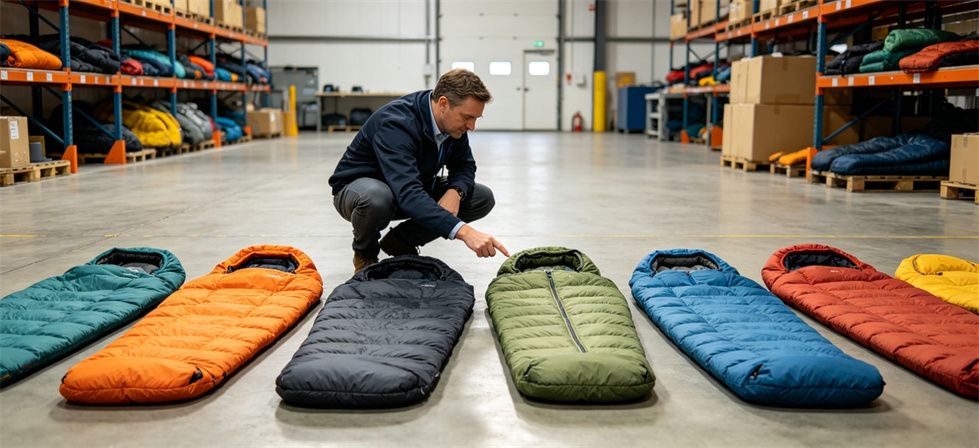
Whether you are sourcing from China suppliers for emergency shelters, refugee camps, schools, or outdoor programs, these steps apply to any bulk sleeping bag order. The same method works for envelope bags, mummy bags, and double bags — only the details change.
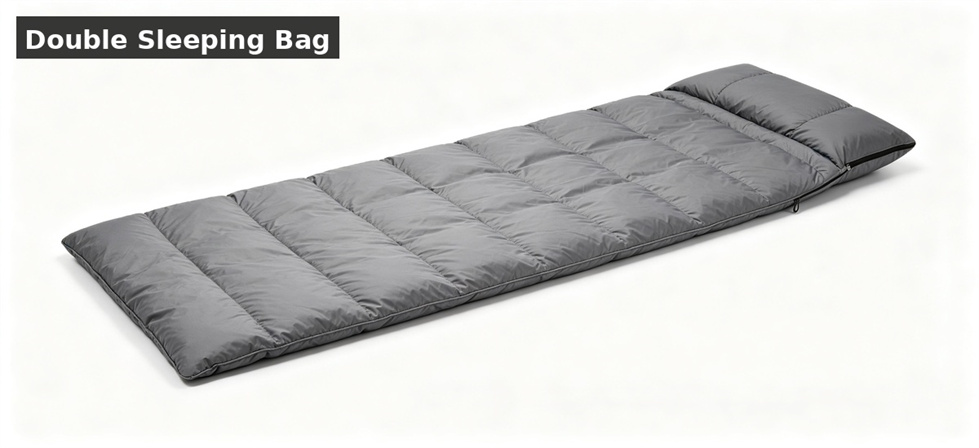
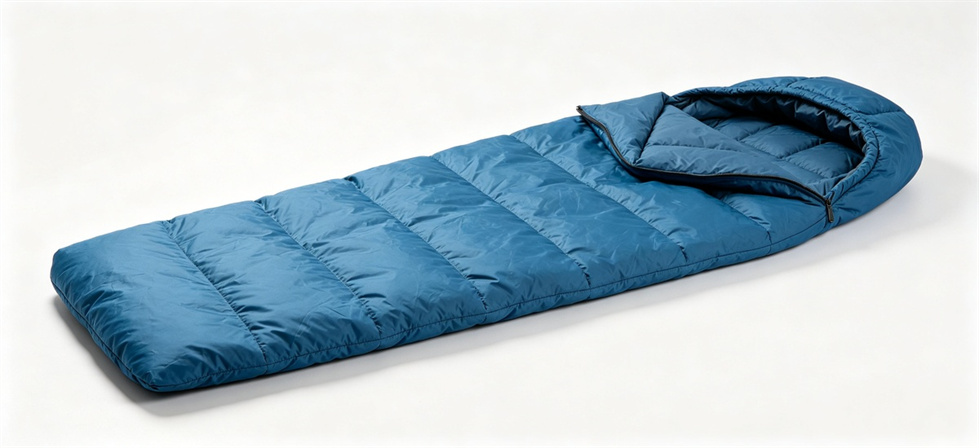
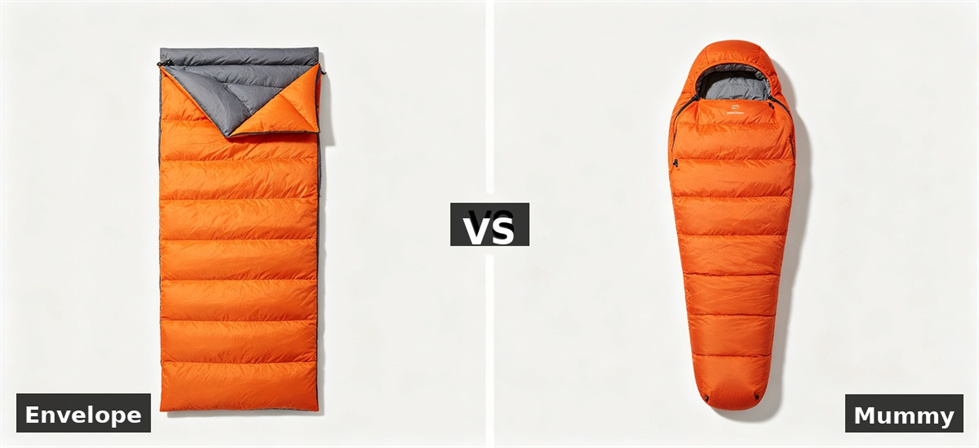
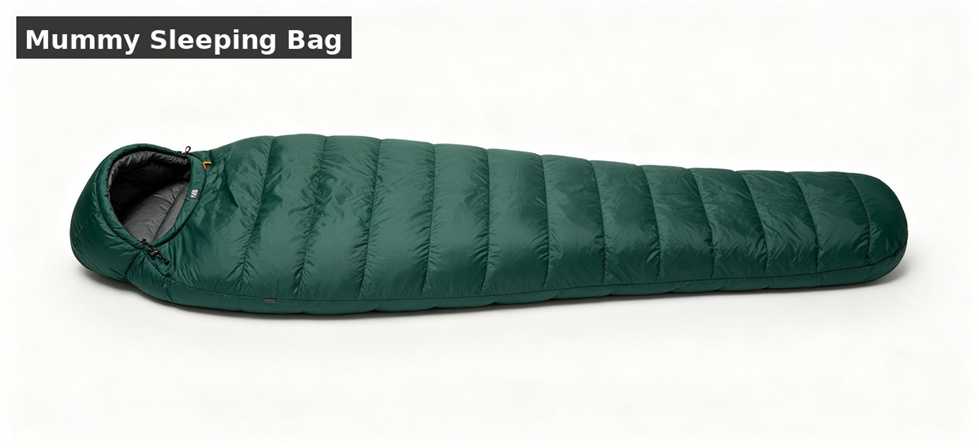
Before comparing samples, know which type you are evaluating. The three most common bulk sleeping bag shapes serve different needs:
|
Type |
Shape |
Best for |
Key feature |
|
Envelope (rectangular) |
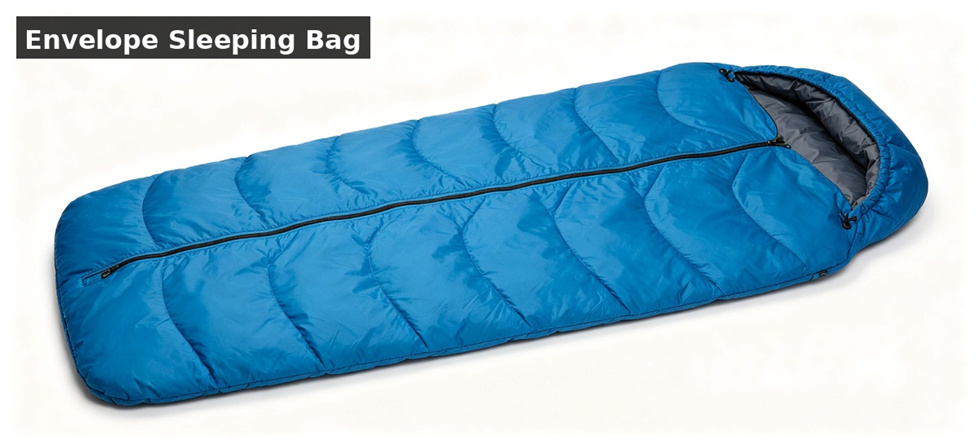
Straight sides, opens flat like a blanket |
Mild climates, emergency shelters, multi-use as blanket |
Can be zipped together with another bag; easy to repack |
|
Mummy (tapered) |
Narrows at feet, built-in hood |
Cold weather, heat retention |
Less surface area means less heat loss; hood traps warmth around head |
|
Double / wide |
Extra width, sometimes two zippers |
Families, couples, larger users |
More room but heavier and bulkier to pack |
The two most common filling materials in bulk orders are hollow polyester fibre (springy, durable, good value) and silk-like cotton (softer feel, better for indoor or mild use). Each has a different weight-to-warmth ratio, so always confirm the filling material and g/㎡ before comparing samples.
A sample comparison is meaningless if the two samples are different products. Before measuring or testing anything, write down the exact spec you are comparing:
If Supplier A sends a 200×80 cm mummy bag and Supplier B sends a 180×75 cm envelope bag, you are not comparing the same product. Put each specification on its own comparison line. Compare each one separately rather than ranking them against each other.
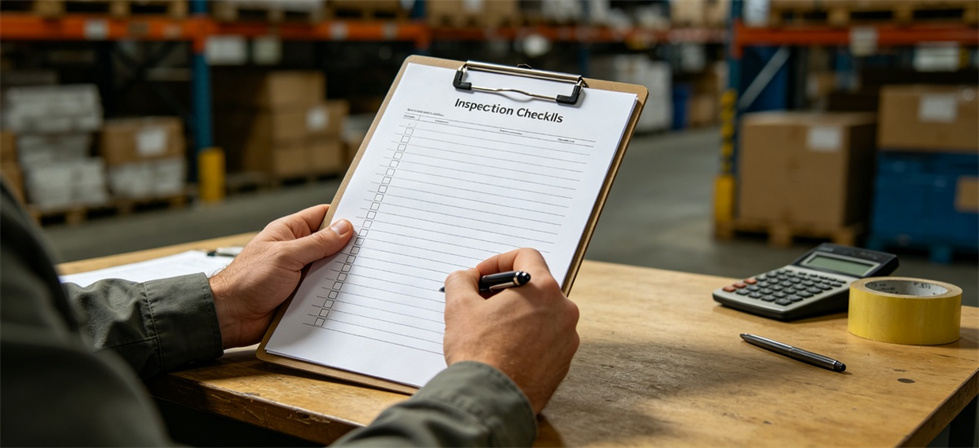
Use this checklist for every sleeping bag sample. Go in order — the early checks catch spec mismatches before you waste time testing a bag that is not what you ordered.
|
Step |
What to check |
What to record |
|
1. Identity |
Does the sample match the quoted size, shape, colour, and filling? |
Any mismatch from the quotation |
|
2. Dimensions |
Measure length and width laid flat, same zipper position for every sample |
Actual cm vs quoted cm |
|
3. Weight |
Weigh the bag without storage sack; weigh the sack separately |
Net weight in g, sack weight in g |
|
4. Shell and lining |
Check fabric feel, seam quality, no loose threads or fabric defects |
Fabric condition, seam issues |
|
5. Filling distribution |
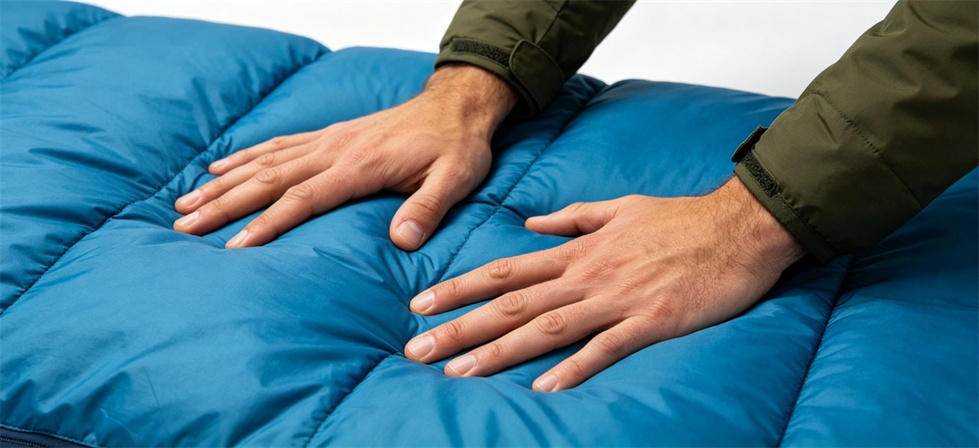
Press and feel the bag — no empty channels, no clumping, even loft |
Cold spots, uneven filling |
|
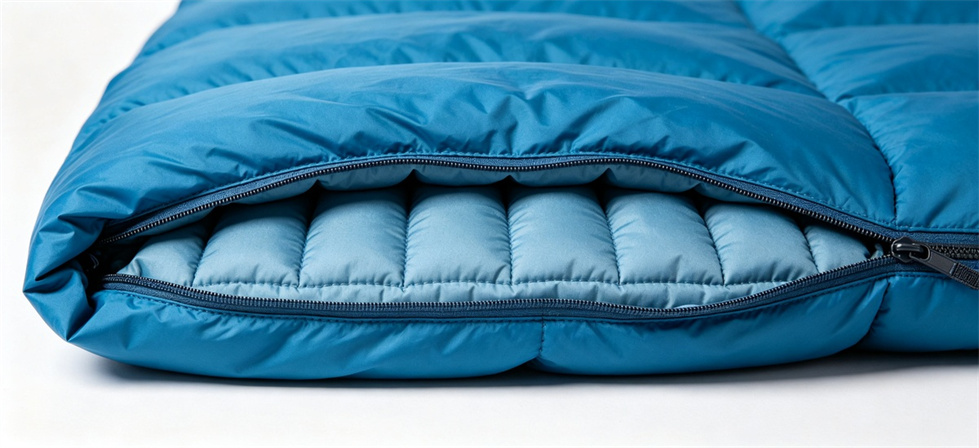
6. Zipper and closures |
Open and close 5 times — no snagging, no fabric caught, zipper stays aligned |
Snags, stiffness, misalignment |
|
7. Hood and openings |
Check hood fit, collar closure, drawcords work, envelope opens flat as blanket |
Fit issues, broken cords |
|
8. Packing |
Repack into storage sack — fits without excessive force, sack closes properly |
Packing difficulty, sack fit |
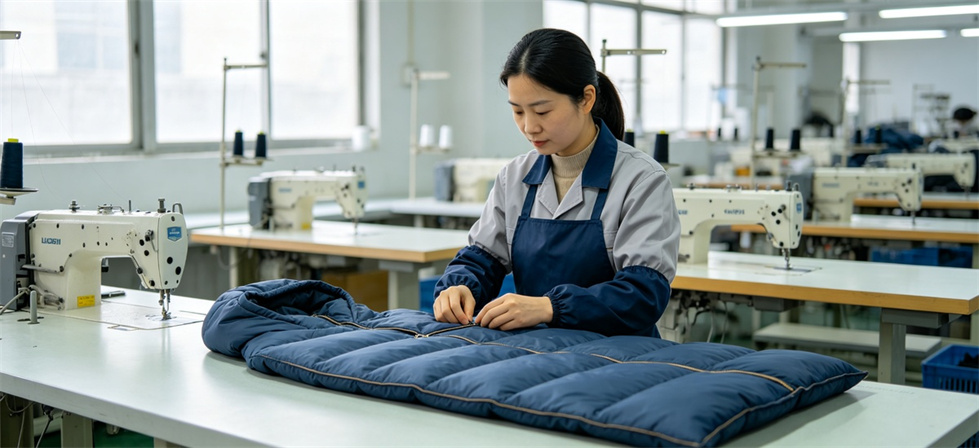
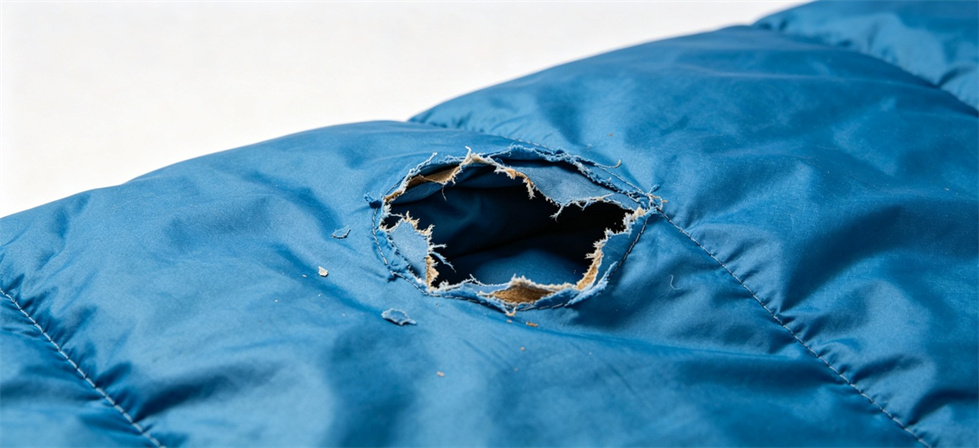
Record the result for each step. A sample that passes steps 1–5 but fails step 6 (zipper) is not a minor issue — zipper failure is one of the most common complaints in bulk sleeping bag orders.
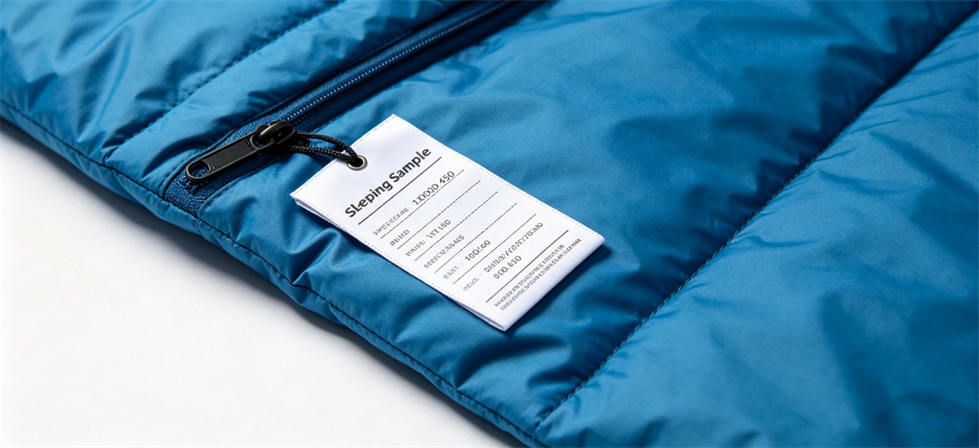
Sample comparison record — print and fill in for each supplier:
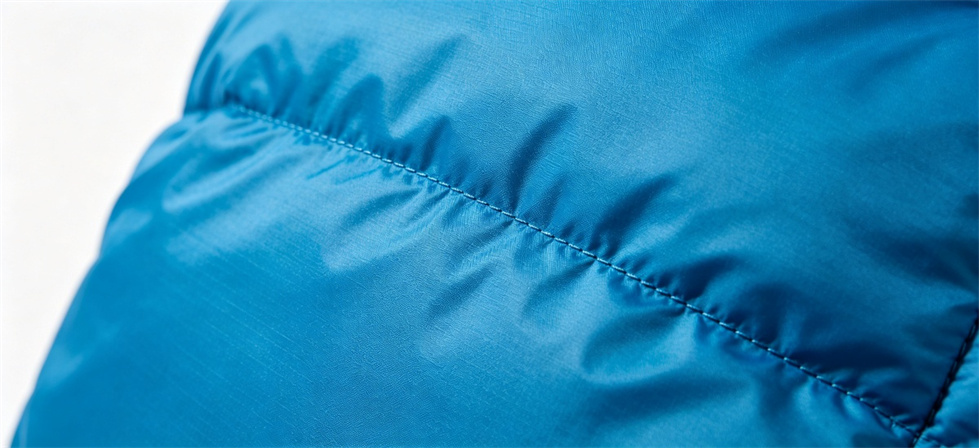
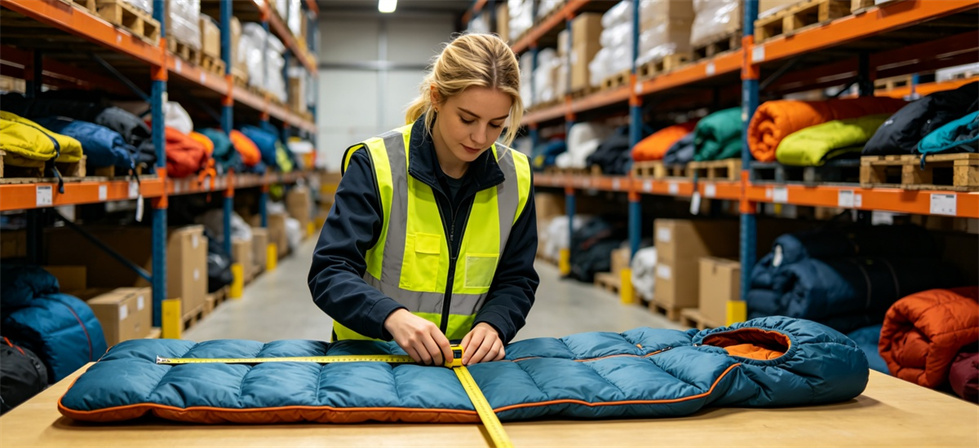
Measurement errors are the most common reason samples and bulk goods appear different. Use the same method every time.
For dimensions:
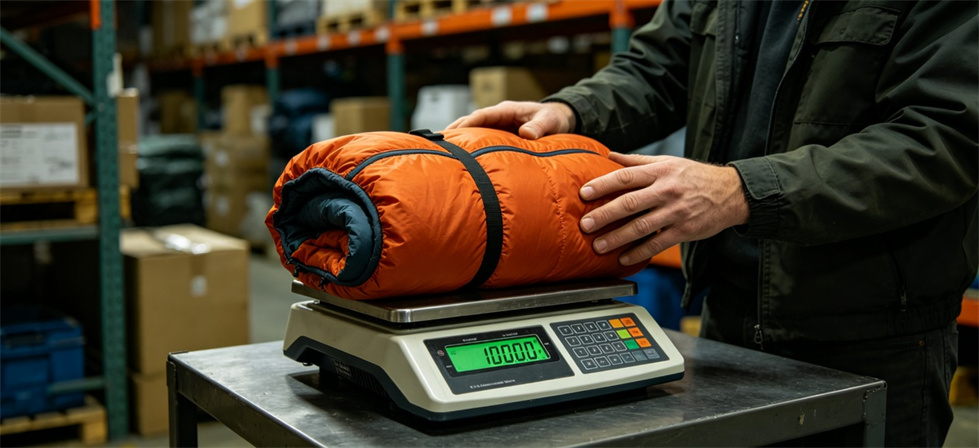
For weight:
A 5% difference between quoted and actual weight is within normal industry tolerance. More than 5% means the filling amount or fabric has changed — ask the supplier to explain before ordering.
Sample shipping note: Most suppliers vacuum-pack samples to save courier cost. When the sample arrives, take it out of the vacuum bag immediately and let it rest for 24 hours in a warm room before measuring or weighing. Compressed filling needs time to recover loft — a sample measured right out of vacuum packaging will read thinner and lighter than it actually is. Also check for creases that do not smooth out after resting, which may indicate permanent compression damage.
These are the checks that separate a thorough sample review from a superficial one. They are also the points most likely to cause complaints after bulk delivery.
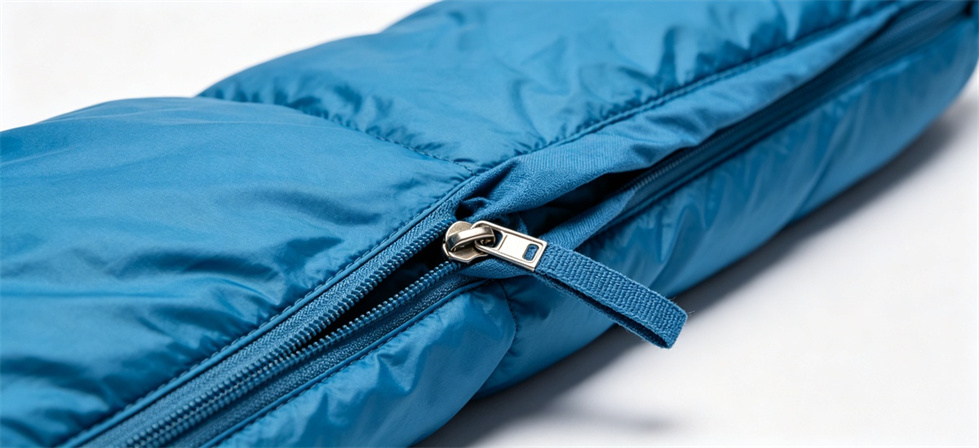
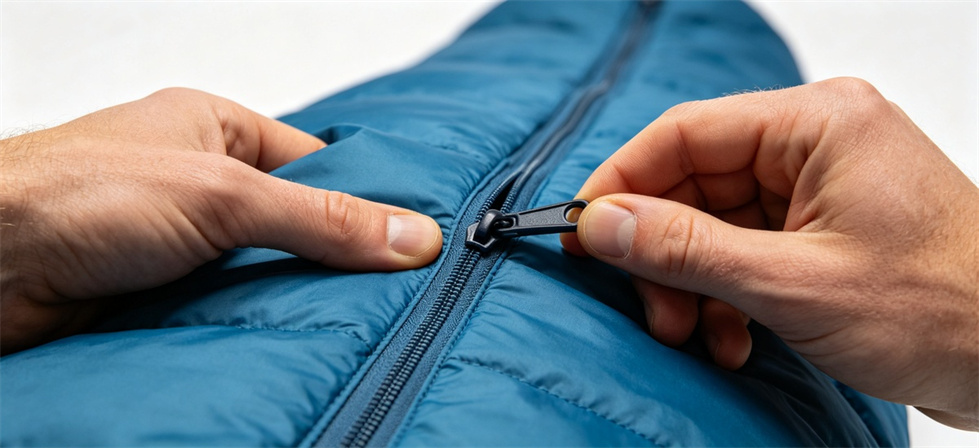
Open and close the zipper at least 5 times using normal force — the same pressure an adult user would apply, not extra force to make it work. Check for: fabric getting caught in the slider, zipper teeth misaligning, the zipper separating at the bottom, and the zipper pull feeling loose. A zipper that works once but sticks on the third use will fail in the field. Also check that there is a draft tube (a padded strip behind the zipper) — without it, cold air comes through the zipper line.
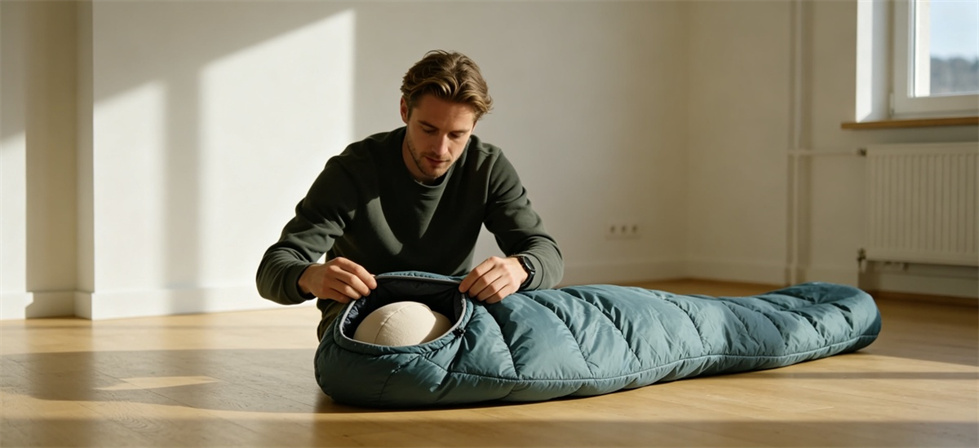
For mummy bags, put the bag on a person (or use a pillow to simulate a head) and check: the hood wraps around the head without gaping, the drawcord tightens and holds, the collar closes at the neck without choking. A hood that is too large lets cold air in; one that is too small is uncomfortable for larger users.
If the bag is envelope style, unzip it completely and lay it flat. It should lie flat as a blanket without curling at the edges. Check that the zipper does not create a stiff ridge down the middle. After laying flat, refold it into sleeping-bag shape — it should return cleanly without creases that never smooth out.
Stuff the bag back into its storage sack using the method the supplier recommends. Time how long it takes and note whether you need excessive force. A bag that takes two people to repack will be unpopular with end users. Also check that the sack closure (drawcord, buckle, or zipper) works properly after the bag is inside.
You cannot verify a temperature rating by touching a sample. But you can check whether the filling is consistent and whether the quoted rating matches the construction.
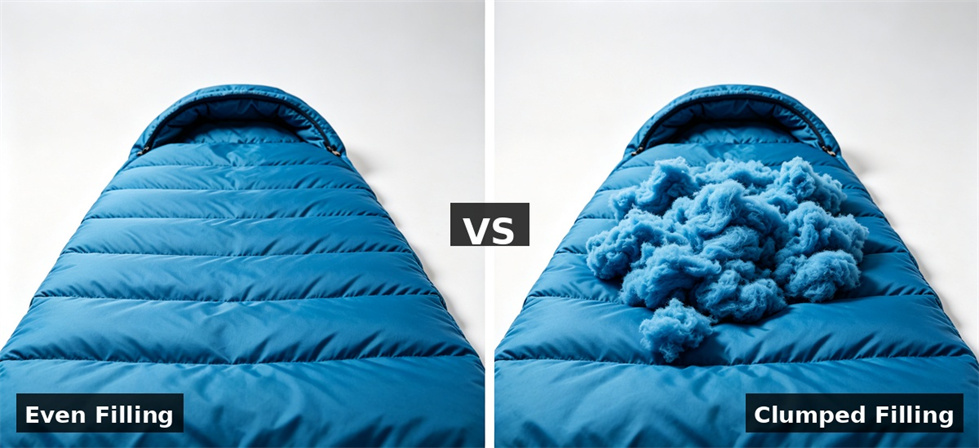
Check filling distribution:
Match the temperature rating to the construction:
Tip: EN 13537 and ISO 23537 list three temperatures — comfort (for a resting woman), limit (for a resting man), and extreme (survival only). Most bulk relief orders use the limit rating as the practical reference. Always confirm which number the supplier is quoting.
|
Filling amount (g/㎡) |
Typical limit rating |
Best for |
Shape usually used |
|
150–250 |
+5°C to +10°C |
Indoor shelters, mild seasons, emergency backup |
Envelope |
|
300–400 |
0°C to +5°C |
Spring/autumn outdoor, cool climate shelters |
Envelope or mummy |
|
400–500 |
-5°C to 0°C |
Cold weather relief, mountain areas |
Mummy with hood |
|
500–600+ |
-10°C to -15°C |
Winter, high altitude, refugee camps in cold regions |
Mummy with draft collar |
These are typical ranges, not guarantees. Actual warmth depends on shell fabric, lining, quilting method, and user clothing. Always confirm the filling g/㎡ and ask for a test report when the rating matters for your project.
Packing issues cause more freight surprises than product defects. Check the complete packing chain, not just the bag itself.
Storage sack:
Inner packing:
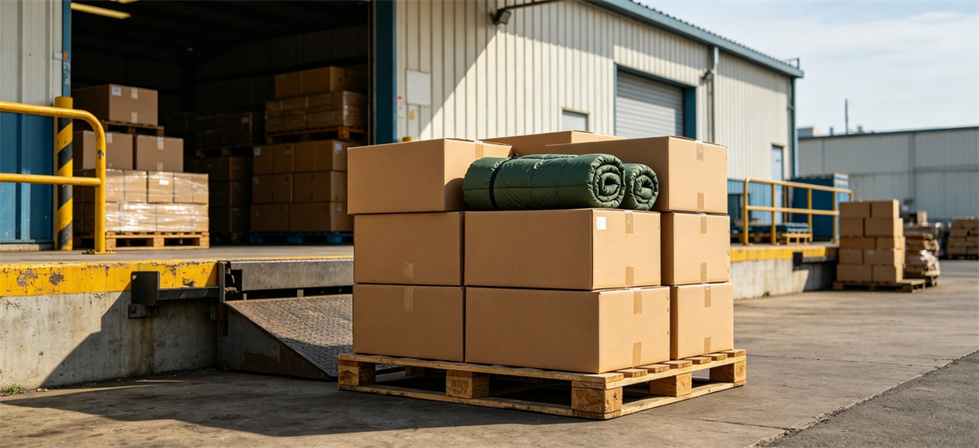
Export carton:
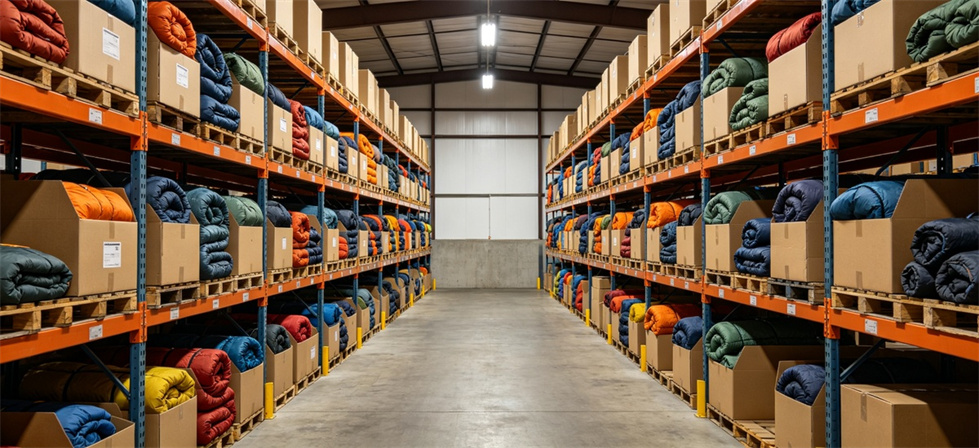
Calculate freight using actual carton data — get pieces per carton and gross weight for the exact specification you are ordering.
When you have samples from two or more suppliers, use a side-by-side table so differences are obvious. Record the same measurements for every sample, using the same tape and scale.
|
Check point |
Supplier A |
Supplier B |
Supplier C |
|
Size (cm) |
|
|
|
|
Net weight (g) |
|
|
|
|
Filling g/㎡ |
|
|
|
|
Shell fabric |
|
|
|
|
Zipper test (5 cycles) |
|
|
|
|
Repack difficulty |
|
|
|
|
Pieces per carton |
|
|
|
|
Carton gross weight |
|
|
|
|
Overall verdict |
|
|
|
If the sample differs from what was quoted, get the explanation in writing rather than accepting it verbally. Follow these steps:
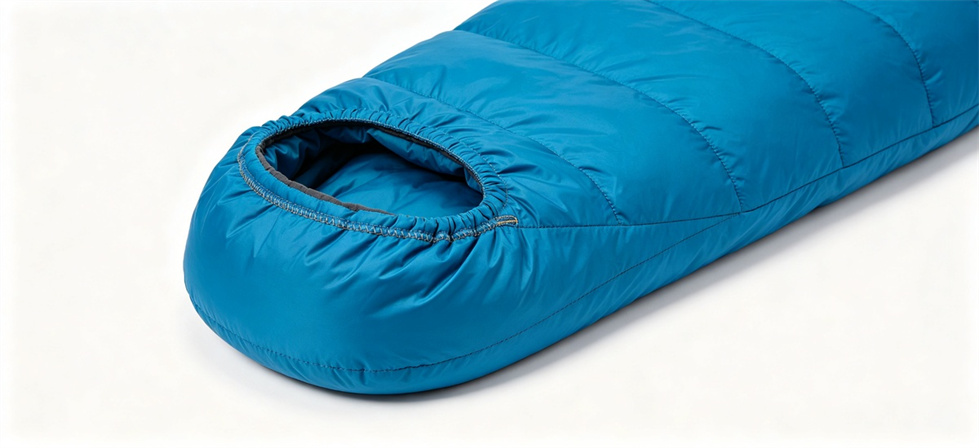
The final quotation, specification, and approved sample must all describe the same product. If they describe three slightly different versions, the bulk order will match none of them.
The approved sample is your reference for production and receiving. Lock it properly so the supplier cannot quietly change the spec.
Before ordering:
During production:
At receiving:
These are the areas most likely to change between the approved unit and bulk production. Check them first at receiving:
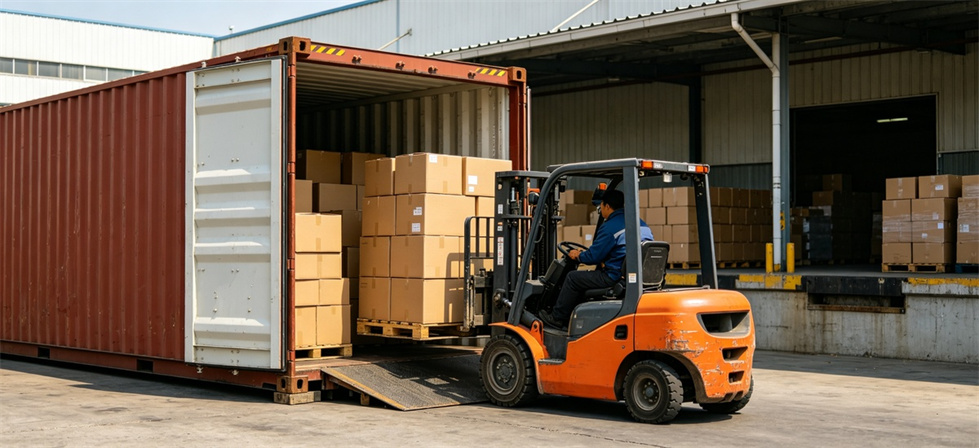
At YRF Textile, we supply emergency sleeping bags in envelope, mummy, and double styles, with filling options from 200 g/㎡ for mild climates to 600 g/㎡ for cold-weather use. Every sample we send comes with a spec tag listing size, filling material, g/㎡, and net weight, so you can compare apples to apples.
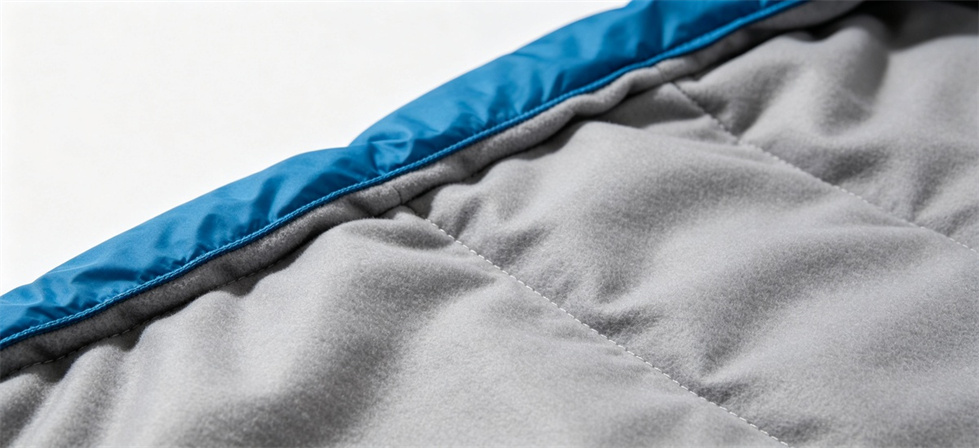
We can provide fabric weight certificates, filling weight records, and production photos on request. For large orders, we welcome third-party inspection before shipment — this catches issues at the factory, before the container leaves China, saving time and freight costs. We also supply matching emergency blankets, foam mattresses, and folding beds for complete shelter kits.
If you are planning a sleeping bag order and want samples that match your exact spec, view our sleeping bag range or contact us directly.
A good sleeping bag sample comparison is not about finding the cheapest option — it is about making sure the bag you approve is the bag you receive. Lock the specification first, run the 8-point checklist, measure carefully, and check the details most buyers skip (zipper, hood, flat-open, repacking). Then lock the approved sleeping bag with photos and a signed tag.
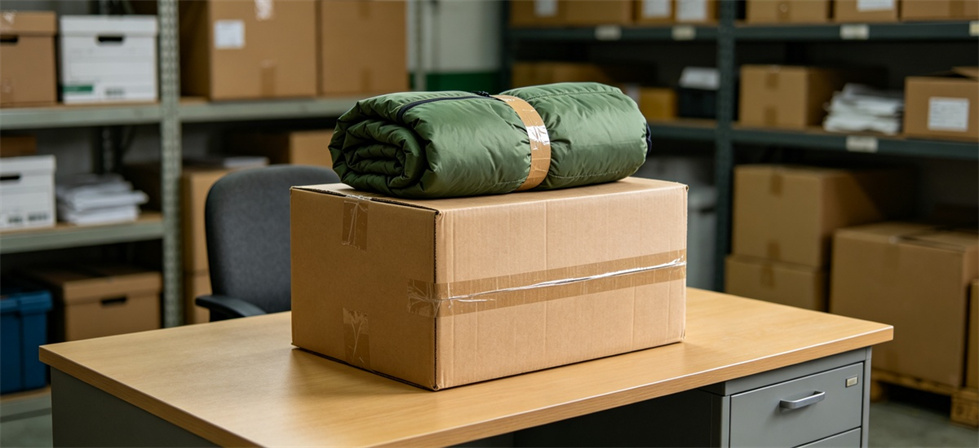
Take the time to compare sleeping bag samples properly, and you will avoid the much bigger cost of discovering defects after thousands of units have shipped. For buyers sourcing from China, a thorough sample check is the cheapest insurance you can buy.
Can one sample represent all sleeping bag sizes?
No. A sample can only represent the exact size and spec it was made for. A 200×80 cm mummy sample does not tell you anything about a 210×150 cm double bag. If you are ordering multiple sizes, request a sample for each spec that is materially different in size, filling, or closure.
No. Fill weight is the insulation material only. Finished net weight includes the shell, lining, zipper, hood, and all components. A bag can have the same fill weight but different finished weight if it uses heavier fabric or more hardware. Always ask for both numbers separately.
Can I judge the temperature rating by how thick the sample feels?
No. Thickness and hand feel can show obvious filling distribution problems, but they cannot prove a temperature rating. A bag that feels thick may use low-density filling that compresses easily. Always ask for the filling amount in g/㎡ and the rating basis, not just the feel.
What should I do if the sample weight is 10% lighter than quoted?
Ask the supplier to explain. A 10% difference usually means the filling amount was reduced or a lighter fabric was used. This may affect the temperature rating and durability. Request a corrected sample or a written confirmation that the bulk will meet the quoted weight, with a tolerance of no more than 5%.
At least 5 full open-and-close cycles using normal force. A zipper that works once but sticks on the third use will fail in real use. Also check that fabric does not get caught in the slider and that the zipper stays aligned at the bottom.
Do I need to check the export carton on a sample order?
Yes, if freight and storage are part of your decision. Ask the supplier to send a packed carton photo with dimensions, pieces per carton, and gross weight. Do not calculate freight from an estimated carton size — get the actual packing data for your spec.
How many samples should I request for a bulk order?
Start with one base specification sample. Add samples only for specifications that change a buying decision — different size, filling level, shape, or packing method. Requesting samples for every colour option is unnecessary when colour does not change the construction. Two to four samples is normal for a multi-specification order.
Can product photos replace a physical sample?
No, for decisions involving dimensions, weight, filling distribution, zipper operation, or packing. Photos are useful for initial screening of colour and visible structure, but you need a physical sample before committing to bulk production. Especially for custom specs.
Size, shape, shell material, lining material, filling material, filling amount in g/㎡, finished net weight, colour, zipper type, storage sack type, and the date approved. This tag is your reference for production and receiving — if the bulk does not match the tag, you have a basis for rejection.
How do I check the delivered goods against the sample?
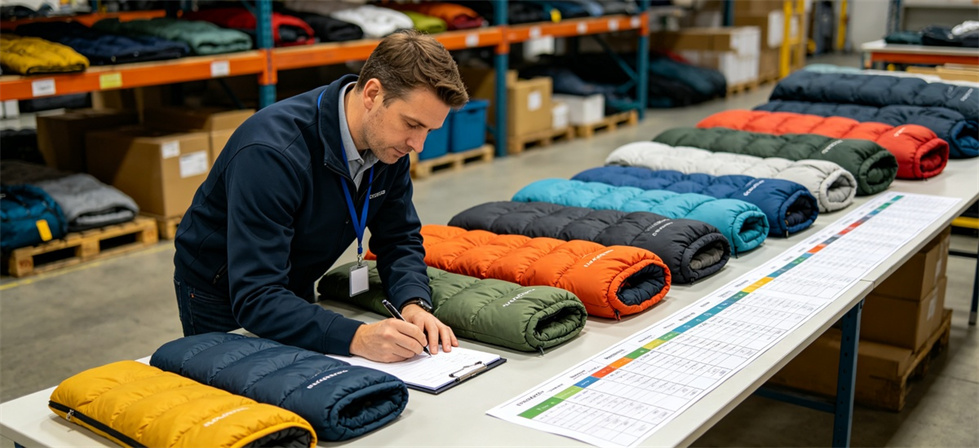
Use the same 8-point checklist on a random sample of the delivery (2–5% of the order, minimum 10 pieces). Measure dimensions, weigh net weight, test the zipper, check filling distribution, and repack one unit. Compare against the approved sample, not just the quotation. If results fall outside the agreed tolerance, hold the batch and ask the supplier for a resolution.
Industry standard is ±5% on finished net weight. A 300 g quoted weight can range 285–315 g. More than 5% usually indicates a material or filling change. Dimensions should be within ±2 cm of the quoted size.
Should I test the envelope bag's flat-open function?
Yes. Many envelope bags are advertised as "opens flat as a blanket" but the zipper creates a stiff ridge or the edges curl. Lay it completely flat, check it lies smooth, then refold it. If it does not lie flat or does not return to shape cleanly, the flat-open feature is not usable.
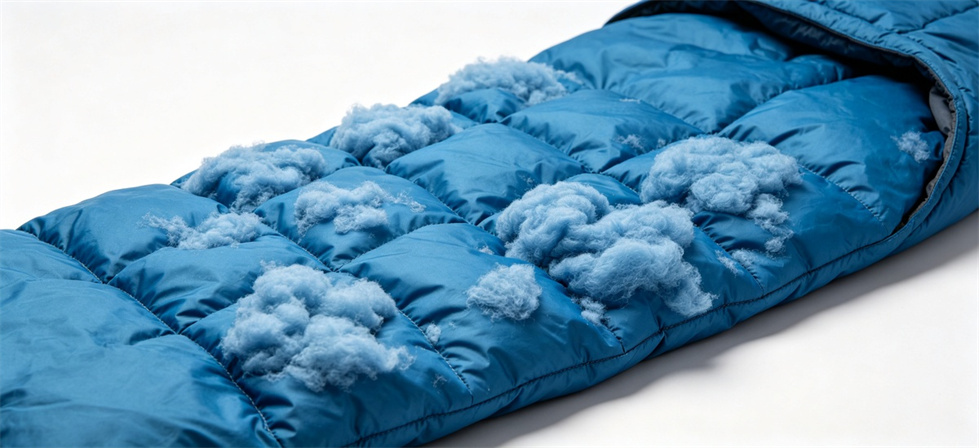
Check three things: even distribution (no empty channels or clumping), recovery (compress the bag firmly and release — it should bounce back to near original loft within a minute), and fibre feel (hollow polyester fibre should feel springy, not flat or clumpy). Silk-like cotton is softer but less resilient — know which one you ordered.
What if the supplier says the sample is "similar" but not exactly the quoted spec?
"Similar" is not acceptable for a bulk order reference. Ask the supplier to list exactly what is different and whether the bulk will match the sample or the original quotation. If the bulk will match the sample, update your written specification to match the sample. If the bulk will match the quotation, request a corrected sample. Resolve any ambiguity before proceeding.
We supply envelope, mummy, and double sleeping bags with filling from 200 to 600 g/㎡. Every sample comes with a spec tag. Contact us to request samples matching your exact requirements.
 |
 |
|
|
|
✅ Factory video link (YouTube): https://x.c1ns.cn/zVNIU
✅ Facebook homepage: https://a.c1ns.cn/SjJla
Sebelumnya :
Sleeping Bag Size, Filling and Weight: A Buyer GuideSeterusnya :
How to Compare Sleeping Bag Temperature RatingsPautan Mesra :
hak cipta © Custom Disaster - Relief Bedding: Tents, Sleeping Bags, Blankets Hak cipta terpelihara
pasukan profesional untuk perkhidmatan !