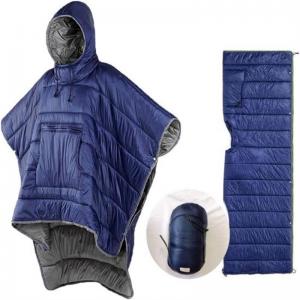
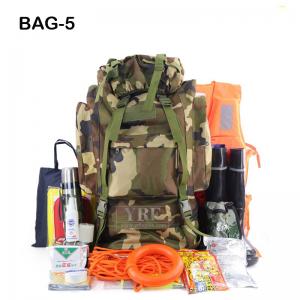
Integrated projects need one coordination layer for product specifications, destinations, material wording scopes, documents, packing and acceptance responsibilities.

Confirm all product-specific values and documents in the active quotation before production.
Separate product, destination, packing, document and material wording responsibilities. Assign an owner and acceptance output to each work package. Product approval, material statement approval, packing allocation and document release may move at different speeds and should not block or release one another silently.
An integrated project can cover several destinations, products and delivery stages. Do not run it as one big blanket order. Break it into work packages by product and destination, each with its own owner, spec, label, documents and receiving record. A change in one package only reopens that package, unless it affects a shared field like the product baseline. We coordinate the packages so one late item does not hold up the whole project.
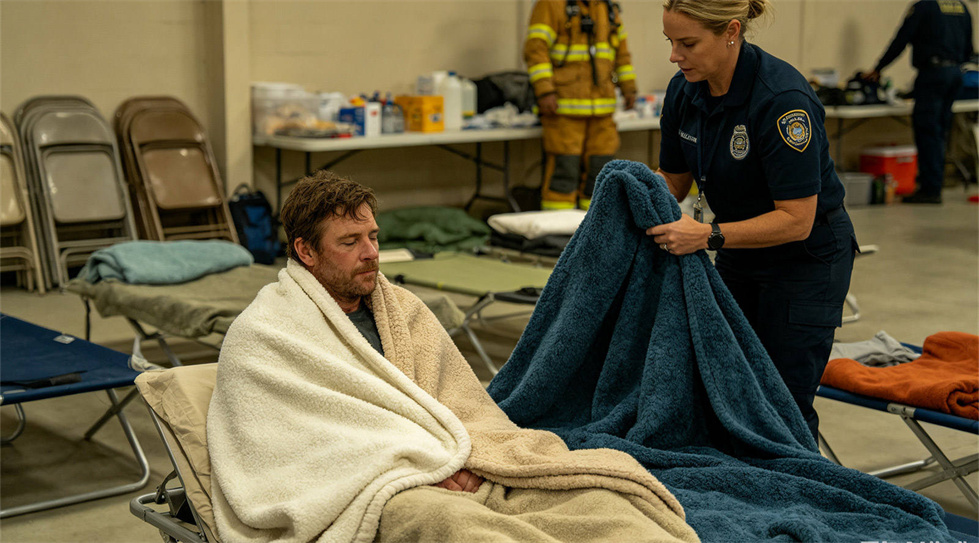
Each work package names: product version, destination, quantity, packing route, label language, document need, receiving owner and approval owner. Shared fields (product baseline, sealed sample) stay common. Local fields (destination label, carton mark, language, contact, delivery phase) stay separate.
Recycled-material wording needs extra care. A support record for one product or batch does not automatically move to another destination. If a destination changes packing, label or product, check whether the material wording still fits that package before production and again before replenishment.

Keep four things straight: work-package owner, shared fields, package-specific fields and staged delivery. At each handover (product approval, artwork approval, packing release, shipment, receiving close-out) the product ID must be visible and someone must own the decision. Send a short RFQ with product list, destination list, quantities, staged delivery plan, material wording needs, packing rules and decision owners.
Before production release, re-check that each package still matches the sealed sample, approved artwork and destination needs. If the route changed, record it in writing before goods are made.
If destination, packing, label wording or material wording changes later, do not reuse the old approval. Re-check the affected package and decide whether a new sample, artwork proof or document is needed.
Record buyer, supplier, logistics and receiving decisions with owners and deadlines. The register should capture decisions rather than meeting notes: exact field, selected option, affected quantity, owner, deadline and release consequence. This keeps several organizations aligned.

Keep customer-specific material wording and supporting record attached to the correct allocation. When a destination changes, review its product, label, supporting record and commercial wording together. A logistical reallocation can become a material wording scope problem if the destination uses different requirements.
Define what must be closed before each release and handover. For staged production, define entry and exit conditions for each batch. Do not print destination-specific wording or release shipment documents until the corresponding decision package is closed.
Retain final specifications, versions, deviations, supporting record and receiving results for future procurement. Project closeout should distinguish the accepted final configuration from rejected or superseded versions. Future buyers can then reuse the process without accidentally copying an obsolete claim or packing plan.
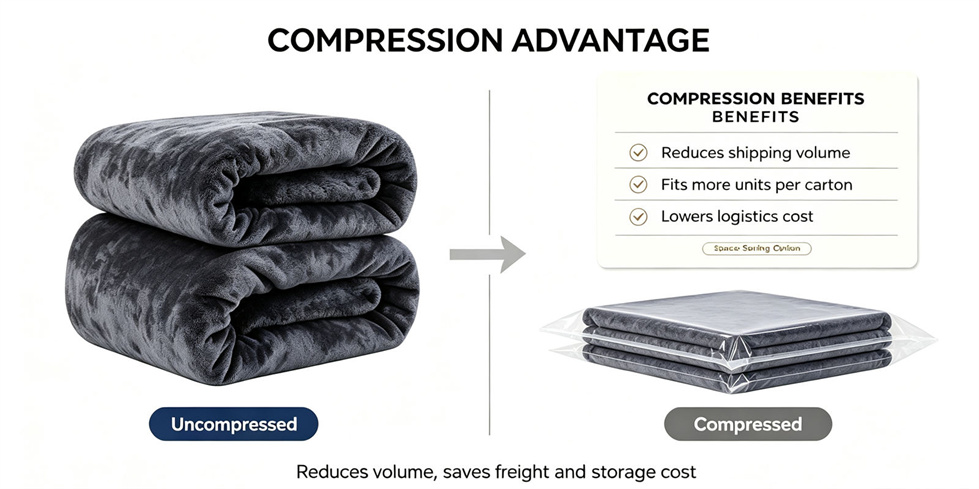
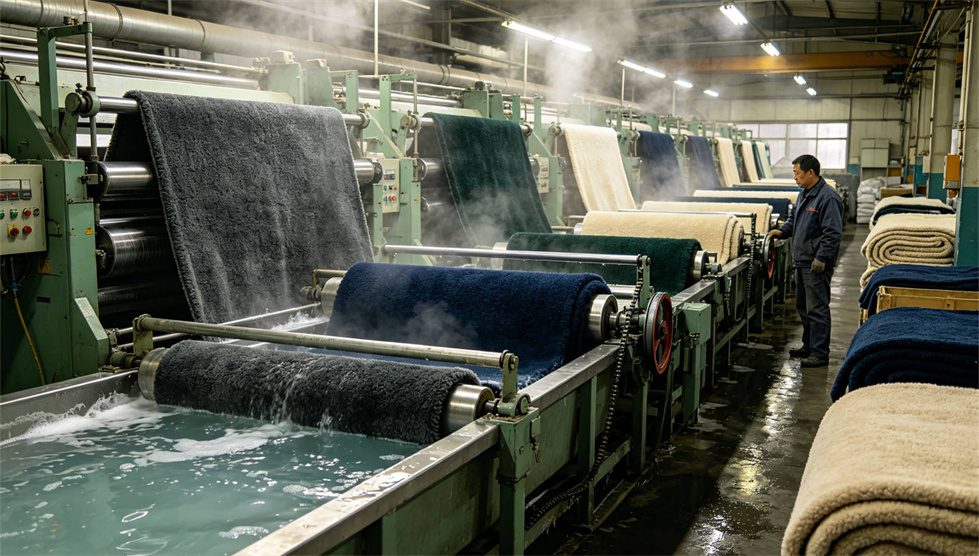

| Item | Regular standard |
|---|---|
| Material | Recycled polyester (rPET), percentage stated per project |
| Weight | 300-400 g/m², tolerance ±5% |
| Size | 150×200 cm, tolerance ±3 cm |
| Stitching | 8-10 stitches per inch, double-needle edge |
| Color fastness | ≥ grade 4 |
| Shrinkage | ≤ 3% after wash |
| Pilling | ≥ grade 3 |
| Label | Waterproof ink, sewn in, language per destination |
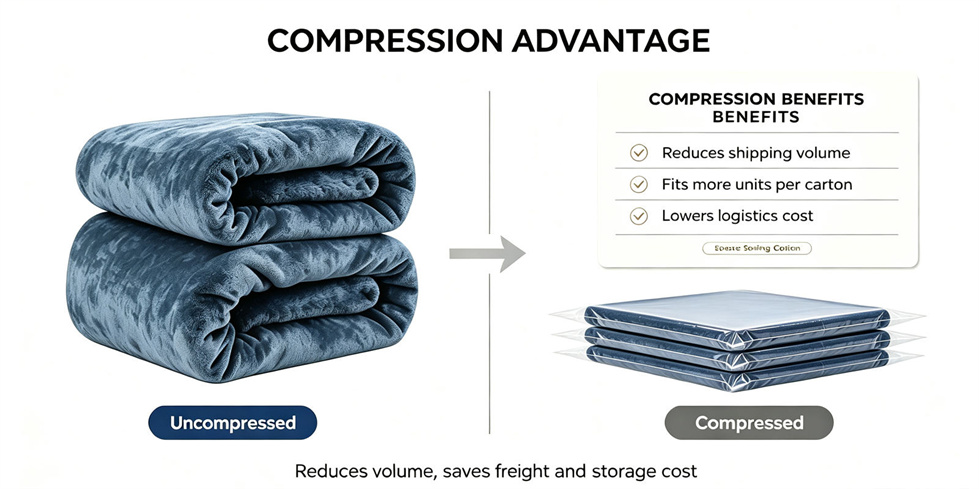
| Carton | 5-layer corrugated, 20 or 30 pcs per carton, destination marks |
| Recycled claim | Test report or TC available per project, at buyer cost |
These are our regular standards. Higher specs (fire retardant, anti-static, specific recycled percentage) can be made per project requirements, with corresponding third-party test reports at buyer cost.


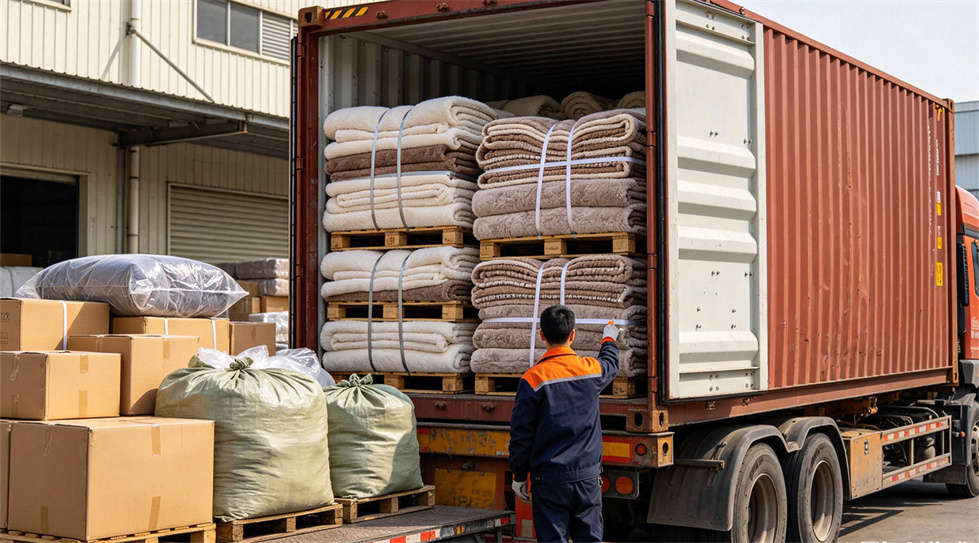
Every batch goes through AQL 2.5 sampling before shipment. For integrated projects we also check package-level consistency:
If any batch fails, we replace defective pieces free of charge before shipment. You can also appoint SGS, BV or Intertek for independent inspection at buyer cost.
Integrated relief projects usually need more than blankets. We can coordinate and consolidate:
Send us the full product list by destination. We build one shipment plan, split packing by destination, and release each package when ready.

Define the buyer role, destinations, quantities, staged delivery plan and decision owners. Then confirm product spec, artwork, packing, label, document and receiving fields separately per work package.
Start from the matched product detail page and confirm the current specification, sample identity and quotation. Do not transfer composition, size, performance or documents from another blanket product line.
Record sample identity, specification version, visible configuration, measurement method, label position, proposed packing and approval owner. A sample supports only the fields actually reviewed.
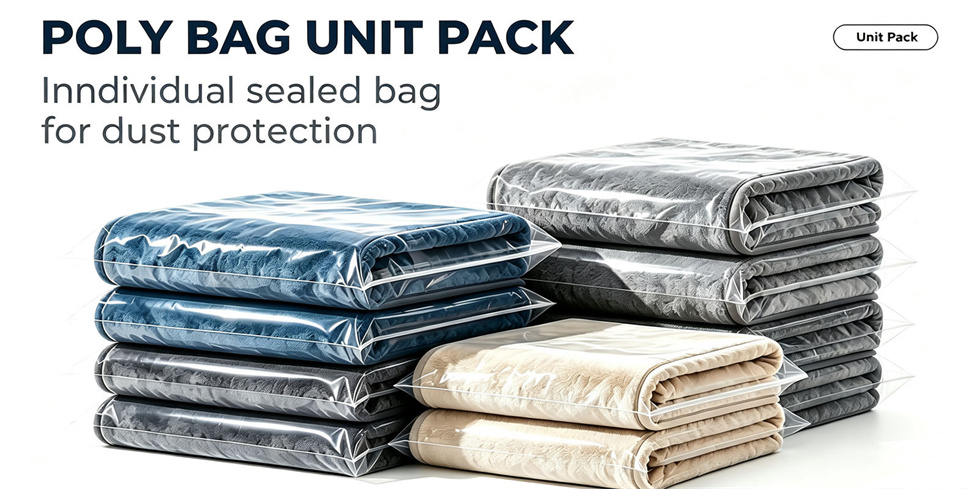
Packing affects counting, destination splits, staged delivery, storage and receiving. Confirm unit or bulk format, carton quantity, label visibility, destination code and packing-list fields before carton or freight estimates.
Name the exact specification, material, care label, packing or material wording support needed per destination. The supplier should only confirm records applicable to the current product, order scope and delivery batch.
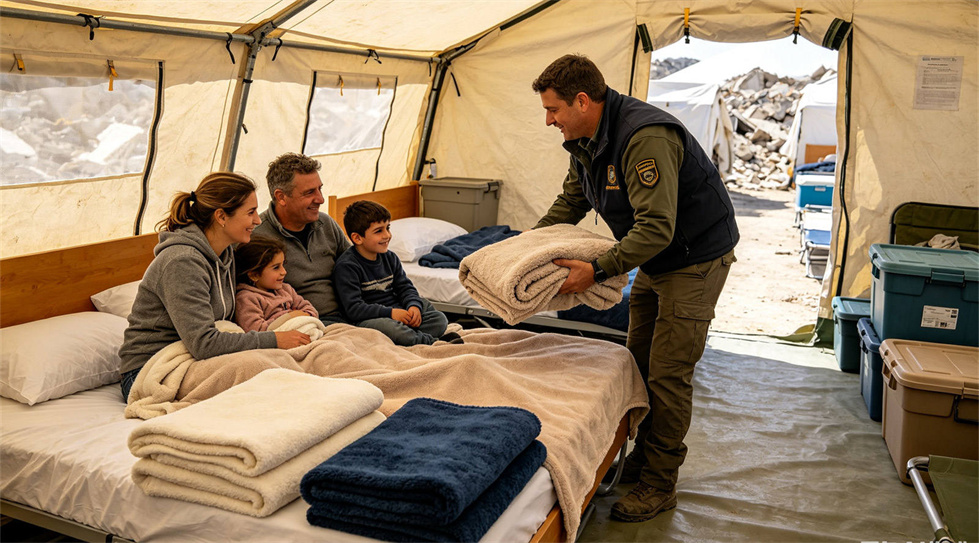
How should receiving exceptions be handled for integrated recycled-material blanket projects?
Record the affected quantity, product or batch identity, photographs or measurements and packing condition, per work package. Use predefined authority to isolate, accept, rework, replace or reject goods.
Review the affected package when product, material wording, colour, construction, labels, packing, document scope, destination or responsible party changes. Shared fields may reopen all packages; local fields reopen only one.
"Same as last order" cannot be used as the formal specification basis. Compare the new offer with retained specs, sample records, labels, artwork versions, packing, documents and prior receiving results per package.

How do you split a large project into work packages?
By product and destination. Each package has its own quantity, spec, label language, documents, packing and receiving owner. Shared fields like product baseline stay common; local fields stay separate.
Yes, if the change only touches local fields (label language, carton mark, delivery date). If it changes a shared field like product spec or material wording, all affected packages reopen. We tell you which packages are affected before production.
Each stage has entry and exit conditions. We produce and inspect per batch, then release packages that are ready without waiting for the whole project. Each stage has its own batch records and documents.
One decision register names who approves each field (spec, wording, artwork, packing, receiving), with a deadline. Changes go in writing and name which packages they affect. No approval by group chat.
Yes. Send us the full product list by destination. We build one shipment plan, align delivery windows, and split packing by destination so mixed products do not mix destinations.
We can provide recycled-content test reports or Transaction Certificates per project requirements, at buyer cost. The document must match the exact product, batch and destination. We do not claim certification we do not hold.
Prepare the RFQ
Share quantities by destination, required specifications, packing, labels, documents, acceptance method and target delivery window.
Continue with the blanket overview, matched product detail, and related procurement article.
Send project requirements for a matched blanket quotation.
Review the blanket product range and prepare a shortlist for
your procurement project.


| Project field | Buyer confirmation | Supplier response |
|---|---|---|
| Quantity and allocation | Destination, lot, packing and replenishment unit | Split quantities, packing method and handover list |
| Receiving and exceptions | Receiving owner, lot identity and discrepancy process | Sample baseline, lot record and close-out method |
YRF | 20 Years Emergency Relief Manufacturer
Pautan Mesra :
hak cipta © Custom Disaster - Relief Bedding: Tents, Sleeping Bags, Blankets Hak cipta terpelihara
pasukan profesional untuk perkhidmatan !