Kategori
If you have ever stared at a bedding label wondering what does thread count mean — what "200 TC" or "300 TC" actually means — and whether you should pay more for a higher number — you are not alone. This institutional bedding thread count plain-English guide includes a bedding thread count chart and thread count procurement guide to help you choose the best thread count for sheets in your facility. It cuts through the marketing hype and tells you exactly what matters: which count works for emergency shelters, which for hospitals, and which ones are simply a waste of money.
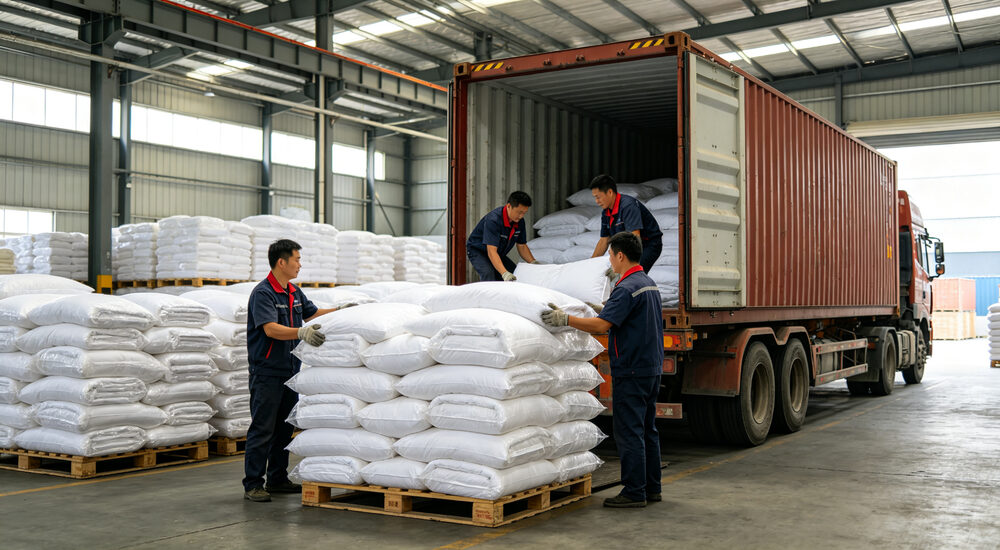
Here is the big secret most salespeople will not tell you: higher thread count does not always mean better bedding. In fact, for shelters, hospitals, and dorms, a higher number often means you will be replacing sheets more often, not less. Think of it like phone cameras — more megapixels do not automatically take better photos. The right balance matters more than the biggest number.
Most people assume higher thread count = better quality. That is what the sheets industry wants you to think. But here is the reality: a 400 TC luxury sheet might feel amazing on day one, then fall apart after 4 months of hospital laundry. This is the core of the thread count 180 vs 300 debate: the 300 TC sheet feels better on day one, but the 180 TC sheet is still going strong a year later. For institutional buyers, the goal is not the biggest number — it is the best balance of comfort, durability, and cost per wash.

|
Your Facility |
Recommended TC |
Best Material |
Why |
|
Emergency Shelter / Disaster Relief |
130-180 TC |
Poly-Cotton |
Durable, fast-drying, low cost |
|
Hospital / Healthcare |
180-250 TC |
Cotton or Poly-Cotton |
Bleach-tolerant, patient comfort |
|
University Dormitory |
200-250 TC |
Cotton or Poly-Cotton |
Student comfort + durability |
|
Correctional Facility |
120-180 TC |
Polyester / Heavy Poly-Cotton |
Maximum tear resistance |
|
Nursing Home / Long-Term Care |
180-220 TC |
Soft Cotton / Poly-Cotton |
Skin-friendly, comfortable |
|
Hotel / Hospitality |
250-300 TC |
Cotton Sateen |
Premium guest experience |
Not sure which fits your facility? Get a free recommendation →
Table of Contents
|
1. What Is Thread Count and How Is It Calculated? 2. The Myth: Higher Thread Count Is Always Better 3. 3 Simple Steps to Choose the Right Thread Count 4. Thread Count by Material Type 5. How Thread Count Affects Comfort 6. Thread Count and Commercial Laundry Durability 7. Thread Count vs GSM: Understanding the Difference 8. Recommended Thread Count by Facility Type |
9. Weave Type and Thread Count Interaction 10. Thread Count and Total Cost of Ownership 11. How to Evaluate Samples Properly 12. Procurement Checklist for Thread Count 13. Why Source From Us 14. 3 Costly Thread Count Mistakes to Avoid 15. Conclusion 16. Frequently Asked Questions |
Thread count has been used as a quality metric in the textile industry for over a century. The measurement originated in the luxury cotton markets of Egypt and Italy, where higher thread counts were associated with finer, more expensive fabrics. Today, it remains the most widely recognized specification for sheet quality, despite growing recognition that it is only one piece of the quality puzzle.
In institutional procurement, fabric density specifications are often written into tender documents and purchase contracts. However, many procurement teams inherit TC requirements from previous contracts without reevaluating whether they remain optimal for current facility needs. This guide provides the technical foundation to make informed TC decisions.
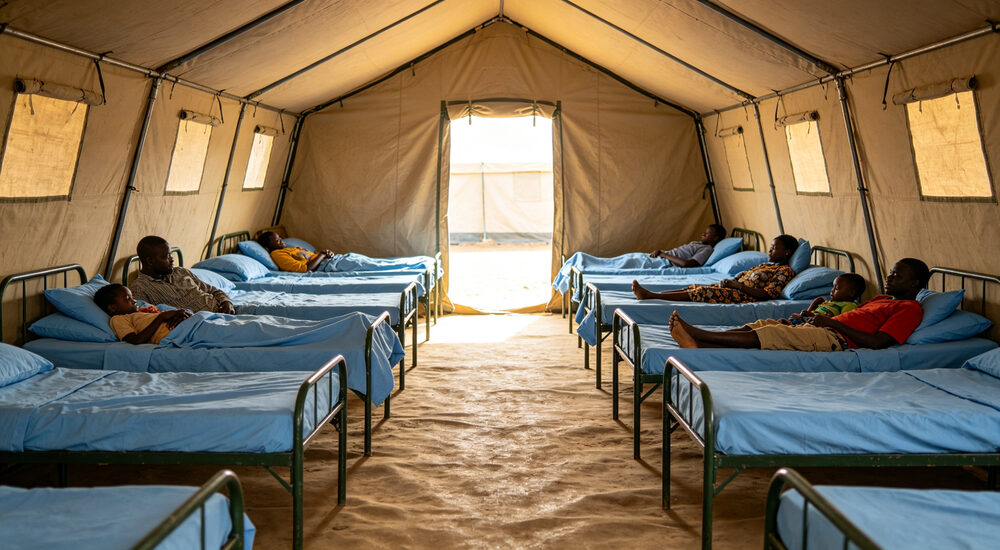
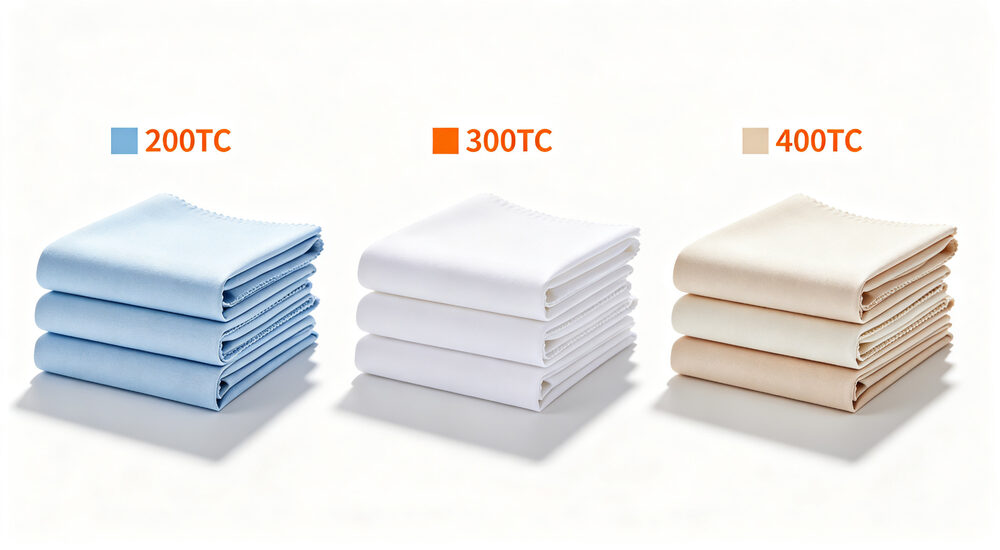
Thread count (TC) is simply a count of how many threads are woven into one square inch of fabric. Imagine a screen door — you have vertical wires and horizontal wires. Add them together, and that is your thread count. 150 vertical + 150 horizontal = 300 TC. This is bed sheet thread count explained in the simplest possible terms. That is really all there is to it.
In institutional bedding, thread count typically ranges from 120 TC to 400 TC. Budget options often start at 120-180 TC, mid-range institutional bedding uses 200-250 TC, and premium healthcare or hospitality products may use 300-400 TC. Counts above 400 are rare in institutional settings due to cost and reduced durability under commercial laundry conditions.
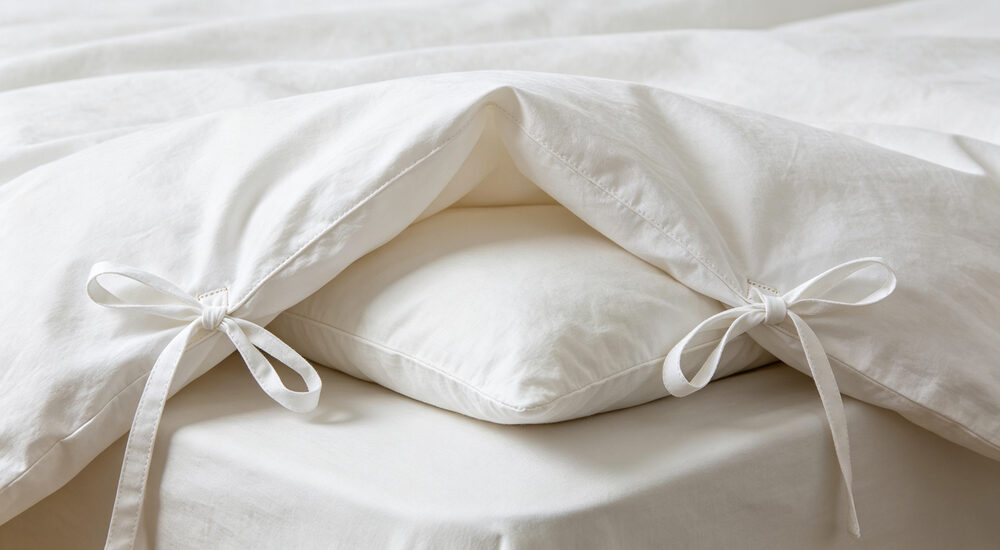
Thread Count = Warp Threads per Square Inch + Weft Threads per Square Inch
Thread count (threads per square inch) is often confused with yarn count (thickness of individual yarns, measured in Ne or tex). A fabric can have high thread count with thick yarns (heavy, durable) or high thread count with fine yarns (light, delicate). Always specify both thread count and yarn count in purchase contracts to ensure you receive the fabric weight and durability you expect.
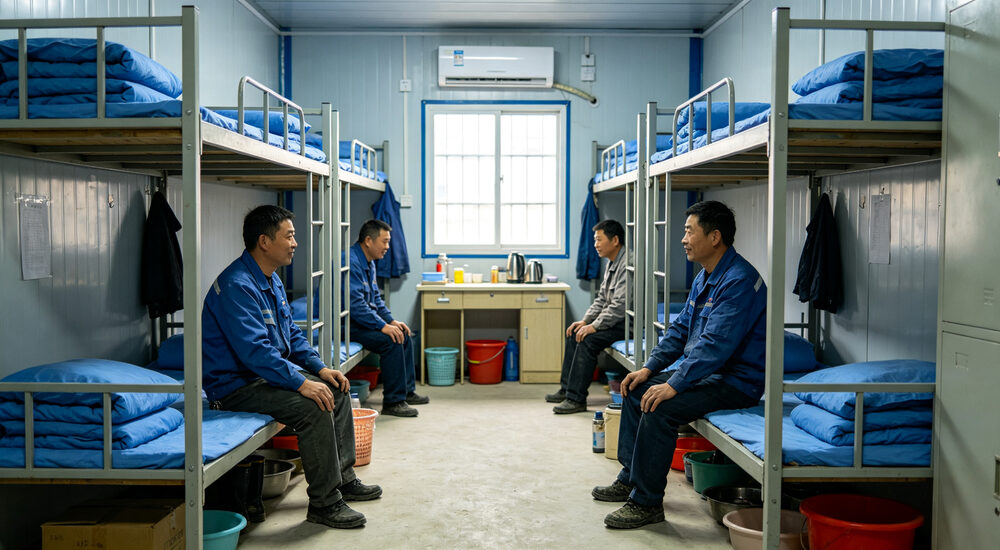
For institutional bedding, typical yarn counts are Ne 20/1 to Ne 40/1 for cotton, and 150D to 300D for polyester. Lower Ne numbers mean thicker yarns (more durable), while higher Ne numbers mean finer yarns (softer but less durable).
The American Society for Testing and Materials (ASTM) publishes standard D3775 for measuring thread count of woven fabrics. This standard specifies using a 1-inch by 1-inch sample area and counting threads under magnification at 10x-20x. At least five samples should be tested from different areas of the fabric to account for manufacturing variation.
International standards include ISO 7211-2 (textiles - woven fabrics - construction) and BS EN 12127 (textiles - determination of mass per unit area). Reputable manufacturers test according to these standards and can provide test reports upon request. Always specify the test standard in your purchase contract to prevent thread count misrepresentation.
Here is where some suppliers get sneaky. They take two thin threads, twist them together like a rope, and then count them as two separate threads — doubling the number on the label. This is called multi-ply. A "300 TC" 2-ply sheet might actually feel the same as a 150 TC regular sheet. Always ask: "Is this single-ply or multi-ply?" If they say multi-ply, divide the number by two to get the real count.

The "higher is better" myth is actively promoted by marketing departments because higher thread count commands higher prices. Some retailers advertise thread counts of 1000, 1200, or even 1500 TC, but these numbers are often achieved through creative counting methods rather than actual fabric quality. In institutional settings, these ultra-high counts are never cost-justified.
Independent testing by consumer advocacy groups has repeatedly found that fabrics with advertised thread counts of 600+ often perform no better than 300-400 TC fabrics in blind comfort tests. The perceived difference is frequently due to chemical finishing agents rather than actual thread density.

One of the most persistent misconceptions in bedding procurement is that higher thread count automatically equals better bedding. In reality, thread count is just one factor among many that determine fabric quality. Beyond a certain point, increasing thread count can actually reduce performance in institutional settings.
Fabrics with extremely high thread counts (400+) use finer, more delicate yarns to pack more threads into each square inch. These fine yarns are more susceptible to damage from chlorine bleach, high-temperature washing, and mechanical agitation in commercial laundry machines. Consequently, a 400 TC sheet may wear out faster than a 200 TC sheet in a high-turnover institutional environment.
A national hospital network upgraded from 200 TC poly-cotton to 300 TC cotton sheets based on patient satisfaction feedback. The upgrade increased linen cost by 45% but reduced average fabric lifespan from 180 washes to 95 washes. Within 18 months, total linen expenditure increased by 72% due to more frequent replacements. The hospital reverted to 220 TC poly-cotton and achieved better patient satisfaction scores due to more consistent fabric quality over the product lifecycle.
This case illustrates why total cost of ownership must drive TC decisions, not initial softness perception or marketing claims.
Unethical manufacturers use several tactics to inflate TC claims:
(1) Multi-ply counting: Using 2-ply or 3-ply yarns and counting each ply separately, doubling or tripling the advertised count.
(2) Pick insertion: Adding extra weft threads without corresponding warp threads, creating an unbalanced weave.
(3) Measuring in metric units: Counting threads per square centimeter and converting to square inch with rounding errors.
(4) Chemical thinning: Treating fabric to compress fibers, allowing more threads to fit in a measured area.
Protect yourself by requiring ASTM D3775 test reports with every shipment and conducting periodic third-party verification. Include thread count tolerance clauses (±5%) in purchase contracts.
For most institutional applications, the optimal TC range is 180-250 TC. This range provides a good balance of softness, durability, and cost-effectiveness. Fabrics in this range can withstand 100-200 commercial washes while maintaining acceptable appearance and feel.
Forget the technical jargon. Follow these 3 steps to pick the perfect thread count for your facility:

Still unsure? Send us your facility details and we will recommend the exact specification for your needs — free of charge.
Understanding poly cotton thread count specifications is essential because blend ratios change the optimal count range. This commercial laundry thread count analysis shows that polyester-rich blends outperform pure cotton at lower counts due to superior fiber strength.
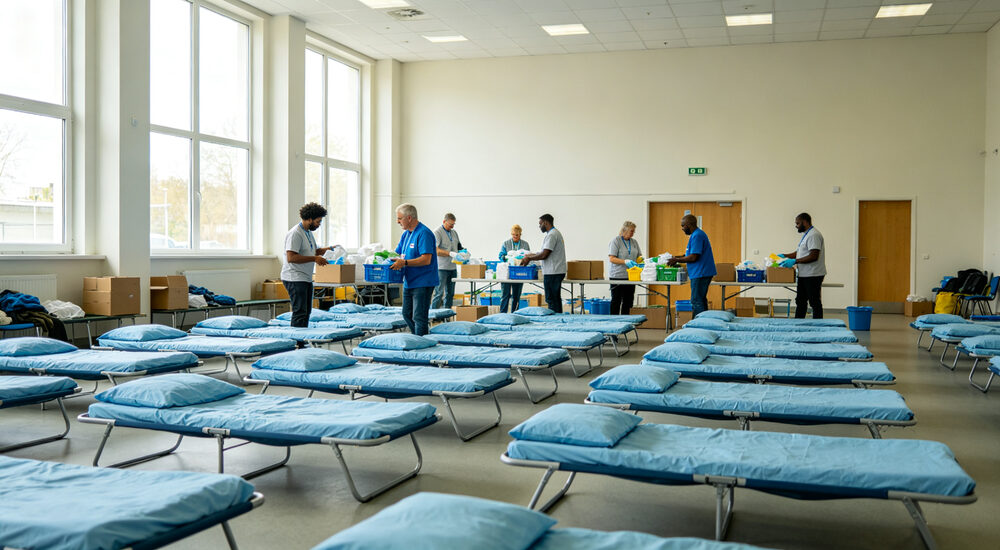
The relationship between thread count and fabric quality varies dramatically by material. Cotton fibers have a natural maximum fineness that limits practical thread counts to approximately 400-500 TC with single-ply yarns. Polyester fibers can be extruded much finer, allowing higher effective thread counts at lower cost, but these ultra-fine polyester fibers may pill or shed with repeated washing.
The interaction between blend ratio and thread count is critical. A 50/50 poly-cotton at 180 TC will outlast an 80/20 poly-cotton at 220 TC in commercial laundry because the higher polyester content provides more fiber strength. Conversely, an 80/20 blend at 200 TC will feel softer than a 50/50 blend at the same thread count because more cotton fibers are exposed at the fabric surface.

Blend ratios also affect optimal thread count. A 50/50 poly-cotton blend achieves its best durability at 130-180 TC, while an 80/20 blend (80% cotton, 20% polyester) can comfortably go to 200-220 TC because the higher cotton content benefits from increased thread density.
Thread count behaves differently depending on the sheet material. Cotton, poly-cotton blends, and polyester each have different optimal TC ranges due to their fiber properties.
Cotton fabrics are available in the widest range of thread counts, from 120 TC budget sheeting to 1000+ TC luxury products. For institutional use, 180-250 TC cotton offers the best value. Higher count cotton (300-400 TC) feels softer initially but deteriorates faster under commercial laundry conditions due to fiber breakdown from bleach and heat.
Poly-cotton blends (typically 50/50 or 80/20) are most commonly found in the 130-200 TC range. The polyester component adds strength and wrinkle resistance, allowing lower thread counts to feel smoother than equivalent pure cotton. A 180 TC poly-cotton sheet may feel comparable to a 250 TC cotton sheet while costing significantly less and lasting longer.

120-150 TC cotton: Lightweight and breathable but prone to tearing and rapid wear. Suitable only for temporary or emergency use where cost is the primary concern. 180-220 TC cotton: The institutional workhorse. Balances comfort, durability, and cost. Withstands 100-150 commercial washes. 250-300 TC cotton: Premium feel but shorter institutional lifespan (70-100 washes). Best for low-turnover premium areas. 400+ TC cotton: Luxury feel but unsuitable for commercial laundry due to rapid fiber degradation.
Polyester and microfiber bedding is often measured by fabric weight (GSM) rather than thread count, as the synthetic fibers can be extruded in various thicknesses. When thread count is quoted for polyester, it typically ranges from 150-300 TC. Microfiber fabrics with ultra-fine denier can achieve very high effective thread counts at low cost.
|
Material |
Optimal TC Range |
Typical Lifespan (washes) |
Best For |
|
100% Cotton |
180-250 TC |
80-150 |
Hospitals, hotels, premium shelters |
|
Poly-Cotton (50/50) |
130-200 TC |
150-250 |
Emergency shelters, dorms, high-turnover |
|
Poly-Cotton (80/20) |
150-220 TC |
120-200 |
Nursing homes, healthcare |
|
100% Polyester |
150-300 TC |
200-300+ |
Correctional facilities, budget shelters |
|
Microfiber |
By GSM (80-120) |
150-250 |
Budget hospitality, temporary shelters |
Thread count breathability is a key consideration for warm climates. Lower counts allow more air circulation — important for thread count for hot sleepers and warm climates — while higher counts trap heat. This section also covers thread count shrinkage patterns and how they differ by material type.
Comfort perception varies by season and climate. In winter, higher thread count fabrics (250-300 TC) provide better insulation and warmth. In summer, lower thread count percale weaves (180-200 TC) feel cooler and more breathable. Facilities in temperate climates may benefit from having seasonal bedding sets with different thread counts, though this increases inventory complexity.

Occupant demographics also matter. Elderly residents in nursing homes often prefer softer, higher thread count fabrics for skin comfort. Younger shelter residents and students are less sensitive to density differences and prioritize other factors like cleanliness and availability.
Thread count directly influences the hand feel (tactile sensation) of bedding fabrics. Higher thread counts generally produce a smoother, softer feel because more threads create a finer, more uniform surface. However, comfort is subjective and depends on multiple factors beyond thread count alone.
Fabrics can be chemically treated with fabric softeners or silicone finishes to feel softer regardless of thread count. These treatments wash out after 5-20 commercial cycles, revealing the fabric's true hand feel. Always request samples and wash them 10-20 times before evaluating long-term comfort.
Lower thread count fabrics (120-180 TC) are more breathable because there is more space between threads for air circulation. This makes them preferable for warm climates or facilities without air conditioning. Higher thread count fabrics (300+ TC) are less breathable and may feel hot in warm environments, despite their softer feel.
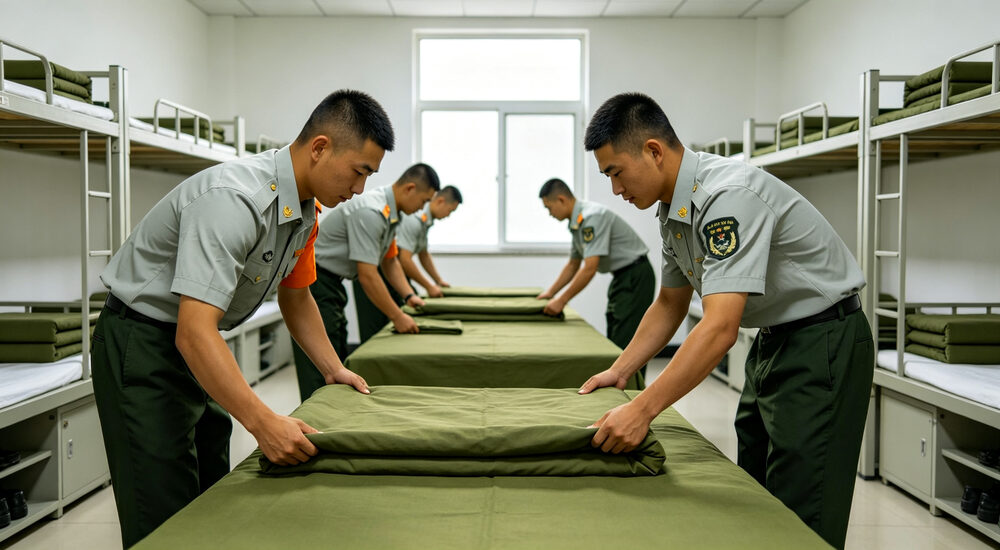
New bedding often feels different from bedding that has been through 50+ commercial washes. Chemical finishes applied during manufacturing create initial softness that washes away. Cotton fabrics actually become softer after the first 10-20 washes as fibers relax, but then gradually become rougher as fibers break and pill. Poly-cotton blends maintain more consistent hand feel throughout their lifespan.
When evaluating samples, always compare fabrics after equivalent wash cycles rather than comparing new samples directly. A 200 TC poly-cotton sample washed 20 times may feel softer than a new 300 TC cotton sample that has not yet been laundered.

For healthcare and elderly care facilities, thread count affects skin health. Very high thread count fabrics (300+ TC) can trap heat and moisture against the skin, increasing the risk of pressure ulcers and skin maceration in immobile patients. Moderate thread counts (180-220 TC) with percale weave provide better air circulation and moisture wicking, reducing skin health risks.
For patients with sensitive skin or conditions like eczema, 100% cotton at 200-220 TC is recommended over polyester blends, as cotton is less likely to cause irritation. Always consult with healthcare staff when specifying bedding for patient care areas.

Higher thread count cotton fabrics tend to wrinkle more because the finer yarns have less structural rigidity. Poly-cotton blends at moderate thread counts (150-200 TC) offer the best wrinkle resistance, reducing ironing needs and improving laundry efficiency.
Thread count durability under commercial laundry conditions is the most important factor for institutional buyers. This section explains why moderate counts outperform high counts and provides a thread count total cost of ownership framework for budgeting.

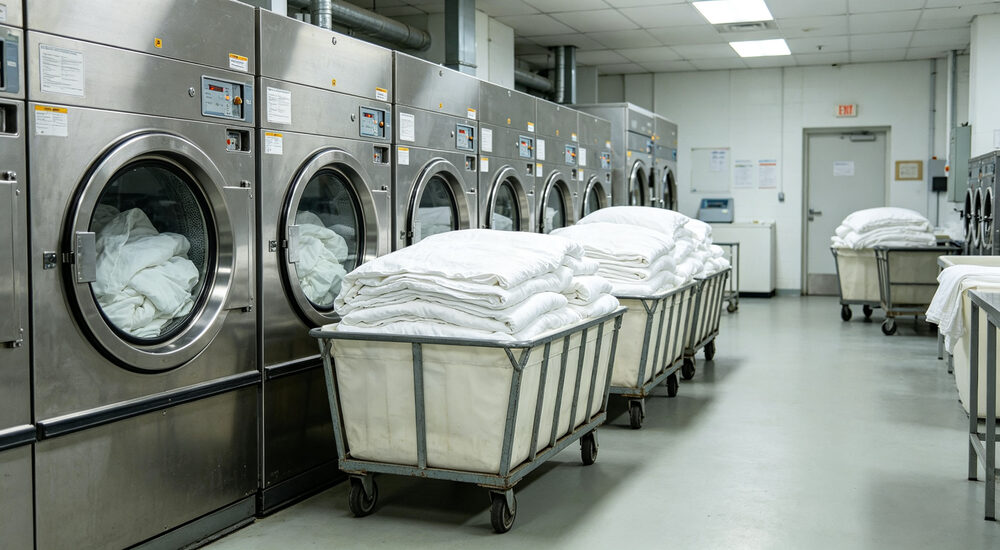
Commercial laundry conditions are far harsher than home washing. Typical institutional wash cycles use water temperatures of 60-80°C (140-176°F), chlorine bleach concentrations of 100-200 ppm, and mechanical agitation from 100+ pound capacity washers. These conditions accelerate fiber degradation, especially in high thread count fabrics with fine yarns.
Testing conducted by institutional laundry associations shows that each 50 TC increase above 200 TC reduces average fabric lifespan by approximately 15-20% under standard commercial wash conditions. This durability penalty is the primary reason high thread count fabrics fail to deliver value in institutional settings.
For institutional buyers, durability under commercial laundry conditions is often more important than initial softness. Thread count plays a significant role in determining how many washes a fabric can withstand before showing signs of wear.
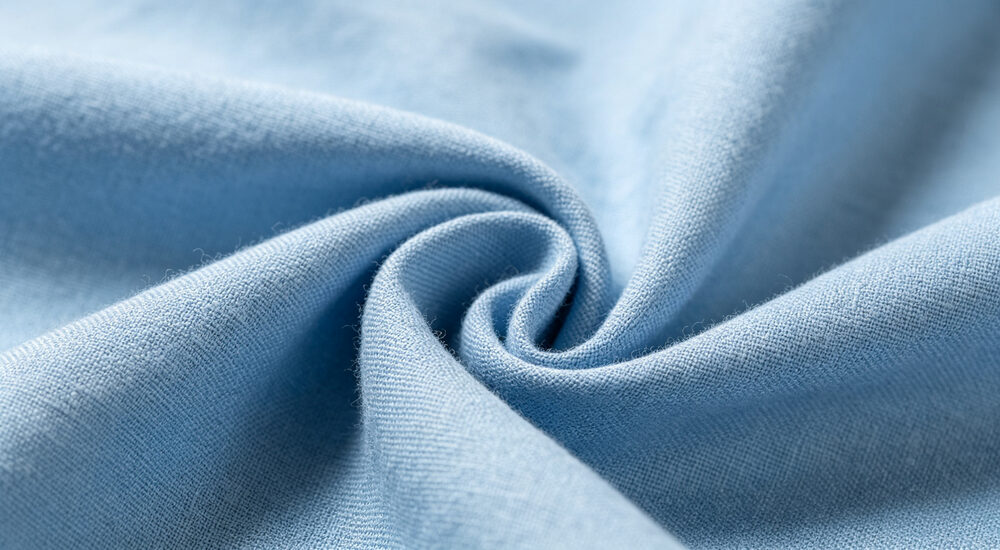
Think of high thread count like thin spaghetti. The more threads you squeeze into a square inch, the thinner each thread has to be. Thin threads feel silky when new — but they also break easily, especially when you bleach them, boil-wash them, and tumble-dry them every other day. In a shelter or hospital, that 400 TC luxury sheet might fall apart in 4 months, while a tough 180 TC sheet keeps going for over a year.
Bleach is the #1 enemy of high-thread-count sheets. If your laundry uses bleach (and most hospitals and shelters do), those fine 300 TC threads get eaten away — after 50 washes, they lose about one-third of their strength. A tough 180 TC poly-cotton sheet under the same conditions loses only about 10-15%. That is the difference between replacing sheets every 4 months vs. every 12 months.
For healthcare facilities requiring bleach disinfection, never exceed 250 TC for cotton fabrics. Higher counts will disintegrate rapidly and increase replacement costs dramatically.
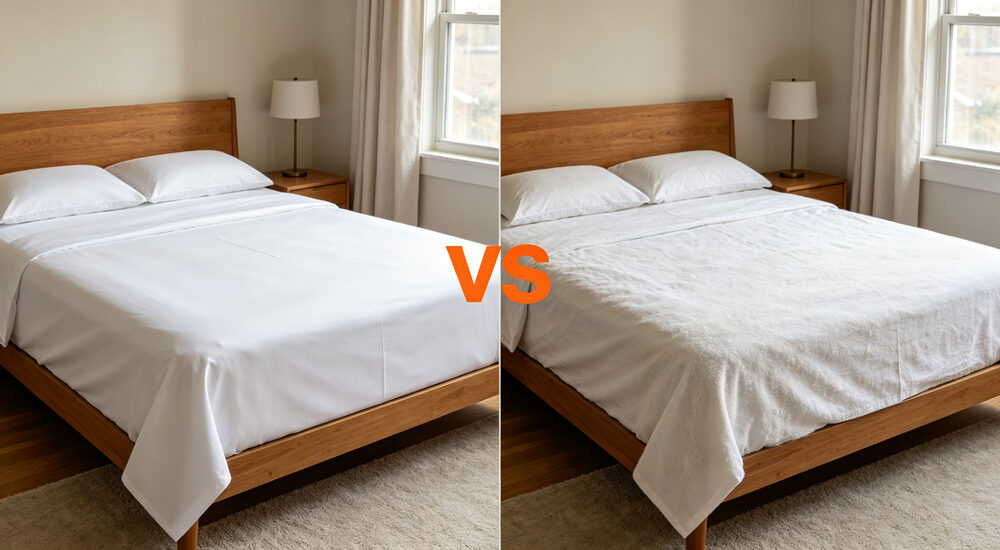
Higher thread count cotton fabrics typically shrink more in the first 5 washes (3-5%) because the denser weave traps more residual tension from manufacturing. Lower thread count and poly-cotton fabrics show less shrinkage (1-3%). Pre-shrunk or sanforized fabrics reduce initial shrinkage regardless of thread count.
Tumble drying at high temperatures (above 70°C / 158°F) accelerates fiber degradation in all fabric types, but the effect is most pronounced in high thread count cotton. The fine yarns in 300+ TC fabrics become brittle and break after repeated high-heat drying. Using lower drying temperatures (50-60°C) or line drying can extend high thread count fabric lifespan by 20-30%, though this reduces laundry throughput.
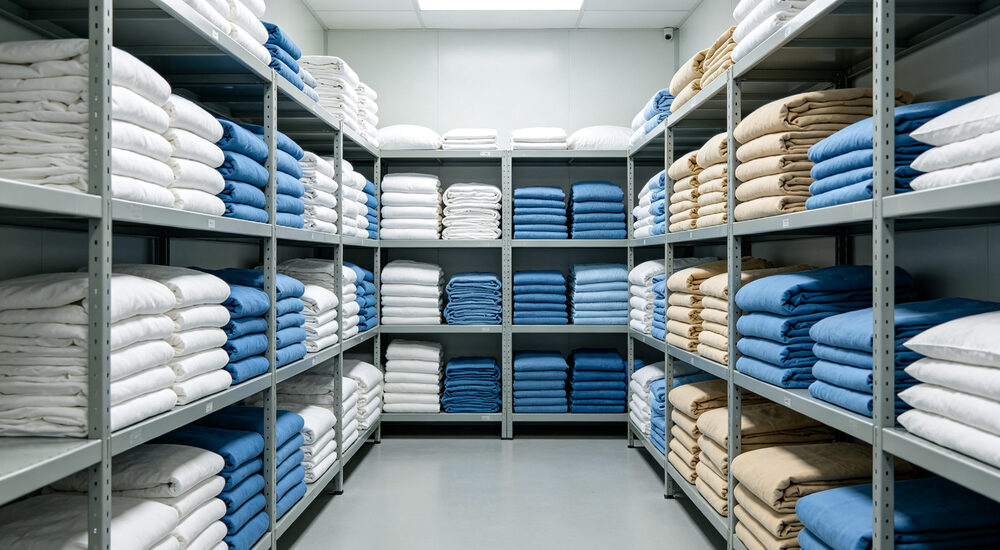
For facilities with high-volume laundry operations, moderate thread counts (180-220 TC) are more forgiving of drying temperature fluctuations and require less precise process control to achieve acceptable lifespan.
Low thread count fabrics (below 150 TC) typically fail through tearing at stress points like corners and hems. The thin fabric cannot withstand the mechanical stress of making beds and commercial washing. Medium thread counts (150-250 TC) fail through gradual thinning and pilling as individual fibers break. High thread counts (300+ TC) fail through fraying and shredding as the fine yarns break collectively under bleach and heat exposure.

Understanding these failure modes helps you identify when to replace bedding. Tearing indicates the thread count is too low for your application. Fraying and shredding indicate the thread count may be too high for your laundry conditions.
Lower thread count fabrics with thicker yarns generally have higher tear strength and abrasion resistance. This is particularly important for correctional facilities and emergency shelters where bedding may be subjected to rough handling. A 150 TC poly-cotton fabric will typically outperform a 300 TC cotton fabric in tear strength tests.
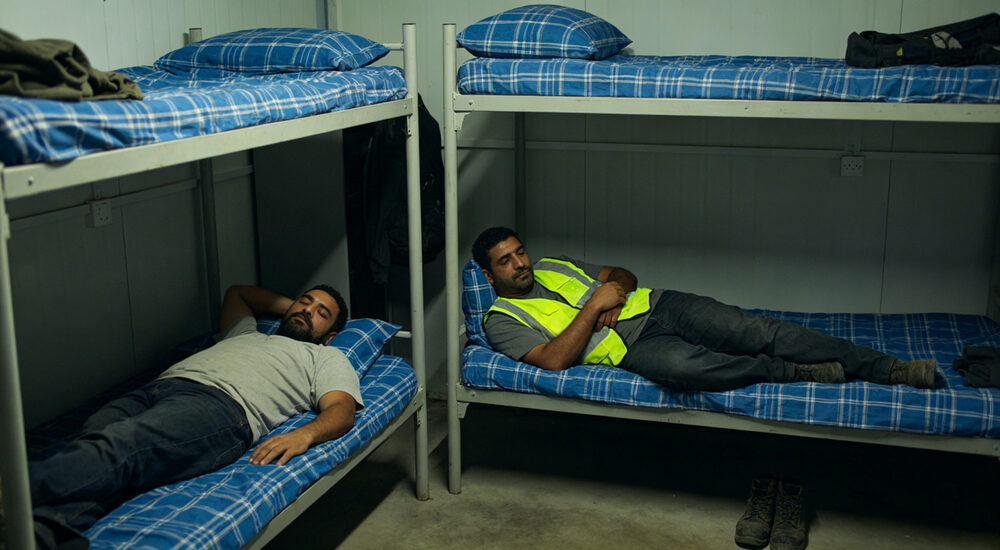
Here is the simplest way to remember: TC tells you how many threads, GSM tells you how heavy. Two sheets can both be 200 TC, but one might be thin and flimsy (100 GSM) while the other is thick and durable (160 GSM). Always check both numbers — GSM is actually the more reliable predictor of how long sheets will last.
Thread count measures the number of threads per square inch. It tells you how many yarns are in the fabric but not how thick those yarns are. Two fabrics with the same thread count can have very different weights depending on yarn thickness.
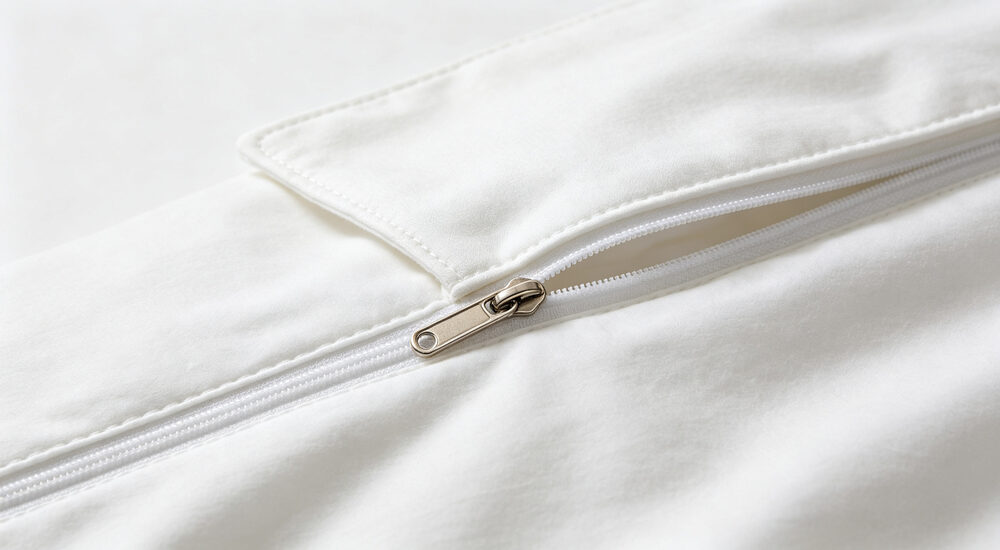
GSM measures the weight of the fabric per square meter. It accounts for both thread count and yarn thickness. A 200 TC fabric with thick yarns may weigh 180 GSM, while a 200 TC fabric with fine yarns may weigh only 120 GSM. GSM is a more reliable indicator of fabric durability and opacity than thread count alone.
For polyester and microfiber fabrics, GSM is a more reliable quality indicator than thread count. Because polyester fibers can be manufactured in various deniers (thicknesses), two fabrics with the same thread count can have dramatically different weights and durability. A 200 TC polyester fabric at 150 GSM will be much more durable than a 200 TC polyester fabric at 90 GSM.
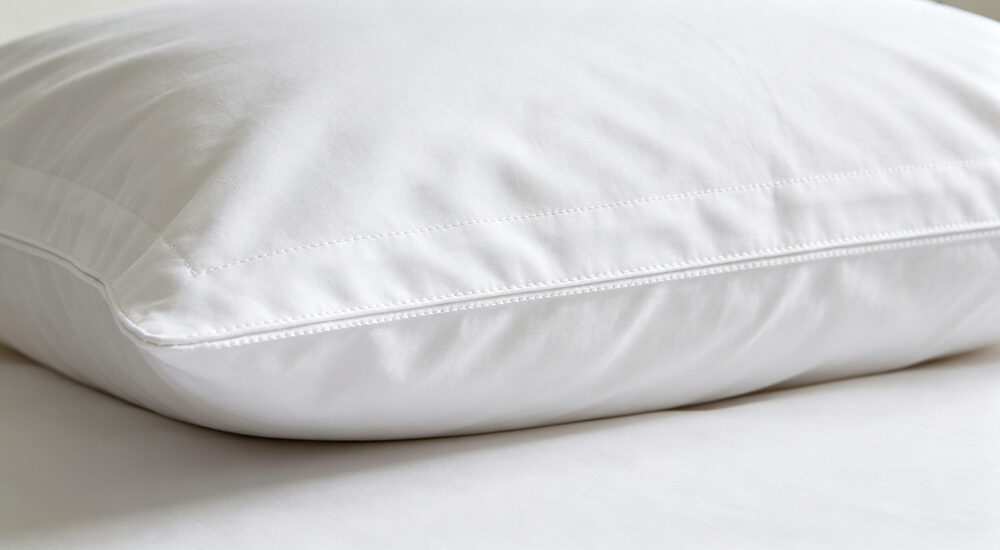
For cotton fabrics, thread count and GSM are more closely correlated because cotton fiber thickness is more consistent. However, yarn twist and ply still create variation. Always specify both metrics for all fabric types to ensure consistent quality.
You can verify fabric GSM with a simple test: cut a 10cm x 10cm square from the fabric, weigh it in grams using a precision scale, then multiply by 100 to get GSM. For example, if a 10x10cm sample weighs 1.5 grams, the fabric is 150 GSM. This test takes 2 minutes and catches weight discrepancies that thread count alone cannot detect.
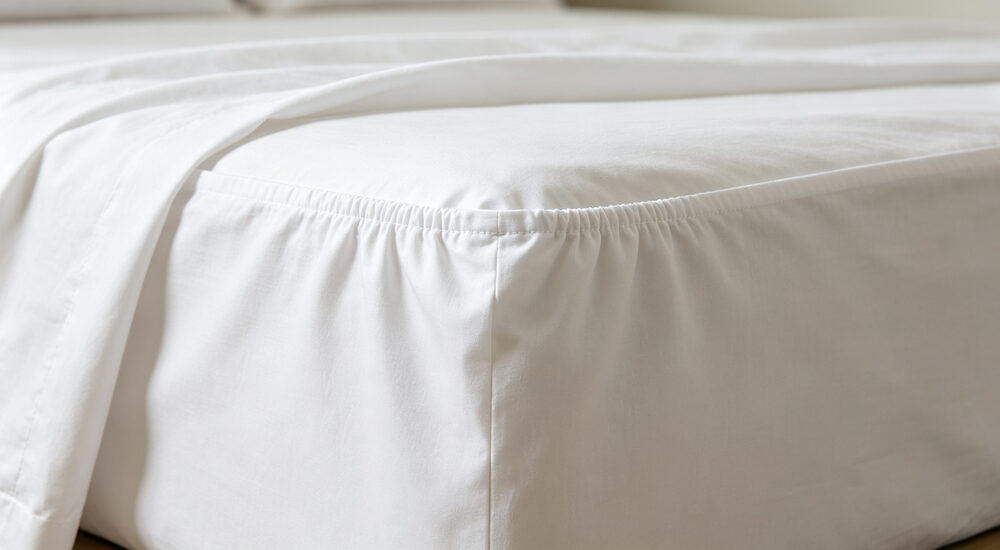
Combine this with the thread count test (count threads in a 1-inch square under magnification) to get a complete fabric density profile. Reject any shipment where either metric falls below the contracted specification by more than 5%.
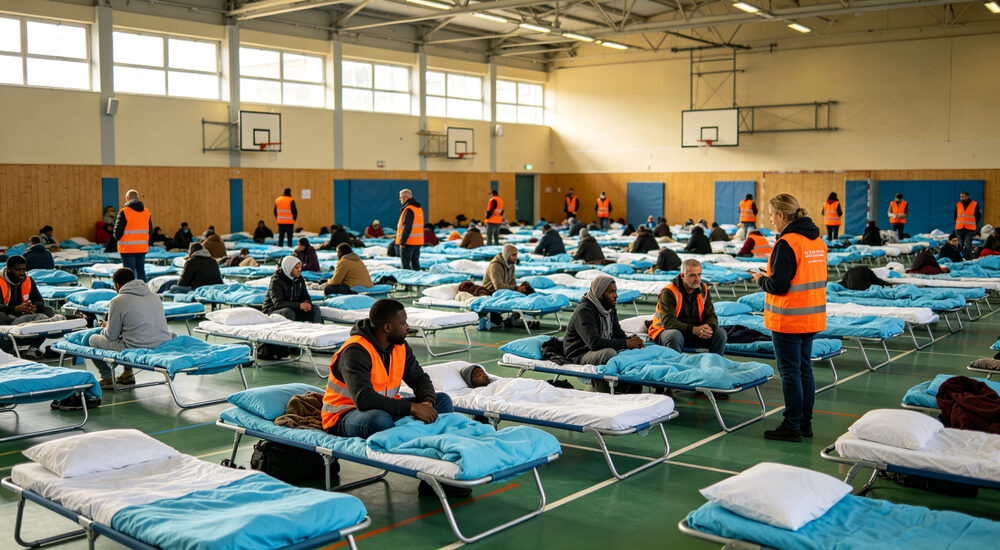
For institutional procurement, always request both TC and GSM specifications. A 200 TC / 150 GSM fabric will perform differently than a 200 TC / 120 GSM fabric. The combination of both metrics gives you a complete picture of fabric density and expected performance.
|
Fabric Type |
Thread Count |
GSM Range |
Characteristics |
|
Budget Sheeting |
120-150 TC |
90-120 GSM |
Lightweight, breathable, less durable |
|
Standard Institutional |
180-220 TC |
120-160 GSM |
Balanced comfort and durability |
|
Premium Healthcare |
250-300 TC |
150-180 GSM |
Soft, durable, higher cost |
|
Luxury Hospitality |
300-400 TC |
160-200 GSM |
Very soft, shorter institutional lifespan |
Selecting the right thread count requires matching fabric performance to your specific operational profile. Consider your average length of stay, laundry frequency, climate control, and budget constraints when making this decision. The following recommendations are based on 20+ years of institutional bedding supply experience across 30+ countries.
Different facility types have different priorities when it comes to density selection. The optimal choice depends on turnover rate, laundry facilities, budget, and occupant expectations.
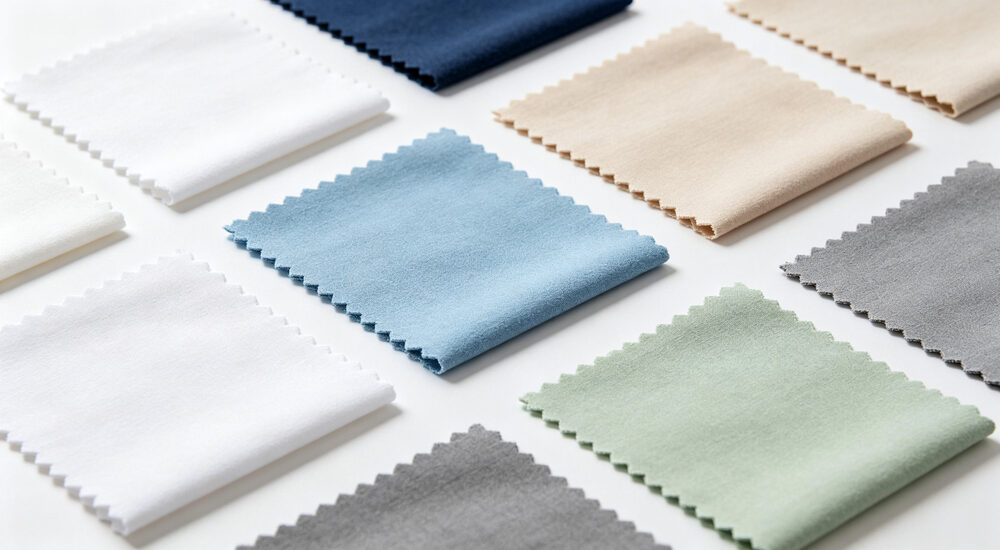
Community center emergency shelters and school gymnasium conversions use the same 130-180 TC poly-cotton specification as dedicated shelter facilities. These temporary conversions benefit from durable, easy-care fabrics that can be quickly deployed and laundered on-site or at commercial laundry facilities.
Finding the best thread count for hospital bedding requires balancing patient comfort with bleach tolerance. Most hospitals find that 180-250 TC cotton or poly-cotton delivers the right balance.

Disaster relief operations face unique challenges: high occupancy turnover, limited laundry infrastructure, variable water quality, and extreme budget constraints. Based on our experience supplying bedding to refugee camps in Jordan, Bangladesh, and Sudan, and hurricane relief centers in the Caribbean, we recommend 130-150 TC poly-cotton percale for general shelter use. This specification provides adequate comfort, dries quickly in humid conditions, and survives 150-200 washes with minimal maintenance.
For long-term refugee camps (6+ months occupancy), upgrade to 180 TC poly-cotton for improved durability. We supply emergency shelter sheets to 30+ countries — request our shelter bedding catalog. For temporary shelters (less than 3 months), 120-130 TC polyester or poly-cotton is sufficient and most cost-effective.
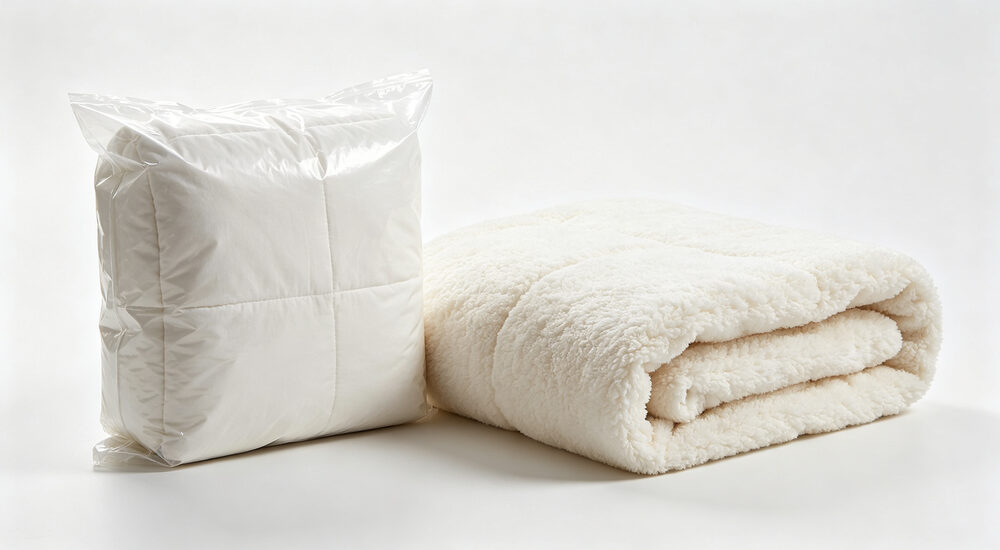
Finding the best thread count for hospital bedding requires balancing patient comfort with bleach tolerance. Most hospitals find that 180-250 TC cotton or poly-cotton delivers the right balance.
For emergency shelter bedding, prioritize durability and cost over maximum softness. Recommended range: 130-180 TC poly-cotton. These fabrics withstand frequent washing, dry quickly, and offer excellent value. Poly-cotton blends at 150-180 TC provide adequate comfort for short-term stays while surviving the high-turnover shelter environment.
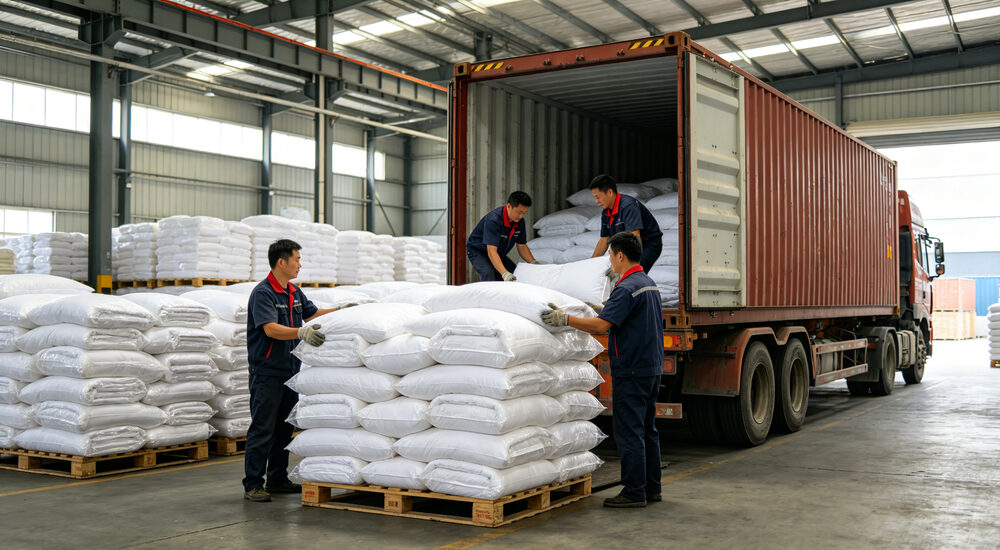
Finding the best thread count for hospital bedding requires balancing patient comfort with bleach tolerance. Most hospitals find that 180-250 TC cotton or poly-cotton delivers the right balance.
Healthcare settings require bleach-tolerant fabrics that can withstand frequent high-temperature washing. Recommended range: 180-250 TC cotton or poly-cotton. Higher thread counts in this range provide patient comfort while maintaining durability. Look for antimicrobial-treated fabrics for immunocompromised patient areas. Our healthcare bedding line meets hospital laundry standards — get healthcare pricing.

University dormitories balance student comfort expectations with institutional durability needs. Recommended range: 200-250 TC cotton or poly-cotton. Students expect a softer feel than emergency shelters, but the bedding must still survive academic-year-long use and frequent laundry.
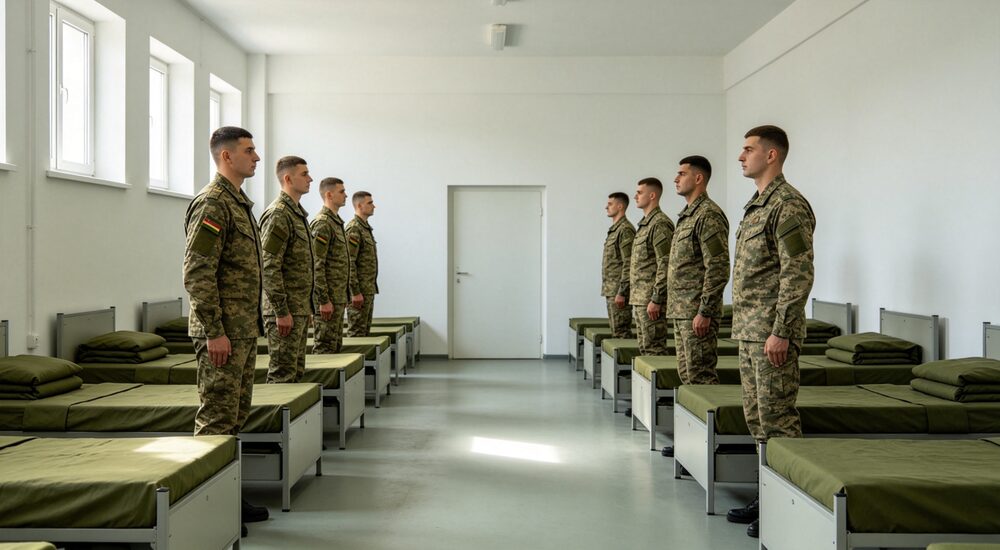
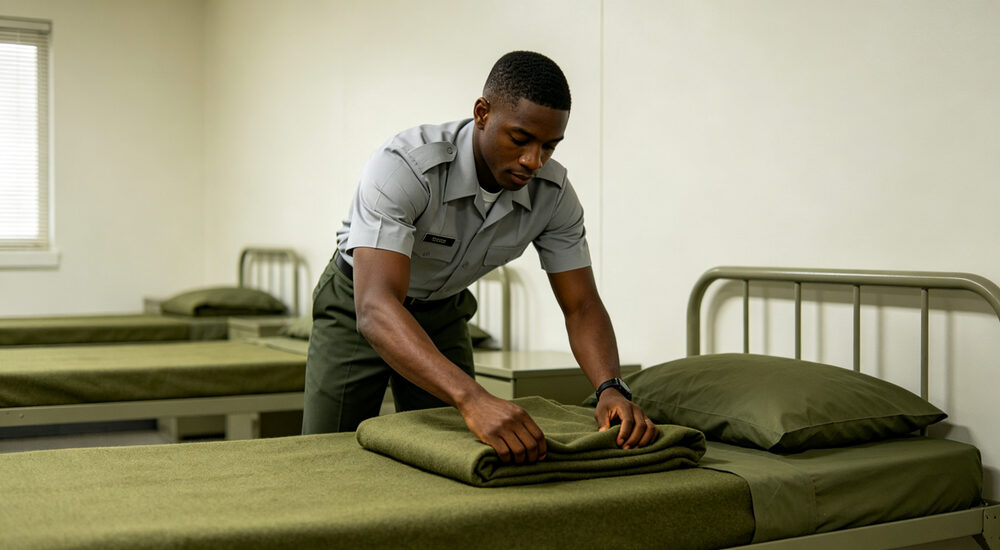
Military facilities require bedding that withstands field conditions, including potential exposure to moisture, dirt, and rough handling. Recommended: 150-200 TC poly-cotton or polyester in olive drab, navy, or standard military colors. These fabrics dry quickly, resist staining, and survive the rigorous laundry conditions found in base camps and field hospitals.
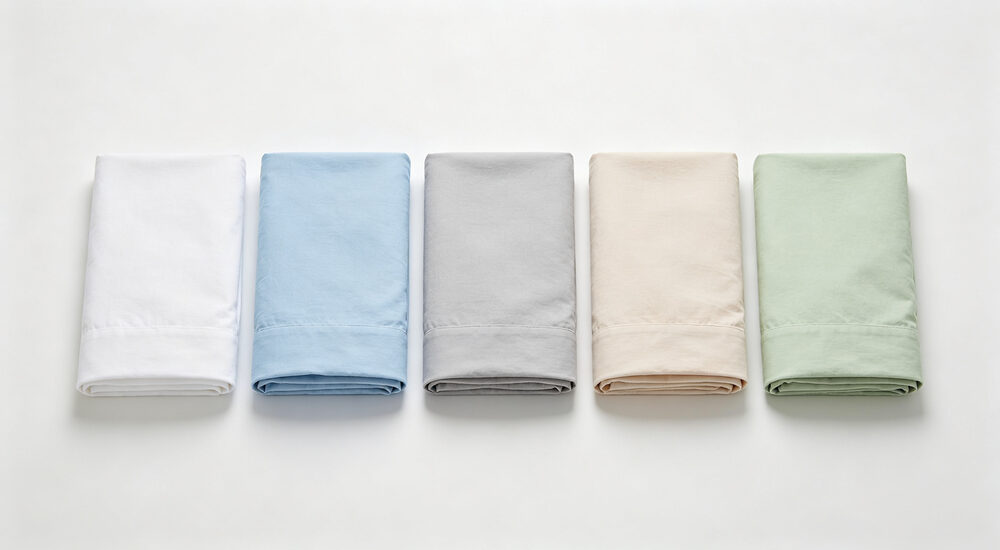
For permanent base housing, 200-250 TC cotton or poly-cotton provides better comfort for long-term occupancy. Field deployments should always use lower thread count poly-cotton for maximum durability and ease of care.
Correctional bedding demands maximum durability and tear resistance. Recommended range: 120-180 TC polyester or heavy poly-cotton. Lower thread counts with thicker yarns resist tearing and withstand rough handling. Colors are typically limited to white or standard institutional colors.
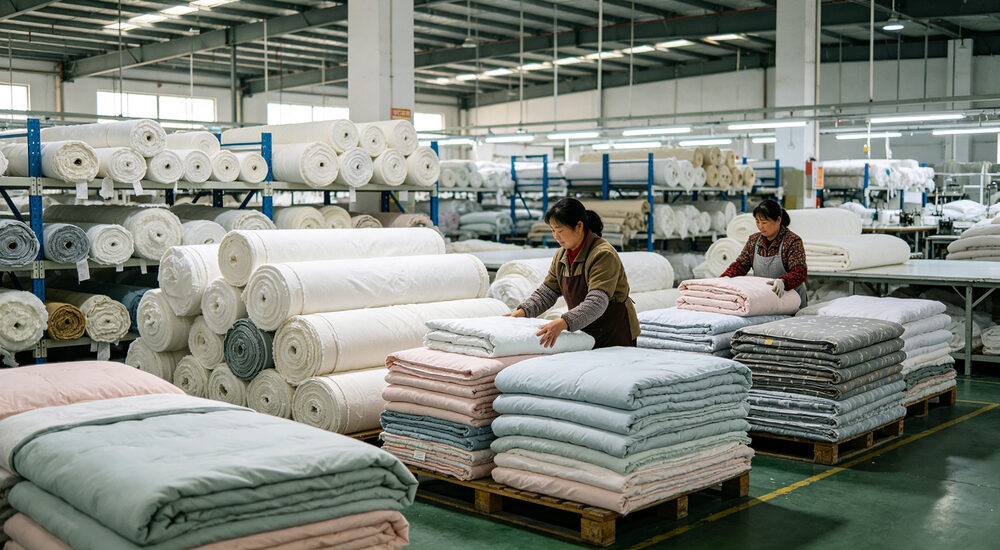
Budget hotels and hostels typically use 180-220 TC poly-cotton blends for durability and easy care. Mid-range hotels may use 250 TC cotton or poly-cotton for guest comfort. Luxury hotels use 300-400 TC cotton sateen but accept higher replacement costs as part of the premium experience.
Long-term care facilities prioritize resident comfort and skin health. Recommended range: 180-220 TC soft cotton or poly-cotton. Moderate thread counts provide comfort without sacrificing the durability needed for frequent laundry in care settings.

The percale vs sateen thread count debate is common among procurement teams. Percale offers better durability at any given count, while sateen provides a softer hand feel. This multi ply thread count explanation also covers how ply manipulation affects perceived quality.
The weave type significantly affects how a fabric feels and performs at any given thread count. The two most common weaves for institutional bedding are percale and sateen.

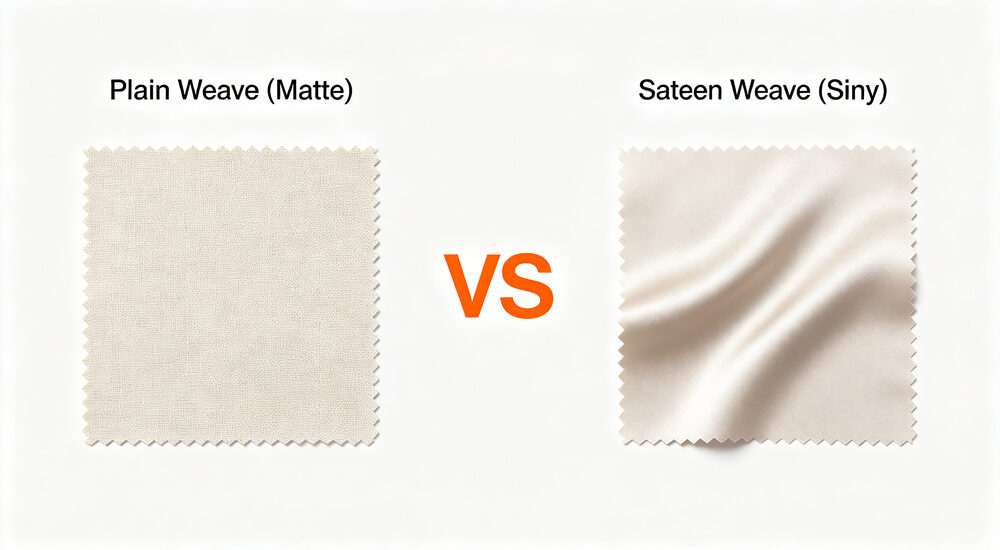
Percale uses a simple one-over-one-under weave pattern. At the same thread count, percale feels crisp and cool, with a matte finish. Percale fabrics are more breathable and tend to be more durable than sateen. This makes percale the preferred weave for institutional bedding, especially in warm climates.
Sateen uses a four-over-one-under weave pattern, creating a smoother, shinier surface. Sateen feels softer and more luxurious at the same thread count but is less breathable and less durable. Sateen is more common in premium hospitality than in high-turnover institutional settings.

While percale and sateen dominate institutional bedding, other weaves have niche applications. Jersey knit (t-shirt material) offers exceptional softness but has poor shape retention and high shrinkage. Flannel (napped cotton) provides warmth for cold climates but pills heavily and is unsuitable for high-turnover use. Jacquard weaves allow decorative patterns but are too expensive for most institutional applications.
For standard institutional use, percale weave at 180-220 TC remains the most cost-effective choice across all facility types.
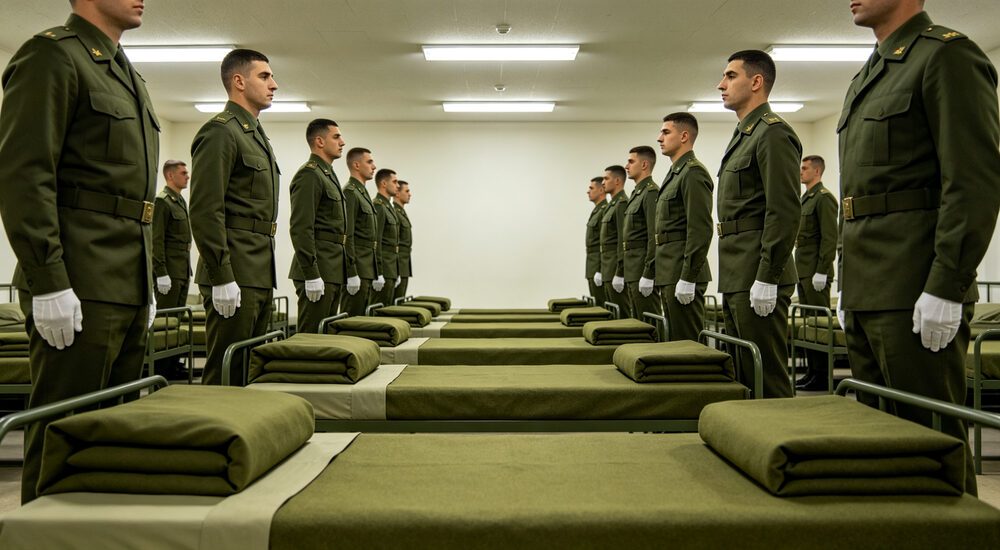
Emergency shelters: Percale at 130-180 TC for durability and breathability. Hospitals: Percale at 180-250 TC for crisp feel and bleach tolerance. Universities: Percale or sateen at 200-250 TC depending on student expectations. Correctional facilities: Heavy percale at 120-180 TC for maximum tear resistance. Nursing homes: Soft percale at 180-220 TC for skin comfort. Hotels: Sateen at 250-300 TC for luxury feel in low-turnover rooms.
Percale fabrics typically start at 180 TC and perform well up to 250 TC. Sateen fabrics can achieve higher effective thread counts (300-400 TC) due to the weave structure, but these higher counts are less suitable for institutional use due to reduced durability.
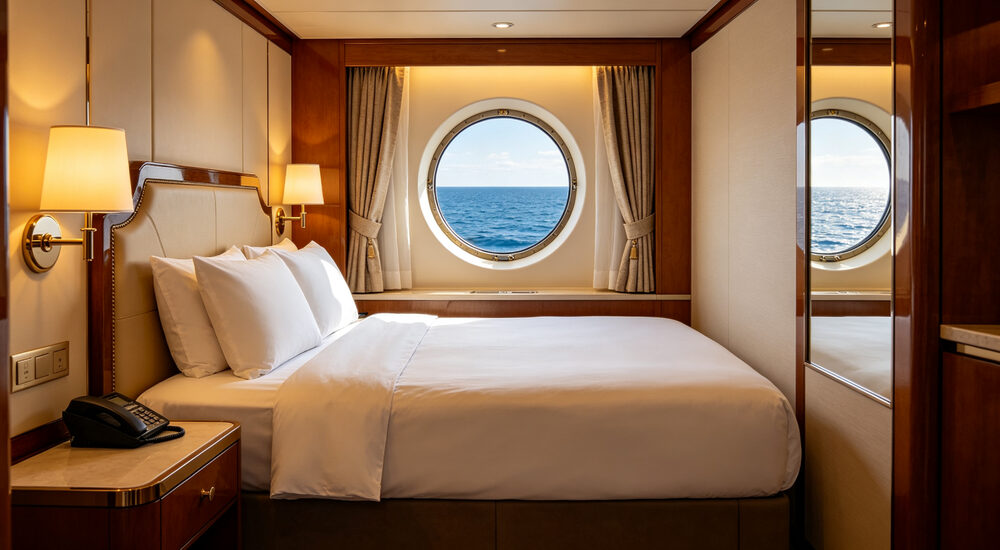
Calculating thread count cost per wash reveals the true economic value of different specifications. This best thread count for hospital sheets analysis includes specific recommendations for healthcare, while separate sections cover dormitory bedding thread count, correctional facility bedding thread count, nursing home bedding thread count, and military bedding thread count requirements.
Bulk pricing structures also affect the thread count decision. At order quantities above 5,000 units, the per-unit cost difference between 180 TC and 250 TC narrows significantly, sometimes to just 10-15%. At smaller order quantities (500-1,000 units), the difference can be 40-60%, making lower thread counts more attractive for budget-constrained procurement.

Always request tiered pricing quotes at multiple thread counts to identify the value sweet spot for your specific order volume. Suppliers are often willing to negotiate density upgrades at larger quantities because the production cost difference is smaller than the retail price difference suggests.
When evaluating sheet options, total cost of ownership (TCO) is more important than unit price alone. Thread count affects both purchase price and replacement frequency, making TCO calculations essential.
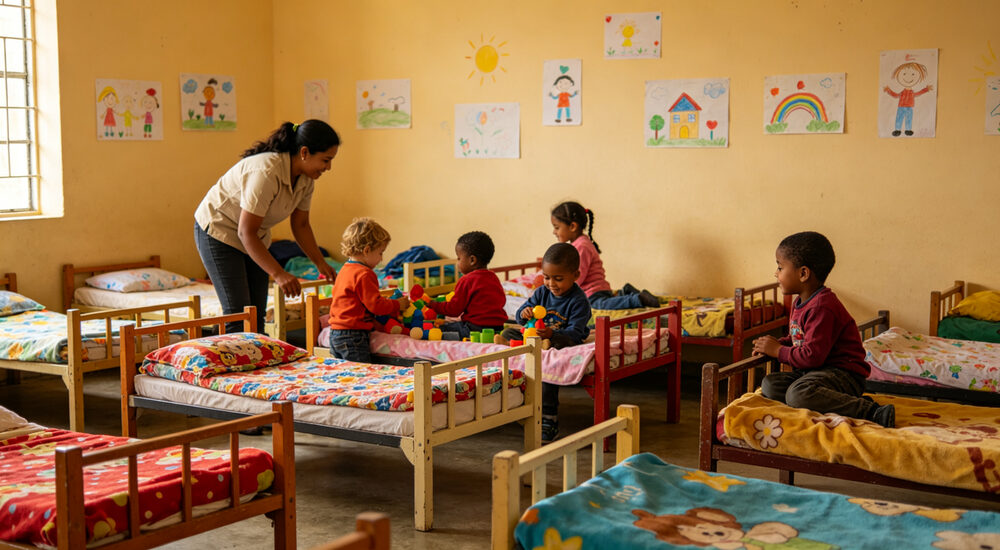
Here is the math that will save you thousands. Do not look at the price per sheet — look at the price per wash. Divide the cost by how many washes it will survive:
Despite the higher unit price, the 300 TC cotton option costs 3x more per wash due to its shorter lifespan in commercial laundry conditions.
|
Specification |
Unit Cost |
Expected Washes |
Cost/Wash |
Annual Cost (52 washes) |
|
130 TC Poly-Cotton |
$8.50 |
200 |
$0.043 |
$2.21 |
|
180 TC Poly-Cotton |
$10.00 |
180 |
$0.056 |
$2.89 |
|
200 TC Cotton |
$12.50 |
120 |
$0.104 |
$5.42 |
|
250 TC Cotton |
$16.00 |
90 |
$0.178 |
$9.24 |
|
300 TC Cotton |
$22.00 |
70 |
$0.314 |
$16.34 |
As the table demonstrates, moving from 180 TC poly-cotton to 300 TC cotton increases annual cost by 465% while providing minimal comfort benefit in institutional settings. Overall, the data clearly shows that total cost of ownership analysis is essential before specifying higher thread counts. The bottom line: higher TC rarely delivers better value in institutional settings.
Understanding expected lifespan by thread count allows accurate replacement budgeting. For facilities washing 3 times per week (156 washes/year): 130 TC poly-cotton needs replacement every 12-16 months. 180 TC poly-cotton lasts 12-14 months. 200 TC cotton lasts 8-10 months. 250 TC cotton lasts 6-8 months. 300 TC cotton lasts 4-6 months.
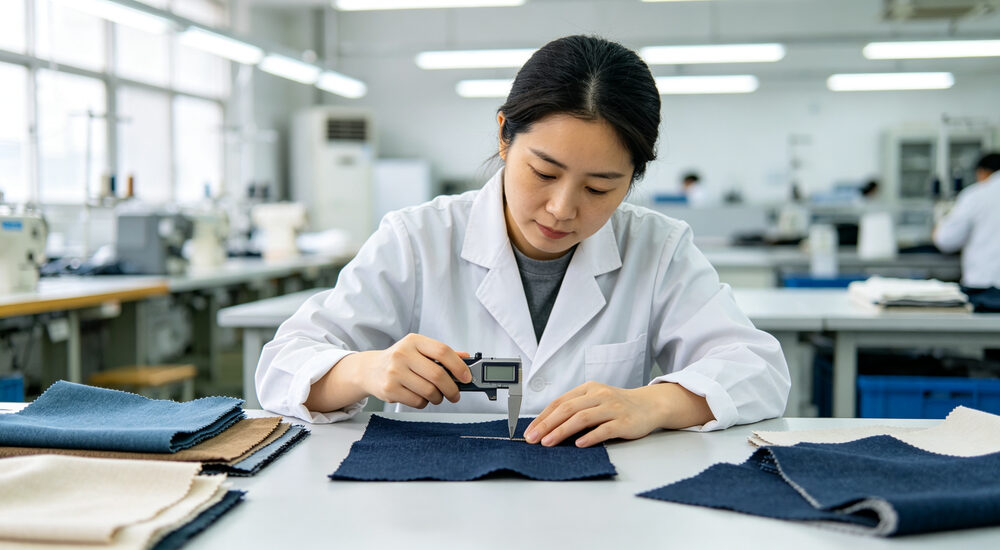
Factor these replacement cycles into your annual linen budget. A facility with 1,000 beds using 300 TC cotton will need approximately 2,000 replacement sets per year, compared to 750 sets with 180 TC poly-cotton. In summary, this volume difference has cascading effects on storage, laundry labor, and waste disposal costs. The key takeaway is that replacement frequency, not unit price, drives total linen budget.
Moving from 180 TC to 250 TC typically increases cost by 30-50%. Moving from 250 TC to 400 TC can double the price. These premiums are rarely justified in institutional settings where durability matters more than luxury feel.
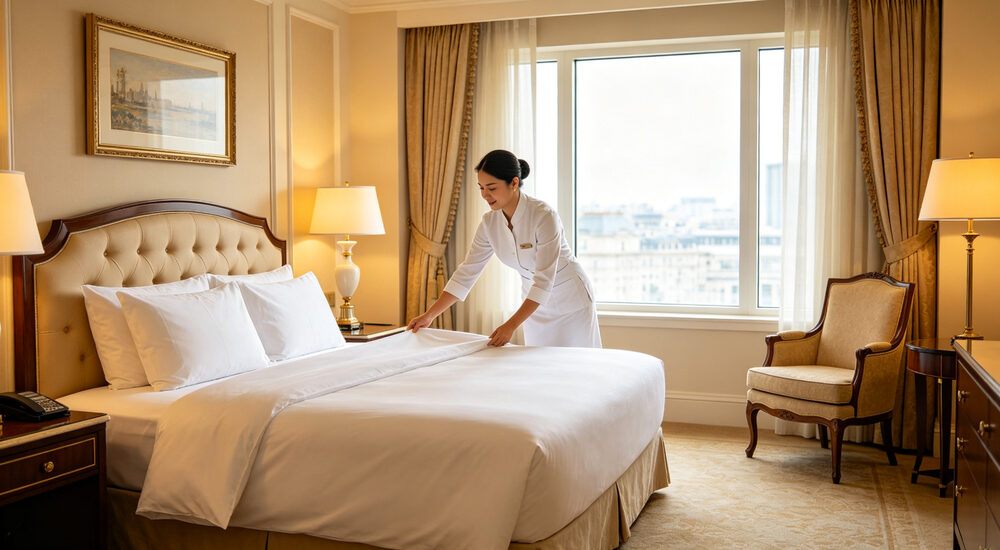
Request at least three fabric samples from each supplier: one unwashed, one after 10 washes, and one after 50 washes. Compare all three side by side to evaluate how the fabric ages. Check for pilling, thinning, color fading, shrinkage, and changes in hand feel. A fabric that looks good new but deteriorates rapidly is a poor institutional choice regardless of its thread count.
Also request fabric swatches from competitor products at the same thread count. This helps you identify whether a supplier thread count claim is realistic or inflated. If one supplier 200 TC fabric feels significantly thinner than competitors 200 TC fabric, the thread count claim may be inaccurate.
Use this ASTM D3775 thread count verification checklist and OEKO-TEX thread count certification guide to ensure supplier compliance. Every shipment should be tested and verified against contracted specifications.
Use this checklist when evaluating bedding samples and supplier quotes:
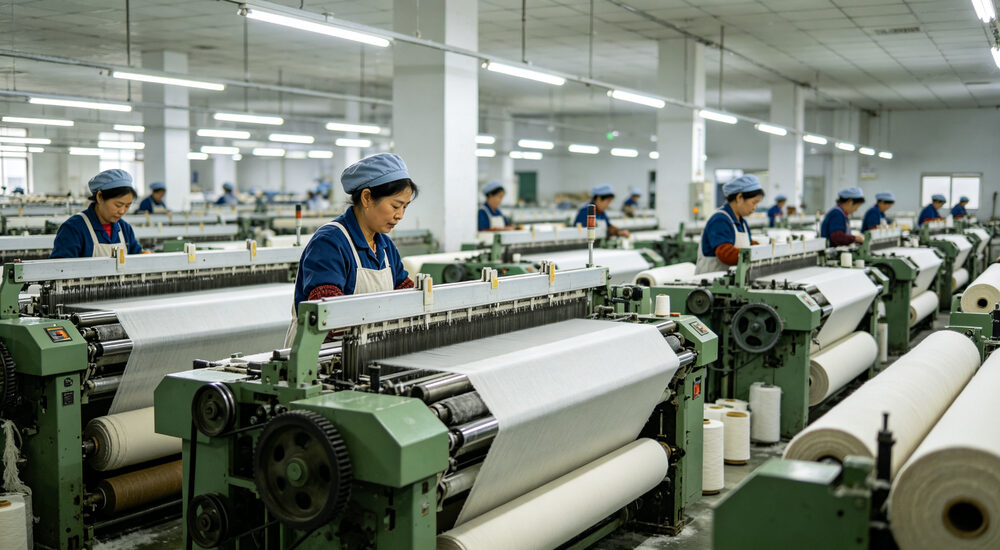
With over 20 years of institutional bedding manufacturing experience, we supply 30+ countries across emergency relief, healthcare, education, and hospitality sectors. Our factory produces 500,000+ bedding sets annually with dedicated production lines for institutional orders.
Our in-house quality control laboratory tests every production batch for density accuracy using ASTM D3775 methodology. We provide complete thread count certification and every shipment is independently verified and certified to meet contracted specifications and independent test reports for every fabric specification. Our quality control team verifies actual thread count using ASTM D3775 standard test methods, ensuring you receive exactly what is quoted. We offer both percale and sateen weaves across all thread count ranges, with custom blending options available.
We offer custom thread count development for buyers with specific requirements. Our R&D team can develop fabrics at any thread count from 120 TC to 400 TC in cotton, poly-cotton, or polyester, with custom weave patterns and finishes. Minimum order quantities for custom development start at 2,000 units per specification.
Related guides: Bed Sharing Sizes for Emergency Shelters, Cotton vs Polyester vs Poly-Cotton Material Comparison and Institutional Bedding Washing & Care Guide.
After 20 years in institutional bedding, we see the same mistakes over and over. Avoid these:
Mistake 1: Buying the highest TC you can afford. Higher TC = higher price + shorter life in commercial laundry. Most facilities waste 30-50% of their linen budget on unnecessarily high thread counts.
Mistake 2: Trusting the label without testing. Some suppliers inflate TC numbers using multi-ply yarns. Always ask for single-ply equivalent count and ASTM test reports.
Mistake 3: One TC for the entire facility. Different areas have different needs. A hospital can use 180 TC in ER/triage areas and 250 TC in patient rooms — mixing saves money without sacrificing experience.
Let us audit your current linen specification — we will tell you exactly where you are overspending or under-specifying.
Here is the bottom line: thread count matters, but it is not the whole story. For most shelters, hospitals, and dorms, the sweet spot is 180-250 TC cotton or 130-200 TC poly-cotton. Anything above 300 TC is usually just paying more for a shorter lifespan. Match the count to your facility, check both TC and GSM, and always calculate cost per wash — not cost per sheet.
Always evaluate fabrics using both TC and GSM metrics, request washed samples, and calculate total cost of ownership rather than comparing unit prices alone. The right thread count for your facility depends on your specific turnover rate, laundry infrastructure, and occupant comfort expectations.
A: For emergency shelters, 130-180 TC poly-cotton blends offer the best combination of durability, quick drying, and cost efficiency. These fabrics withstand high-turnover use and frequent commercial washing better than higher thread count alternatives.
A: Not necessarily for institutional use. A 300 TC cotton fabric may feel softer initially but will wear out faster under commercial laundry conditions. A 200 TC poly-cotton fabric often provides better long-term value and durability in high-turnover environments.
A: Thread count is measured by counting the number of warp (vertical) and weft (horizontal) threads in one square inch of fabric. The two numbers are added together. Standard test method ASTM D3775 is commonly used for verification.
A: Thread count measures the number of threads per square inch, while GSM (grams per square meter) measures fabric weight. Two fabrics with the same thread count can have different GSM depending on yarn thickness. Both metrics together give a complete picture of fabric density.
A: Yes. Very high thread count fabrics (300+ TC) use finer yarns that are more susceptible to damage from chlorine bleach, high heat, and mechanical agitation in commercial laundry. This can result in shorter service life compared to moderate thread count fabrics with thicker yarns.
A: Most hospitals use 180-250 TC cotton or poly-cotton blends. This range provides patient comfort while withstanding frequent high-temperature washing and bleach disinfection. Premium hospitals may use 250-300 TC for patient rooms.
A: Yes. Lower thread count fabrics (120-180 TC) are more breathable because there is more space between threads for air circulation. Higher thread count fabrics are denser and less breathable, which can feel hot in warm environments.
A: Multi-ply yarns twist two or more fibers together, and some manufacturers count each ply separately to inflate the advertised thread count. A 300 TC 2-ply fabric may have the same number of yarns as a 150 TC single-ply fabric. Always ask for single-ply equivalent thread count.
A: University dorms typically use 200-250 TC cotton or poly-cotton blends. This range meets student comfort expectations while surviving the full academic year of use and frequent laundry cycles.
A: Sateen weaves feel softer and shinier at the same thread count due to their four-over-one-under structure. Percale weaves feel crisp and cool with a simple one-over-one-under pattern. Percale is generally more durable and breathable for institutional use.
A: The minimum practical thread count for institutional bedding is 120 TC. Below this, fabrics are too thin and transparent, with poor durability. Budget emergency shelter options often start at 130-150 TC poly-cotton.
A: Request independent test reports using ASTM D3775 standard. You can also send samples to a third-party textile testing laboratory. Reputable manufacturers will provide TC verification documentation upon request.
A: Higher thread count cotton fabrics typically shrink more (3-5%) in the first 5 washes due to denser weave tension. Poly-cotton blends and pre-shrunk fabrics show less shrinkage (1-3%) regardless of thread count.
A: Moving from 180 TC to 250 TC typically increases cost by 30-50%. Moving to 400 TC can double the price. Always calculate cost per wash rather than comparing unit prices, as lower thread count fabrics often last longer in commercial use.
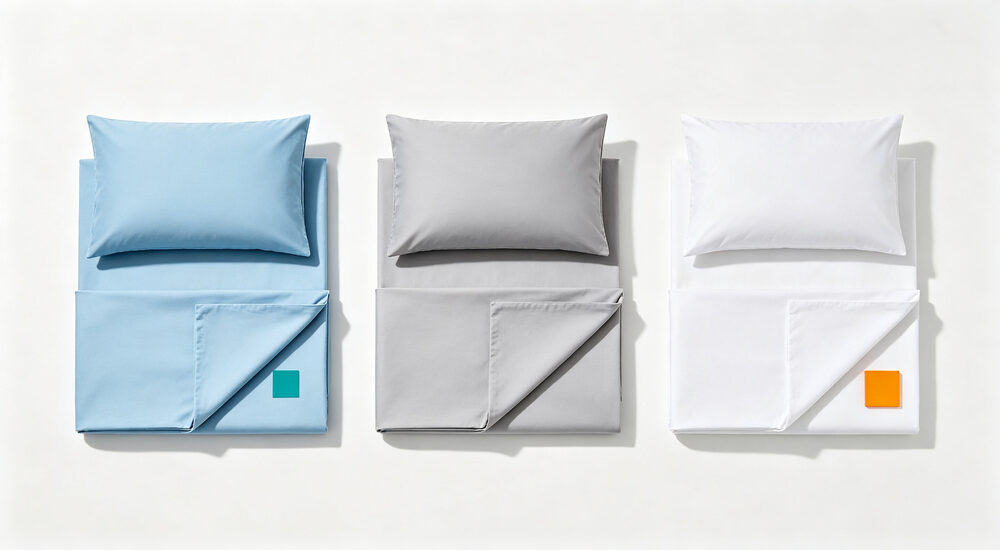
A: Yes, many facilities use different thread counts for different areas. For example, 180 TC for high-turnover shelter areas and 250 TC for premium patient rooms. Color coding helps staff identify and sort different fabric grades during laundry.
A: Nursing homes typically use 180-220 TC soft cotton or poly-cotton blends. This range provides resident comfort and skin-friendliness while maintaining the durability needed for frequent laundry in care settings.
A: Microfiber is typically measured by GSM (grams per square meter) and denier (fiber thickness) rather than thread count. When thread count is quoted for microfiber, it can be misleading due to the ultra-fine fiber structure. Always request GSM specifications for microfiber bedding.
A: 130-180 TC poly-cotton: 150-250 washes. 180-250 TC cotton: 80-150 washes. 300+ TC cotton: 50-100 washes. Actual lifespan depends on wash temperature, bleach usage, and drying methods.
 |

|
Pautan Mesra :
hak cipta © Custom Disaster - Relief Bedding: Tents, Sleeping Bags, Blankets Hak cipta terpelihara
pasukan profesional untuk perkhidmatan !