Kategori
Last Updated: October 3, 2026
Choosing between a single sleeping bag and a zip together sleeping bag system is one of the most important decisions for wholesale buyers, outdoor retailers, and institutional procurement teams. This guide walks through the key differences, compatibility requirements, and real-world use cases to help you make the right choice. Need a quick recommendation for your order quantity? Request a sample pair to test left and right zipper connection before bulk production. For OEM sleeping bag orders, buyers can customize fabrics, fillings, and branding.
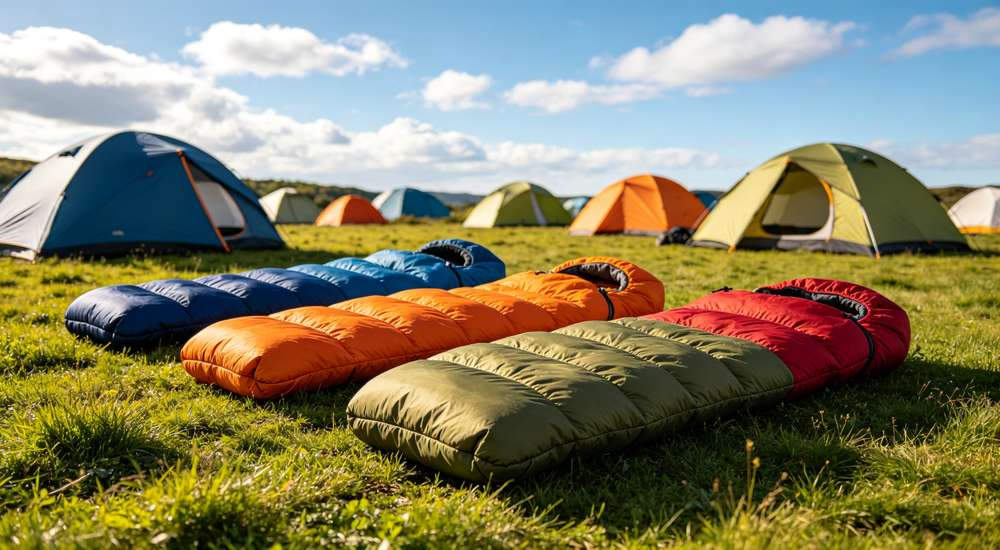
Single sleeping bags offer simplicity, easy inventory management, and straightforward quality control. Connectable systems allow two units to zip together into a double-wide setup while remaining individually usable. Both formats have distinct advantages depending on your target market and application scenario.
For wholesale buyers evaluating different sleeping bag configurations, understanding these structural differences helps ensure product alignment with customer needs and market demand. The following sections break down each factor in detail with practical guidance for procurement managers.
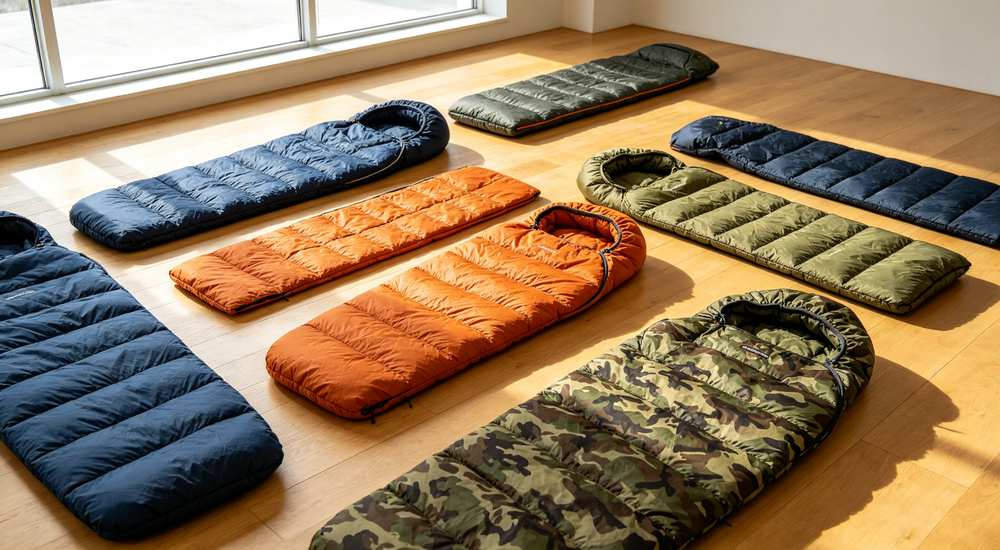
Single sleeping bags suit independent sleeping places and clear personal allocation. Zip-together sleeping bags suit projects that genuinely need wider shared coverage. The decision depends on users, sleeping spaces, zipper compatibility, environment, and packing. This makes them suitable for emergency relief and institutional accommodation projects.

Direct answer: Most institutional accommodation should begin with single-person use. Add a zip-together function only when paired use is planned, users can share the space, the layout is wide enough, and left/right zippers and sleeping bag dimensions are truly compatible.
Why Single Sleeping Bag Structure Is Easier to Manage
What problem does a zip-together structure solve?
What compatibility conditions must be confirmed?
Users and privacy can change the decision
How does connection affect temperature and sleeping bag comfort?
Why do packing and repeat ordering become more complex?
Test the real actions before selection
Single, Two-Person, and Zip-Together Are Different Directions
Why Are Single Bags Usually the Institutional Starting Point?
Which User Relationships Justify Connection?
Why Do Opposite Zipper Sides Still Not Guarantee Connection?
What Happens When Dimensions or Shapes Differ?
Why Must the Sleeping Platform Be Rechecked After Connection?
Why Can Single-Bag Temperature Information Not Be Reused?
A Connectable Bag Must Still Work Well on Its Own
How Can Buyers Understand Directions and Pair Quantities?
How Should One Genuine Pair Be Tested?
Must Materials and Filling Match for Connected Use?
How Do Flat Opening, Connection, and a Two-Person Bag Differ?
What Should Be Rechecked After Cleaning and Drying?
How Can Three Common Projects Choose Directly?
What Should Buyers Check After Two Bags Connect?
Frequently Asked Questions

A single bag keeps one user, size, package, and quantity together. It suits temporary accommodation, duty rest, and institutional reserves.
Single vs Connectable Sleeping Bag Comparison
Feature
Single Sleeping Bag
Connectable Sleeping Bag
Inventory Management
Simple, one SKU
Two SKUs (left/right zip)
Flexibility
Independent use only
Single or double setup
Target Market
Solo travelers, institutions
Couples, families, rental
Price Point
Lower per unit
Higher per pair
This comparison helps wholesale buyers determine which setup best matches their customer demand and inventory strategy.
Single units allow independent entry, sleeping bag storage, and replacement without affecting other users in the group.
This makes inventory management simpler for wholesale buyers and institutional procurement teams.
It also aligns more easily with a single cot, mattress, or marked floor space. If contamination or damage occurs, only one unit needs attention.
Single-person use does not mean one size fits everyone. Body range, clothing, and sleeping-space dimensions still need confirmation.
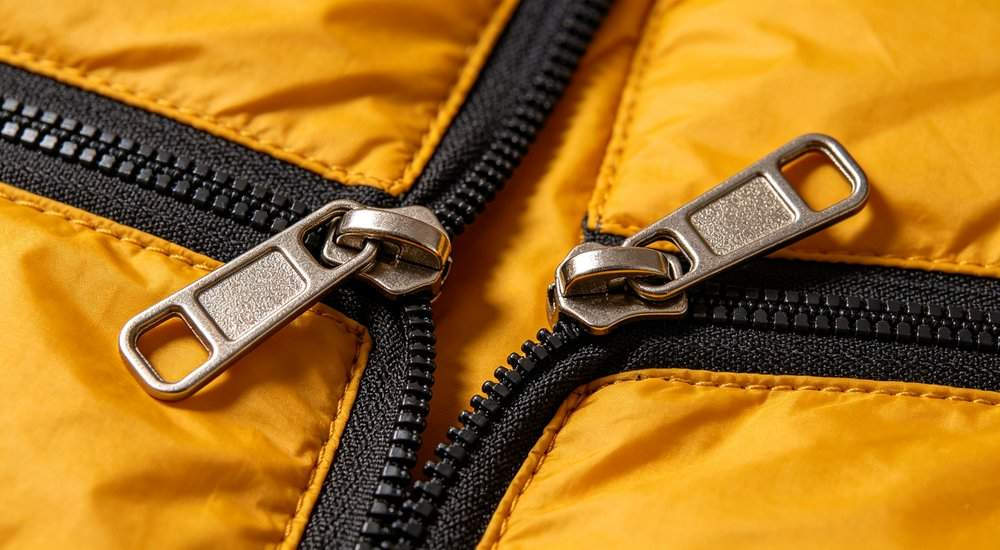
Compatible zippers connect 2 bags to create a wider sleeping or coverage area. This can suit family units, sleeping bag care arrangements, or specific flat-cover needs.
Connection changes internal space, openings, and thermal behavior. Temperature information for one closed bag cannot automatically describe the combined state.
If the project will never connect bags, the extra structure only adds procurement and repeat ordering complexity.

When comparing emergency sleeping bag options for institutional procurement, the following table summarizes key specifications to help your team evaluate different configurations and select the most suitable products for your specific needs. A left zip sleeping bag pairs with a right zip model to form a double-wide setup, making this pairing essential for connectable product lines.
When evaluating sleeping bag quality control and BSCI sleeping bag certification, buyers should request factory audit reports and third-party test results to ensure consistent product standards.
|
Check |
Why it matters |
Buyer action |
|
Left/right zipper |
Matching sides may not connect correctly |
Request the pairing method |
|
Zipper type and length |
Different teeth or lengths interrupt connection |
Connect the full sample length |
|
Bag dimensions and shape |
Differences create offsets or gaps |
Compare open size and seam position |
|
Sleeping-space width |
A connected set may block walkways |
Measure in the actual layout |
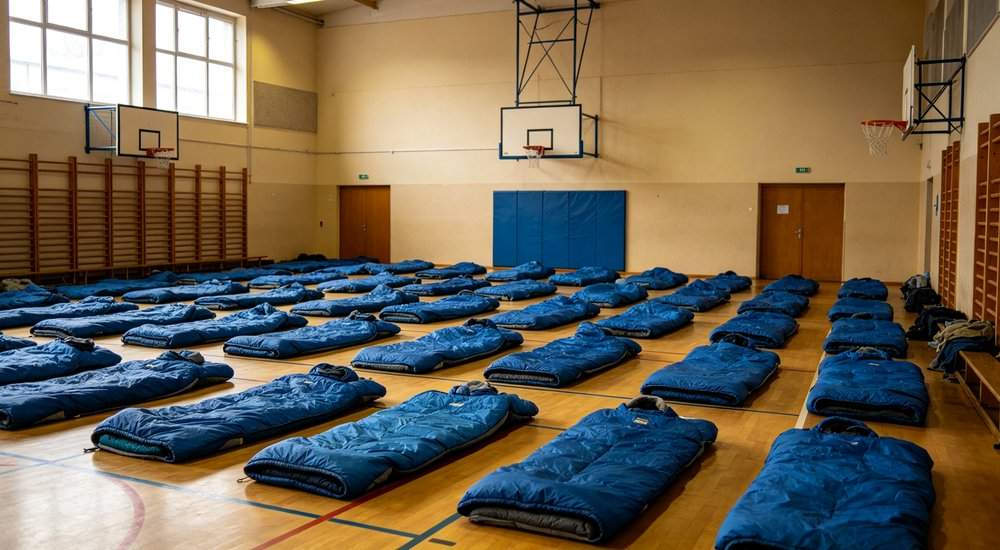
An institution should not assume shared use merely because 2 bags can connect. Family members, carers, and unrelated adults have different privacy needs. The right zip sleeping bag must use the same tooth size and slider type as its left-side counterpart to ensure smooth connection every time.
Define who will use the connected set and whether shared space is acceptable. Confirm that it can return to two independent bags when people change.
Single bags are usually clearer for unrelated adults, rotating accommodation, and individually managed sleeping places. Military sleeping bag orders often specify olive drab colors, reinforced stitching, and temperature ratings suitable for field deployment in various climates.

Connecting 2 bags changes internal volume, openings, and body position. Users may share heat, but gaps and the central zipper area may also increase heat loss.
The feature is therefore not proof of greater warmth. Review the connected state with shelter, ground insulation, and actual users.
For colder conditions, ask whether available temperature information applies to one closed bag or another defined state. Do not calculate a new rating. Refugee sleeping bag procurement prioritizes compact packing, durable fabrics, and easy maintenance for long-term camp use in humanitarian settings.

A connected system often needs balanced quantities of left- and right-zipper units. Unbalanced left and right quantities can reduce the number of usable pairs.
Labels, unit bags, cartons, and lists should identify zipper way, dimensions, and setup. Repeat ordering must retain the same connection specification.
When a project cannot manage pairing over time, independent single bags provide a more stable arrangement. Institutional sleeping bag buyers such as schools, hospitals, and emergency management agencies prioritize durability and easy maintenance over recreational features.

A single bag serves one user and one sleeping position. A two-person bag is a wider finished product. Zip-together use connects two independent bags through compatible zippers.
Their dimensions, openings, storage, and normal use are not the same.
Current product information includes directions such as 180×75 cm single, 200×75 cm longer, and 220×150 cm wider two-person options. These examples do not mean that a two-person product equals two connected single bags.
Decide whether the project needs independent sleeping, a fixed two-person space, or occasional connection. Only the third need requires further left-and-right zipper compatibility work.
Product way and quantity should also remain separate. A project can buy single bags plus a smaller connected quantity. Give each quantity a clear use instead of treating every single unit as an available pair.
This prevents the quoted single quantity from being mistaken for the number of complete connected sets.

A single bag lets each user enter, adjust the opening, turn, and leave independently. It also fits a single cot, mattress, or marked floor position more directly. User changes do not require a new pairing arrangement.
Independent use still allows a small number of sizes for different body ranges. Single-person does not mean one width for everyone. It means each product serves one clear sleeping position.
Single bags are usually clearer for unrelated adults, rotating accommodation, privacy needs, and narrow aisles. An optional feature should not add complexity when the project has no real connected use.

Connection is most relevant for defined family units, care arrangements that need shared coverage, or a confirmed wide sleeping platform. Technical connection alone does not justify shared use for any two people.
Confirm whether users accept shared space, need independent entry, and can return to two single bags when people change. Privacy, care needs, and the physical platform must all support the arrangement.
When connected use represents only a small share, calculate those pairs separately and keep the remaining quantity as single bags. This preserves the function without making every unit depend on pairing.
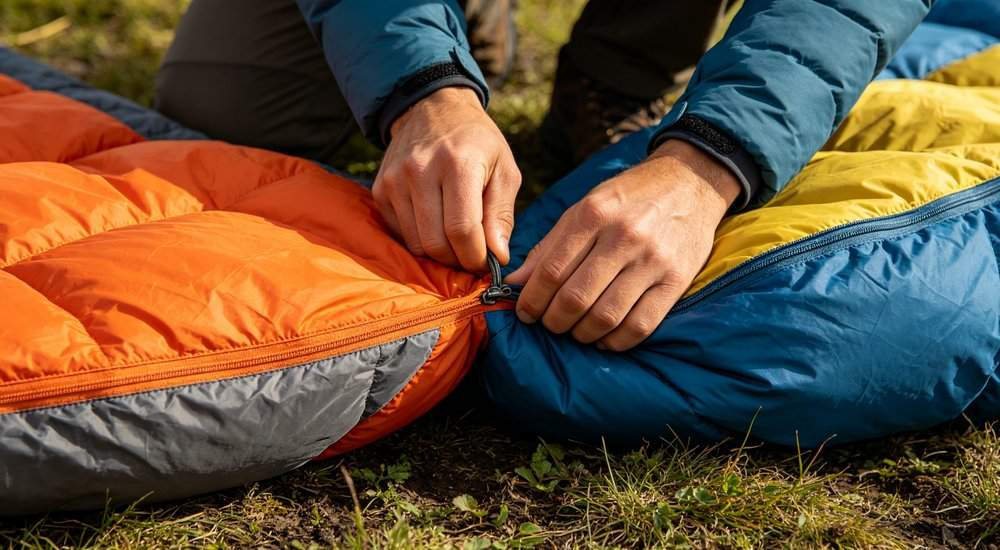
Left and right way is only the first condition. Tooth type, width, length, slider, start and stop position, installation way, and foot corner can all affect connection. Similar zippers may connect only partly or not at all. When ordering connectable systems, specify both left zip sleeping bag and right zip sleeping bag SKUs in balanced quantities.
Ask which left-opening product pairs with which right-opening product. Connect the samples from top to foot and separate them fully. Watch for snagging, tooth mismatch, fabric tension, and a gap near the foot.
Two-way operation, flat opening, and joining two bags are three different functions. Support for one function does not automatically provide the other two. The right zip sleeping bag must use identical zipper specifications as the left model for reliable pairing.

Different lengths can offset the top or foot. Different widths can move the centre connection, while different shapes can create gaps or twisting. A zipper can close even when the combined sleeping space remains unsuitable.
Start with two samples that share dimensions, shape, and zipper position. If mixed sizes are necessary, inspect the fully connected top, centre line, foot, and side edges.
The total connected width must also fit the cot, wide mattress, or floor area while keeping aisles clear. The ability to connect does not prove that the set works in the planned layout. Military sleeping bag contracts often require specific color standards and durability testing beyond commercial requirements.
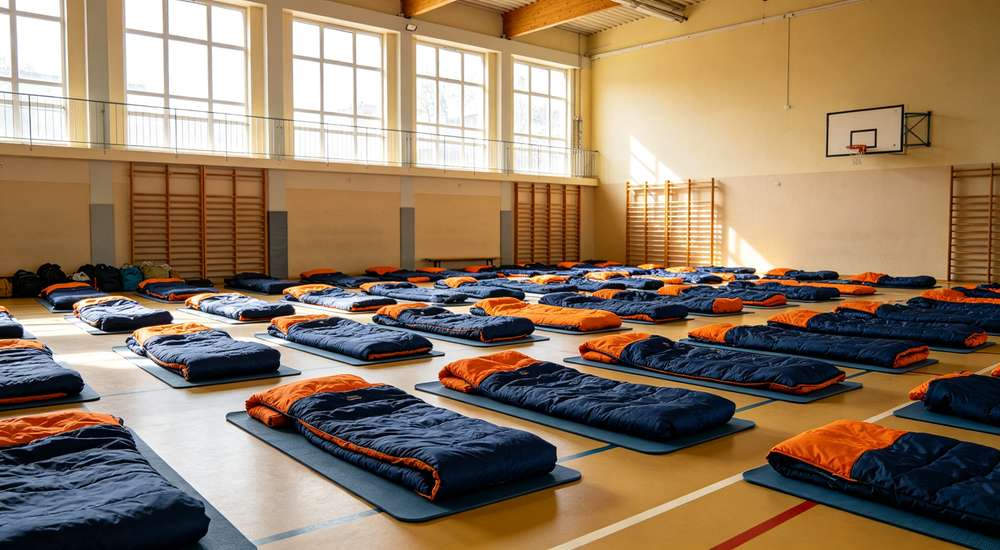
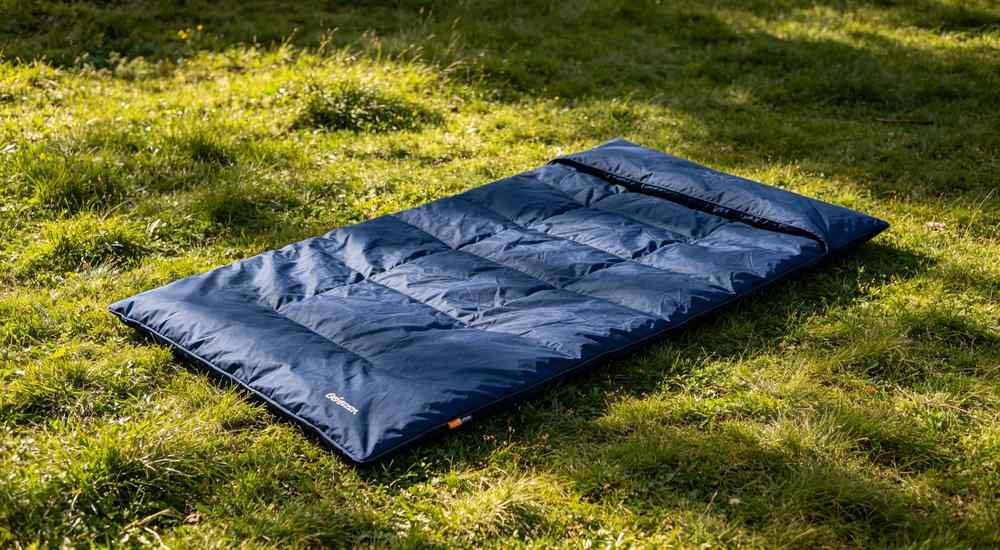
Two separate single bags may each fit a 75 cm cot, while a connected set needs one continuous wide platform. A bed frame, centre gap, or height difference can be uncomfortable and place extra tension on the joining zipper.
On a mattress or floor layout, check whether support, insulation, and moisture protection continue across the middle. Joining the upper sleeping bags does not remove a break in the platform below.
Place the samples on the complete planned platform. Ask two representative users to lie down, turn, sit up, and leave before accepting the width and centre connection. Refugee sleeping bag distributions typically prioritize compact transport volume and ease of cleaning in camp environments.
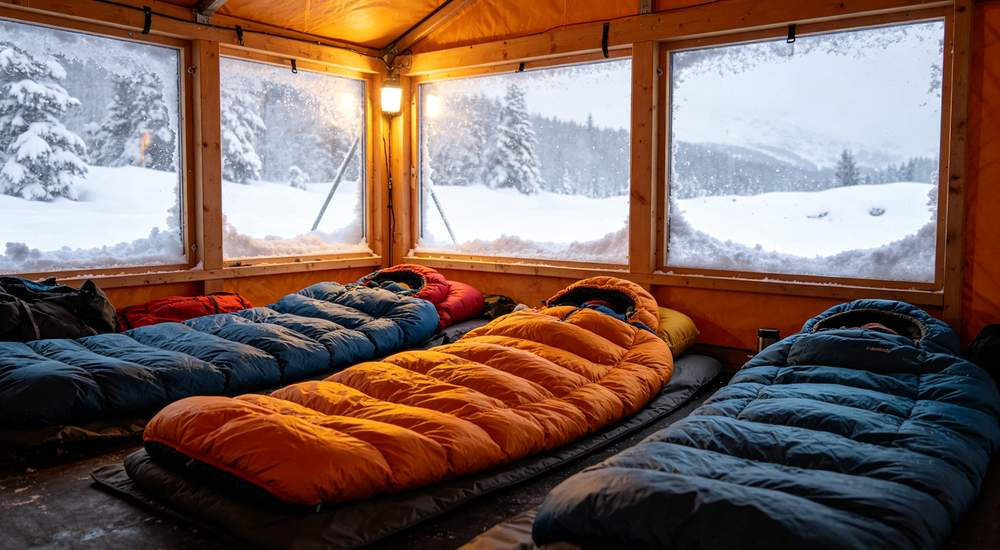
Connection changes internal volume, top openings, the centre zipper, and space between two users. Shared body heat may not offset the additional gaps. The connection feature itself does not prove greater warmth.
Temperature information for one closed bag applies to its stated sleeping bag materials, dimensions, sleeping bag filling, and construction. Do not calculate a new figure for the combined state when relevant information is unavailable.
Cold projects should also check shelter, insulation below the users, normal clothing, and connected openings. When the connected state remains unclear, separately documented single configurations may be the safer comparison. Zip together sleeping bag systems are popular among rental companies and outdoor tour operators who need flexible sleeping arrangements. The sleeping bag filling material determines both the warmth-to-weight ratio and the product price point. The sleeping bag zipper quality directly affects product lifespan and user satisfaction.
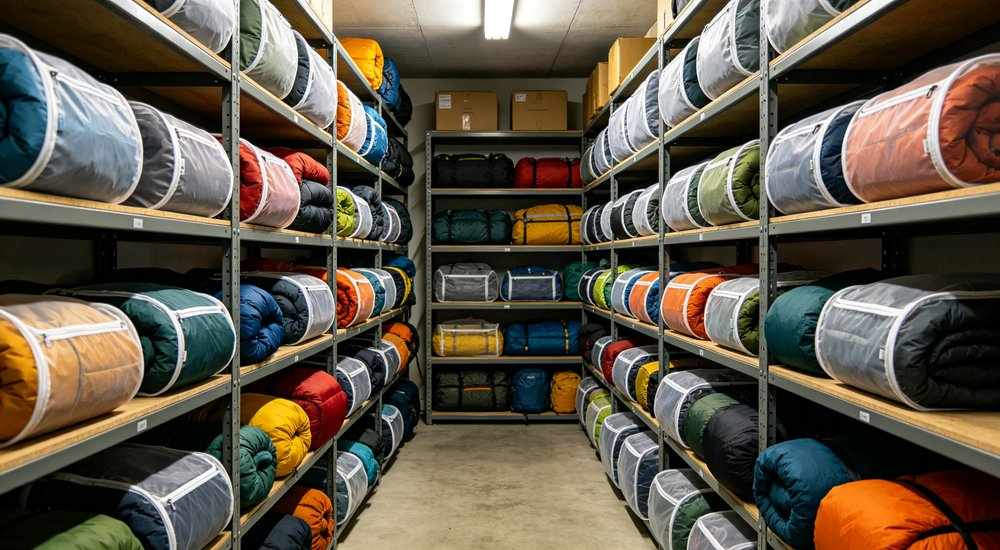
Connection adds value only when both products remain practical as single bags. Zipper way, double sliders, or joining details should not make personal entry, closure, or ventilation difficult.
Test left-opening and right-opening samples separately. Check whether a lying user can reach the slider, the sleeping bag lining snags, the top has unnecessary gaps, and the foot stays aligned when fully closed.
When connection is occasional and single use is normal, prioritise single-person comfort and operation. Treat joining as the secondary function.

The quotation and packing description should state left opening, right opening, dimensions, colour, and compatible partner in plain language. Internal codes alone should not identify the customer-facing product.
For 10 connected sets, confirm whether the quantity means 10 left-opening and 10 right-opening units. List separately any additional bags intended only for single use.
Repeat orders still need a zipper and dimension compatibility check against the earlier product. A shared product name does not guarantee that later units will connect automatically.
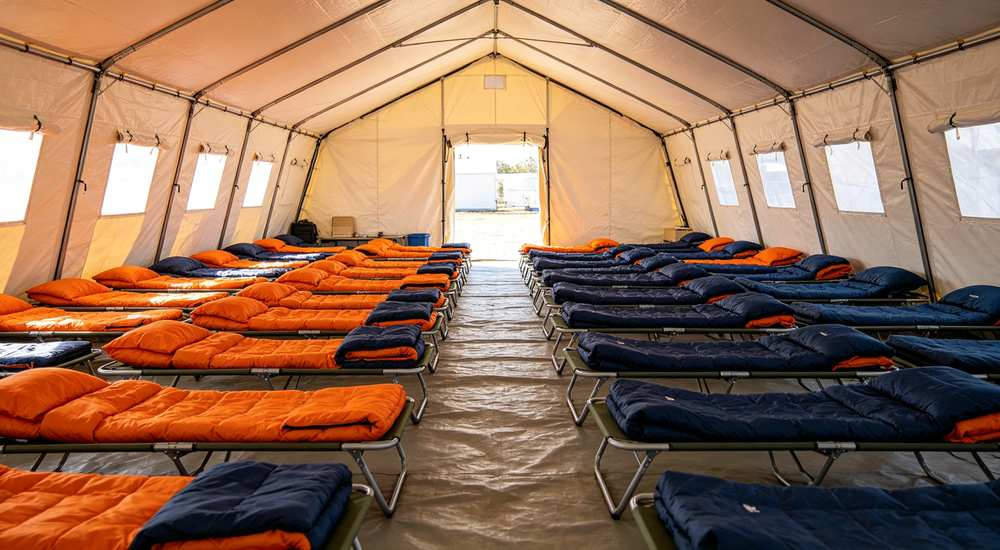
Use at least one left-opening and one right-opening sample. First test personal entry, closure, turning, exit, and repacking. Then connect the full zipper length instead of testing only a few centimetres at the top.
Inspect the top opening, centre zipper, foot alignment, side width, platform fit, and user movement. Separate the bags, close each one again, and return them to their storage bags.
Samples confirm dimensions, connection, and normal operation. They do not show a temperature range or hidden materials by appearance. Keep the samples linked to the same material, filling, size, and packing description.
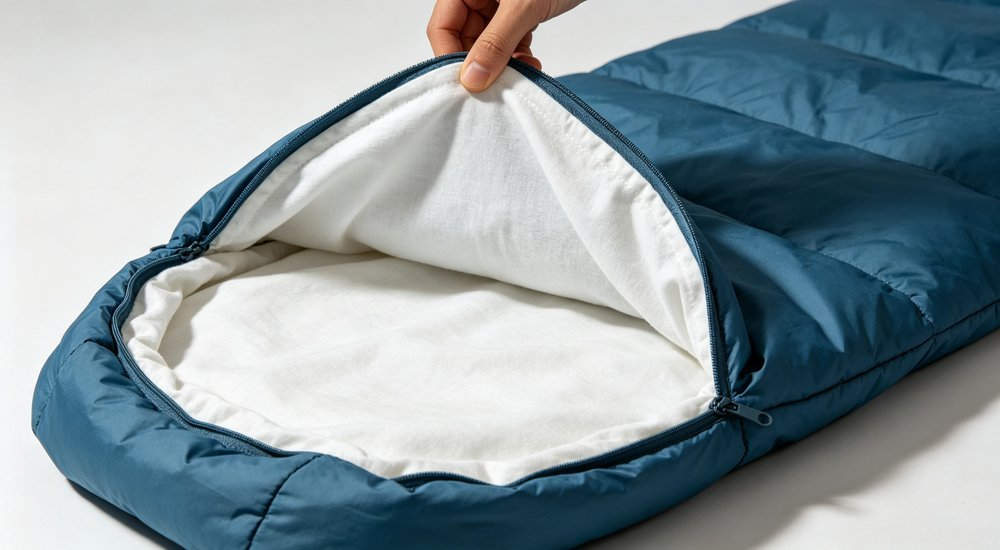
Zipper compatibility determines whether two bags can join, but similar coverage and feel also depend on shell, lining, filling, thickness, dimensions, and quilting. Different materials may still connect while giving each side a different result.
Current options can include a 170T polyester sleeping bag fabric shell, polyester lining, and hollow polyester fiber or feather-touch fiber filling. For planned long-term pairing, use the same complete setup on both sides instead of matching only the zipper.
When a project intentionally combines different thicknesses or sizes, state the reason and test both users in the real environment. Temperature or setup information from one side should not describe the complete set.
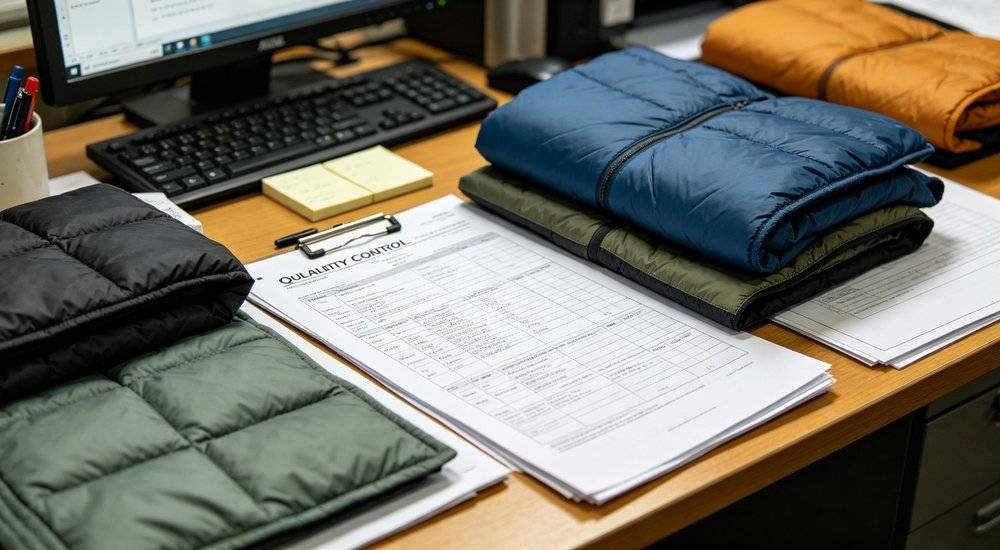
Flat opening spreads one envelope bag into a cover. Connection joins two compatible zippers to create a wider space. A two-person bag is one complete wider product.
Their centre structure, edge openings, and number of storage bags differ.
For cover use, check the dimensions, zipper hardware, and filling distribution of one open bag. For shared sleeping, check the combined platform, centre zipper, and movements of two users.
A bag that opens flat does not automatically connect to another bag. Two connected bags also do not automatically perform like one two-person product. Verify each function separately.
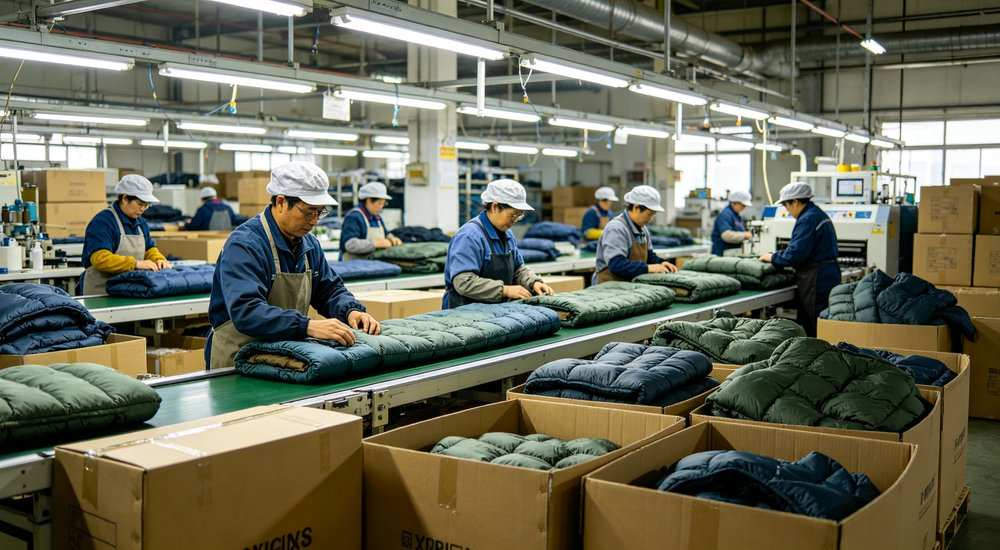
Paired bags may be used and cleaned at different times. Washing, drying, or long storage can affect connection when a zipper deforms, fabric changes, or filling distribution shifts.
Follow the care guidance for each material and filling. After full drying, connect the complete zipper again. Check teeth, slider, stitching, and the foot corner without forcing the closure.
Serious zipper damage, open seams, or contamination that cannot be removed may make one unit unsuitable for the pair. Judge the actual condition rather than relying only on a left or right label.

Choose single bags for rotating unrelated adults, rows of single cots, or narrow aisles. The project does not need a pairing requirement when no shared sleeping arrangement exists.
For a known number of family units with an accepted shared space and one continuous mattress, calculate the required connected pairs separately. Keep the remaining users on single bags instead of changing every unit.
When a project needs a fixed two-person space for long periods, compare one wider two-person bag with two connected bags. Review entry, centre connection, independent use, storage, and platform fit before choosing.
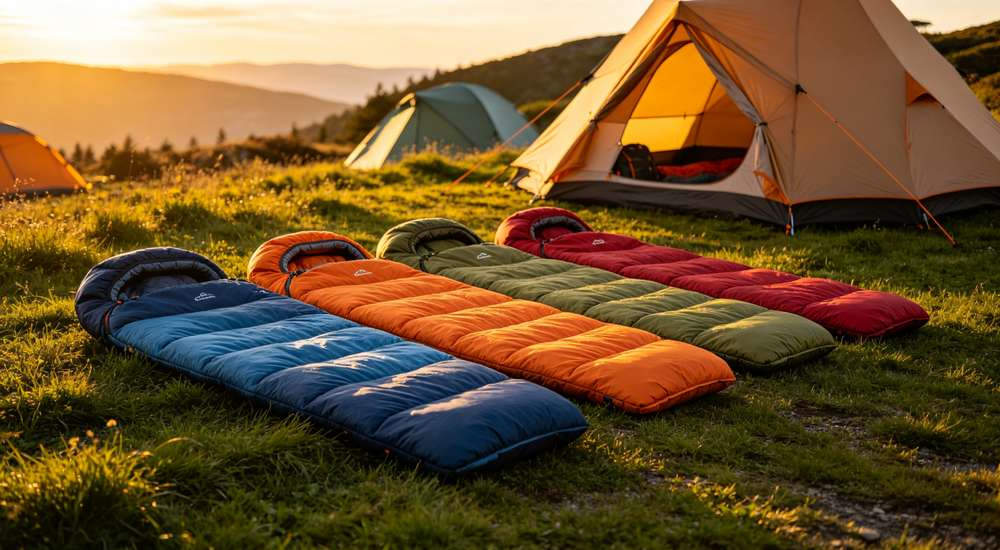
A completed zipper connection proves only that the two samples can join. It does not prove that the combined setup fits the intended use.
Place the samples on the planned mattress, cot or ground layer. Check total width, whether the centre connection affects lying positions, and whether openings and zipper pulls remain reachable from the users positions.
Ask two representative users to enter, turn, leave separately and reconnect the bags. If connection works only in one orientation, define left- and right-opening versions and paired quantities in the order.
The sleeping bag supplier should also state how dimensions, openings and packing differ between separate and connected use. This turns a compatibility label into an observable function.
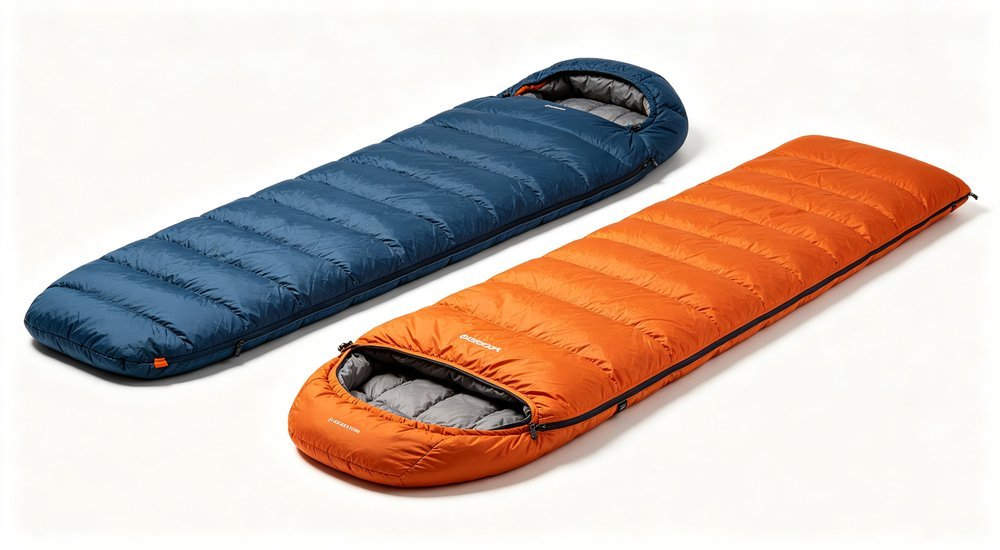
No. Zipper side, tooth type, width, length, slider, starting point, and installation position must work together. Two bags can look alike yet connect only partly or not at all.
Ask which left-opening and right-opening products form a pair. Join physical samples from the top to the foot, then separate and close each bag again. A zip-together label is unsuitable as the only proof of compatibility across sizes or later orders.
Keep the paired function connected to one exact construction.
Also place the sample on the intended bed and check entry, turning, and zipper operation.
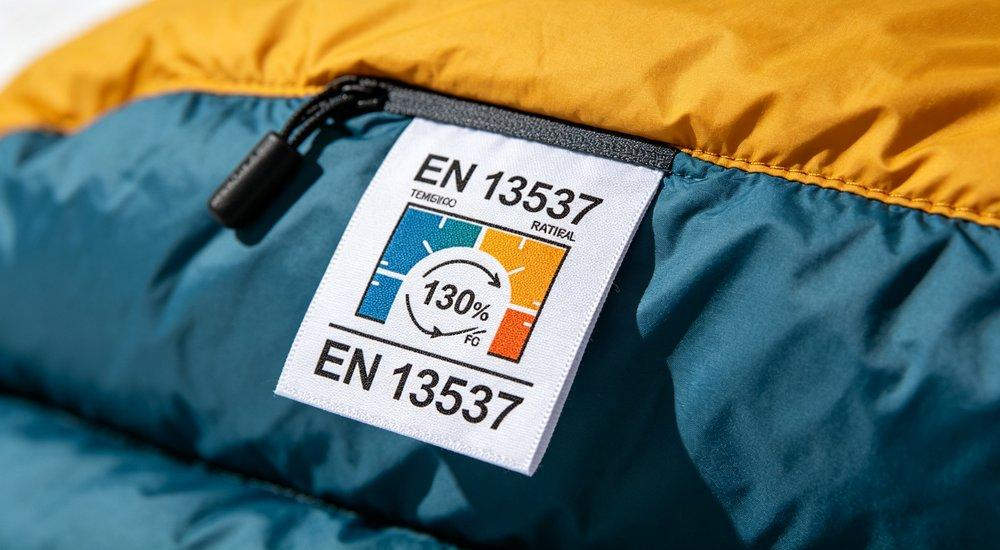
Usually not. Independent sleeping places, rotating users, privacy, and narrow layouts normally favour single bags. Connection adds value for defined family units, care arrangements, or another planned shared-cover need.
Confirm who will share the space and whether the platform is wide and continuous. If connected use represents only a small share, calculate those pairs separately. A feature without a named user and layout should not determine the whole order or make every unit depend on left-and-right pairing.
Before the final choice, connect two actual samples and check the joined dimensions, opening, and normal movement.

Not necessarily. Joining two bags changes internal volume, top openings, the centre zipper, and the position of both users. Shared heat may be offset by larger gaps or an unsuitable platform.
Temperature information for one closed single bag does not automatically describe the connected state. Review the shelter, insulation below the users, normal clothing, and exact joining structure. Do not calculate a new rating.
Where connected-state information is unavailable, compare the combination cautiously rather than presenting it as warmer.
Quotation and replenishment records should use the same left-right way and pairing identification.

Only when the exact zipper construction supports both functions. Some envelope bags can open flat, while others connect without forming one smooth cover. Test each bag fully open, both bags joined, and each bag closed again.
Check exposed zipper parts, edge alignment, usable dimensions, and whether the centre area lies normally. Flat-cover use changes the opening and insulation pattern, so a closed sleeping temperature statement should not be transferred. Treat flat opening and connection as separate features that each need confirmation.
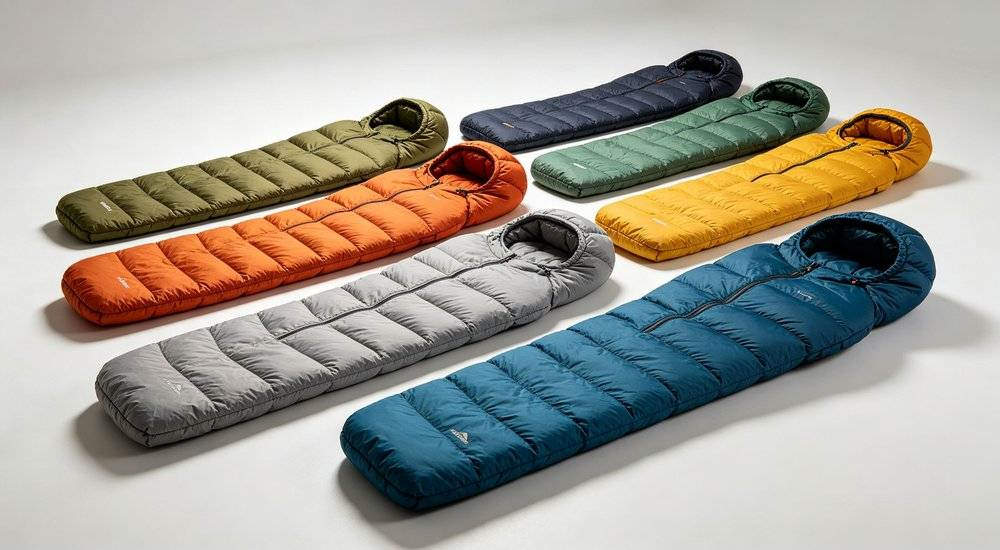
Base the quantities on the planned number of connected sets and the number used independently. Ten connected sets normally require 10 compatible left-opening and 10 compatible right-opening units. Additional single-use quantities can be listed separately.
State way, dimensions, colour, and compatible partner in the quotation and unit description. Repeat orders need the same zipper and size compatibility. A balanced quantity is unnecessary when the project never connects every bag, but too few of one way can reduce the usable number of pairs.
They may connect only when zipper construction and installation positions match, but the result can still be unsuitable. Different lengths create top or foot offsets. Different widths or shapes can move the centre line and leave gaps.
Start with equal dimensions and shapes. If mixed sizes are required, join complete samples on the real platform and inspect the top, centre, foot, and side edges. The fact that a zipper closes does not prove that two users have a safe, comfortable, and practical sleeping space.

It can. Zipper way, double sliders, and connection hardware may change how the bag opens and closes when used alone. Test each left-opening and right-opening unit separately.
Check whether a lying user reaches the slider, the lining snags, the top seals normally, and the foot remains aligned. Then repeat the test after joining and separating the pair. The function adds value only when both single and connected states suit the project.
Occasional joining should not make normal single-person use difficult.
Use plain descriptions such as left opening, right opening, dimensions, colour, and compatible partner. Keep the same description on the unit storage bag and carton information where required. Buyers should understand the pair quantities without opening every product or decoding an internal model number.
Separate single-use quantities from planned pairs in the quotation. This is suitable for clear purchasing and repeat orders. It is unsuitable to rely on colour alone when several dimensions or zipper constructions share the same colour.
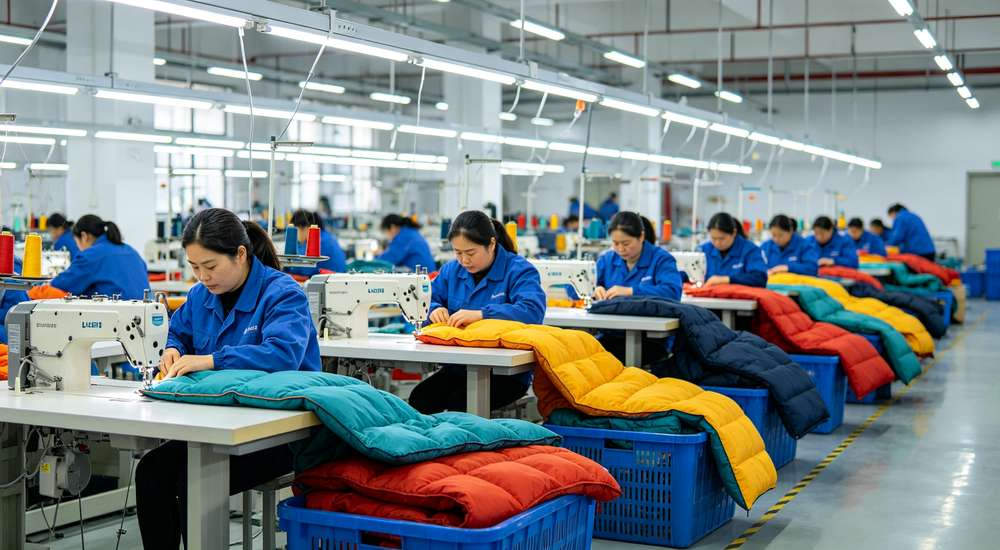
At least one genuine pair is needed: one compatible left-opening sample and one right-opening sample. A single sample can show personal fit but does not show the full connection. Test each unit alone and connect the full zipper on the actual platform.
Use the set with two representative users, then separate and repack both units. Confirm dimensions, shape, zipper, materials, filling, and storage description for that pair. A short connection at the top or a catalogue statement is insufficient for the full function.
Choose single bags when the project prioritises independent sleeping places, rotating users, privacy, simple quantities, narrow beds, or easy repeat ordering. They are also preferable when users are not defined as pairs or the site cannot maintain left-and-right compatibility. Single-person still requires suitable dimensions, filling, opening, and temperature information.
It simply removes an unnecessary connection dependency. Start with the main accommodation need and add joining only when a real family, care, or shared-cover condition gives the function a clear purpose.
For bulk sleeping bag orders, OEM sleeping bag custom sleeping bags, and wholesale sleeping bags pricing from a China manufacturer, contact our team to receive comparable configurations and China sleeping bag factory-direct quotes.
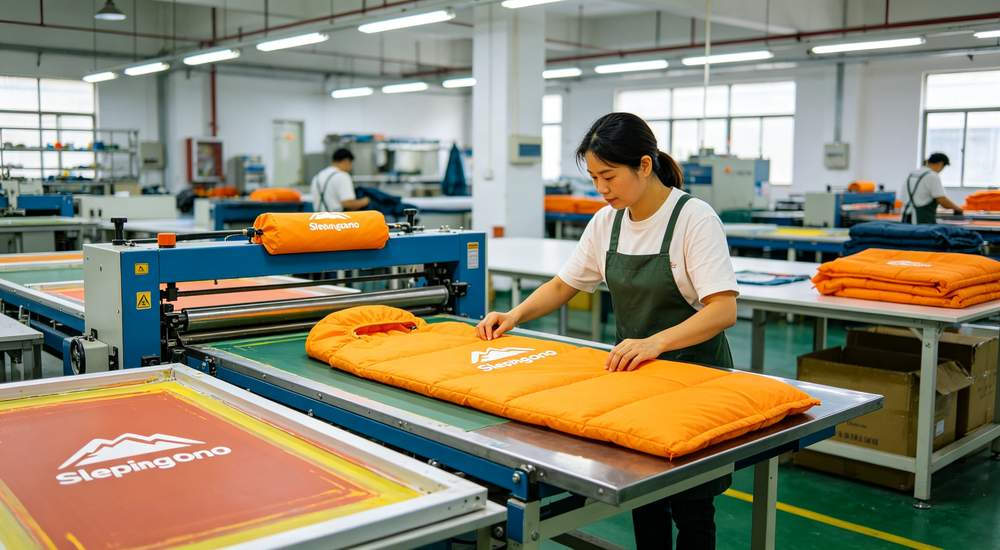
Get comparable configurations, bulk pricing, and OEM customization options from our factory.
When evaluating suppliers, consider their ability to provide ODM sleeping bag with consistent quality and competitive pricing.
When evaluating suppliers, consider their ability to provide private label sleeping bags with consistent quality and competitive pricing.
When evaluating suppliers, consider their ability to provide ISO certified sleeping bag with consistent quality and competitive pricing.
When evaluating suppliers, consider their ability to provide sleeping bag MOQ with consistent quality and competitive pricing.
When evaluating suppliers, consider their ability to provide sleeping bag quotation with consistent quality and competitive pricing.
When evaluating suppliers, consider their ability to provide sleeping bag delivery with consistent quality and competitive pricing.
When evaluating suppliers, consider their ability to provide sleeping bag export with consistent quality and competitive pricing.
When evaluating suppliers, consider their ability to provide sleeping bag durability with consistent quality and competitive pricing.

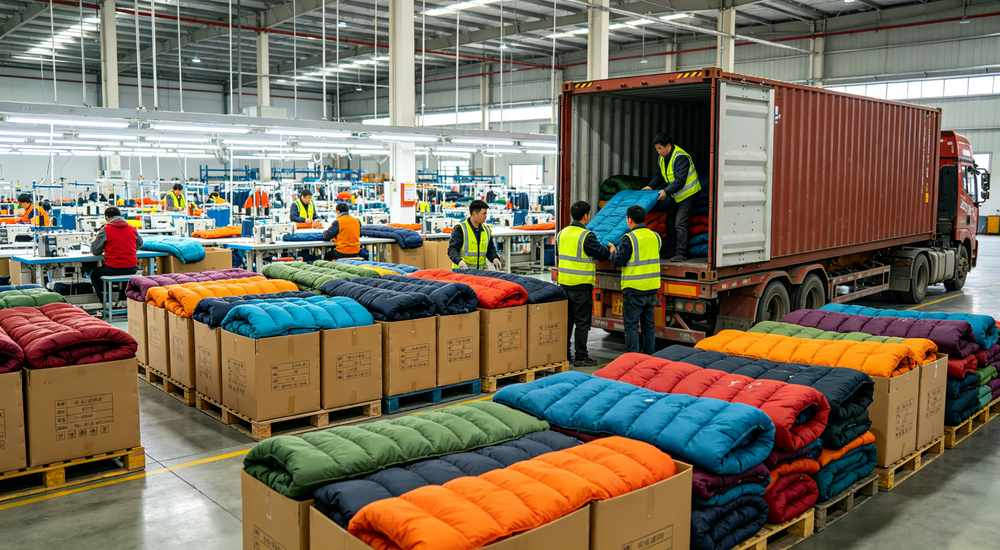
Selecting the right sleeping bag manufacturer and product setup requires careful evaluation of user needs, environmental conditions, and quality standards. A reliable China sleeping bag factory can provide custom sleeping bags, OEM sleeping bag services, and private label sleeping bags to meet your specific requirements.
Before placing bulk sleeping bags orders, buyers should verify sleeping bag quality control processes, BSCI sleeping bag certification, sleeping bag MOQ terms, and sleeping bag delivery schedules. Requesting a sleeping bag sample is the most reliable way to evaluate actual product quality, sleeping bag temperature rating, and sleeping bag durability before committing to large-volume procurement.
By working with an experienced sleeping bag supplier that understands institutional and emergency requirements, buyers can ensure consistent product quality, competitive wholesale sleeping bags pricing, and reliable long-term supply for their projects.
 |
 |
Pautan Mesra :
hak cipta © Custom Disaster - Relief Bedding: Tents, Sleeping Bags, Blankets Hak cipta terpelihara
pasukan profesional untuk perkhidmatan !