Kategori
USCG requires one wearable PFD per person on board. That is the legal minimum — but it is not what saves you when someone goes overboard in 10°C water 40 miles from shore. The Red Cross reports 84% of boating drowning victims were not wearing a life jacket. A PFD locked in a cabin is no better than none.
Commercial fishing boat owners, yacht skippers, and marina safety officers need marine safety equipment that survives salt spray, engine vibration, and UV. PFDs must be visible and accessible, life rafts must be serviced on schedule, and medical kits must stay dry in a storm. This guide covers boat safety equipment selection by vessel type, raft capacity, signaling, waterproof medical kits, and maintenance schedules, following NOAA ocean safety guidance.
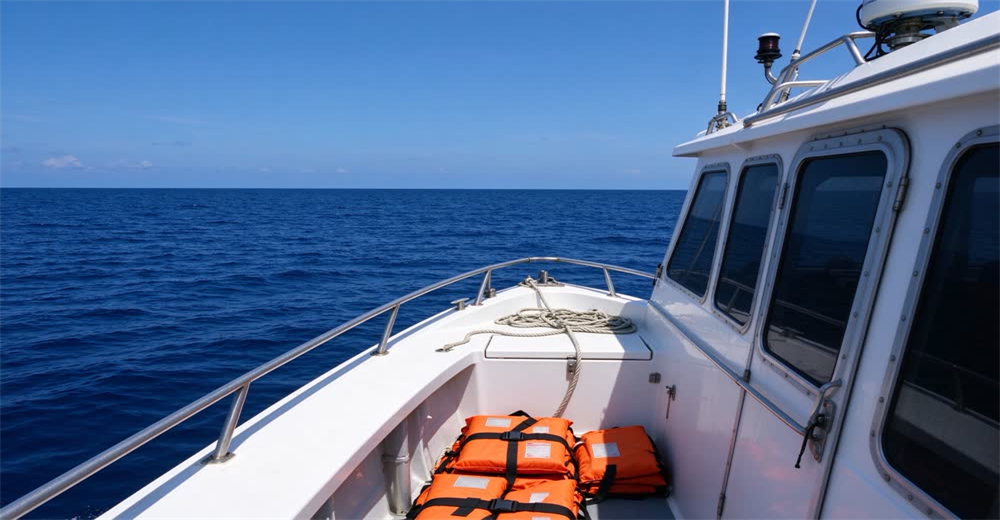
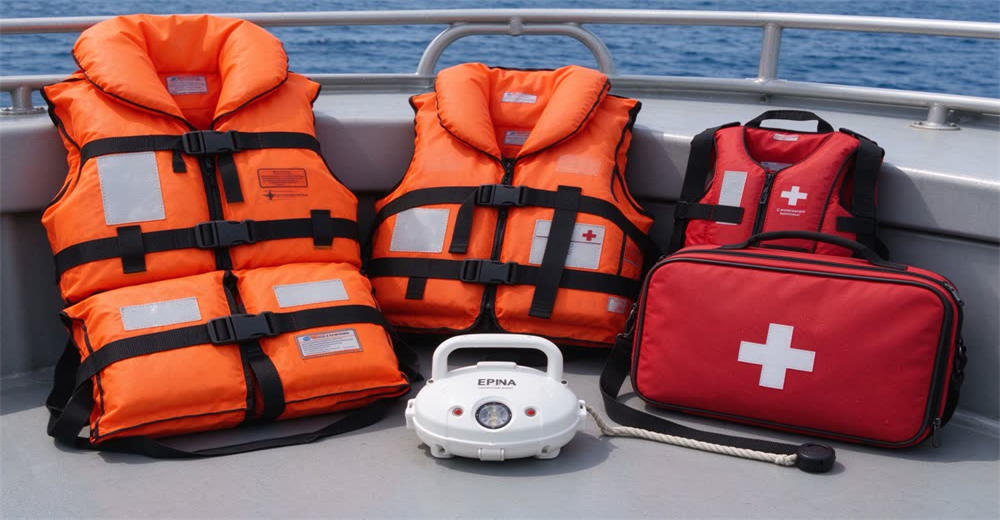
On land, a broken-down car means waiting for a tow. On the water, a disabled boat can drift into rocks, run out of fuel, or be swamped by a wave. Water conducts heat away from the body 25 times faster than air of the same temperature. A person in 15°C water loses consciousness in 2-4 hours and can die within hours. In 5°C water, survival is measured in minutes. This is why every piece of maritime emergency equipment is designed for one goal: keep people alive until help arrives.
Every maritime authority — the US Coast Guard, SOLAS for commercial vessels, and local coastal agencies — mandates specific safety equipment. Recreational boats under 6 meters need less; commercial passenger vessels need much more. Operating without required equipment can result in fines and, worse, leaves you unprotected in an emergency. Know your local regulations and equip your vessel accordingly. The USCG publishes clear requirements by vessel length and type.
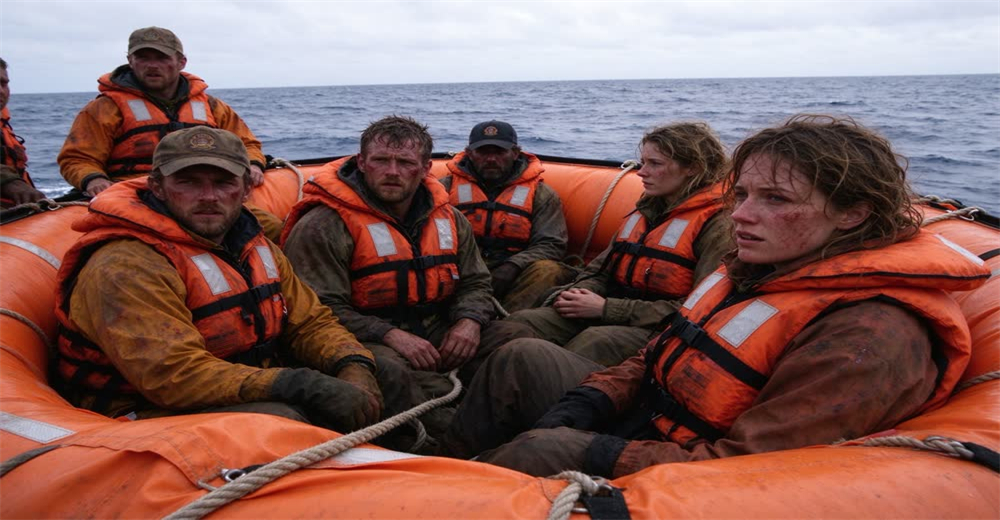
When someone falls overboard, the first few minutes determine survival. Within 10 minutes of entering cold water, a person starts to lose muscle control. Within 30 minutes, hypothermia sets in. Rescue by other vessels depends on how quickly the person is spotted and recovered. This is why bright, visible life jackets, throwable flotation, and signal equipment are not optional extras — they are the difference between a quick recovery and a fatality.
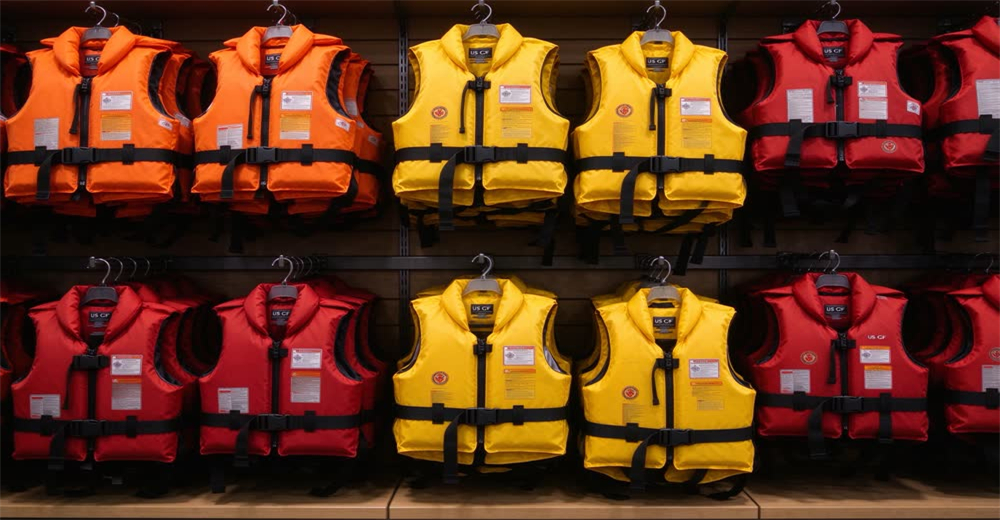
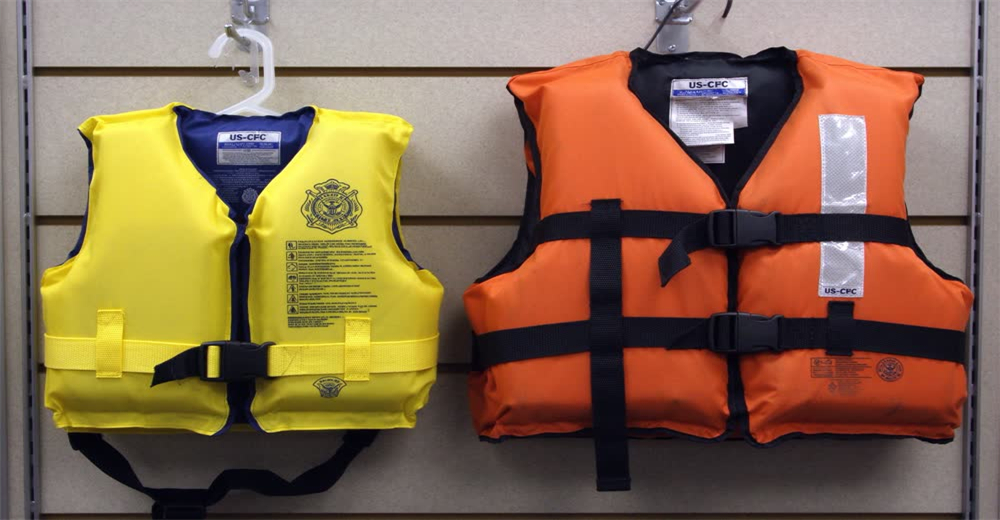
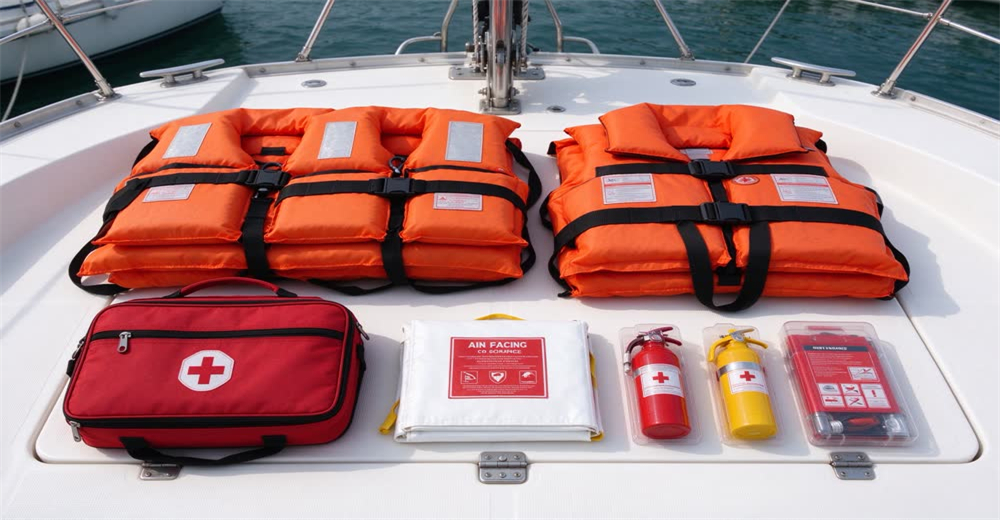
A life jacket (PFD) is the single most important piece of maritime safety equipment. Every person on board must have one that fits. There are three main types: Type I (offshore, maximum flotation, for rough water), Type II (near-shore, good flotation, more comfortable), and Type III (flotation aid, for active sports where comfort matters). We supply USCG-approved life jackets in all types, in adult and child sizes, at wholesale pricing. The key rule: a life jacket in the locker is useless. People must wear them — especially children, non-swimmers, and anyone on deck in rough weather.
Cold water fact: In 10°C water, survival without a PFD is 1-3 hours. With a properly worn PFD, it extends to 6+ hours — enough for rescue.
Common mistake: Storing life jackets in a locked cabin or lazarette. If you need them in a man-overboard emergency, they must be on deck and within arm's reach — not under a pile of gear in the hold.
Inflatable PFDs are comfortable to wear all day, which means people actually wear them. They automatically inflate when they hit the water, or can be manually inflated. They require regular inspection: the CO2 cartridge must be in date, and the oral inflation tube must work. For adults on recreational boats, inflatables are a good choice because comfort leads to compliance. For children, non-inflatable foam PFDs are safer because they do not rely on automatic inflation.
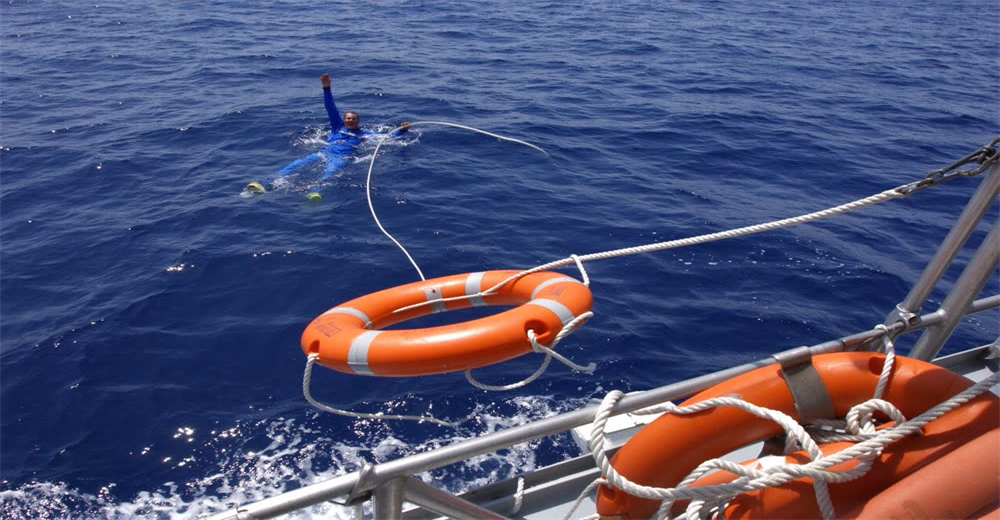
Every vessel needs at least one throwable PFD — typically a horseshoe buoy or ring buoy attached to a line. When someone falls overboard, you throw the ring to them immediately while you maneuver the boat. A throwable PFD is not a substitute for worn PFDs — it is a complement. Ring buoys should be mounted where they can be grabbed and thrown in seconds, not stowed in a locker.
|
PFD Type |
Flotation |
Best Use |
Who Wears |
|
Type I Offshore |
22N+ |
Open ocean, rough water |
All passengers on offshore vessels |
|
Type II Near-Shore |
15N+ |
Coastal, calm water |
Recreational boaters |
|
Type III Flotation Aid |
15N |
Water sports, active use |
Skilled swimmers, paddle sports |
|
Throwable Ring Buoy |
— |
Man overboard |
Mounted on deck |
Table: PFD types. Worn PFDs save lives; throwable buoys help in man overboard situations. One type does not replace the other.
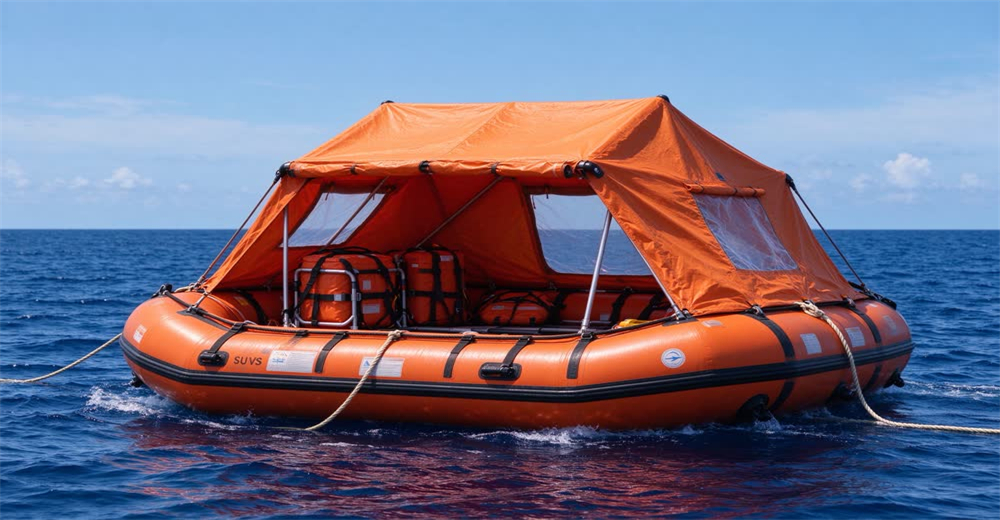
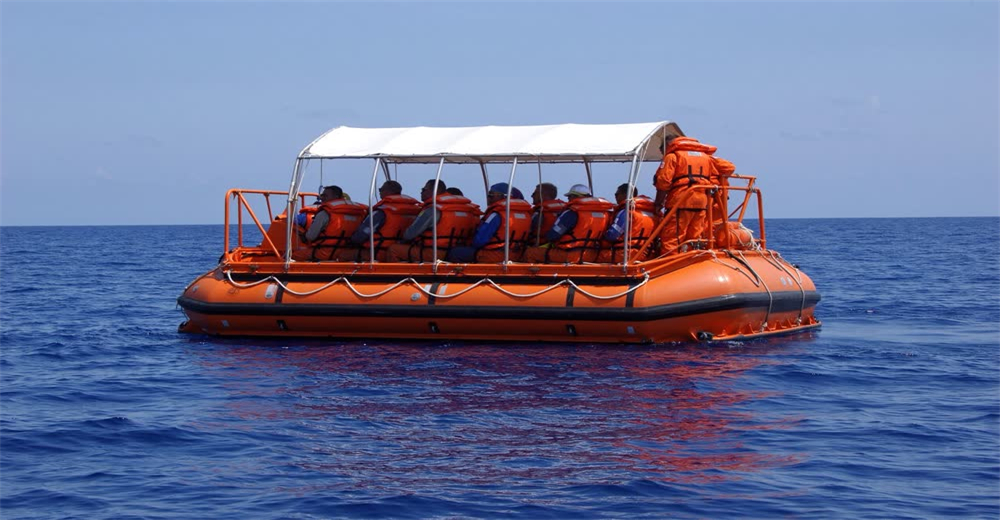
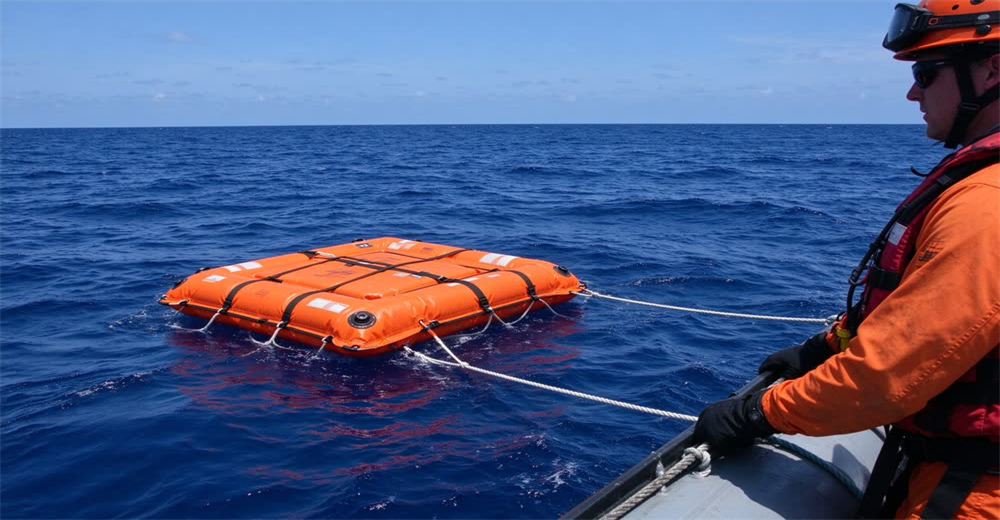
For vessels going offshore, a life raft is non-negotiable. An offshore-rated life raft carries the entire crew, has a spray shield, a survival pack, and can self-right if it flips. Life rafts are high-value equipment — a 12-person raft costs several thousand dollars — but they are the difference between floating and drowning when the ship sinks. We supply SOLAS-grade life rafts and coastal-rated rafts at wholesale pricing, with annual servicing arrangements.
EPIRB fact: An EPIRB activated offshore is detected by satellite within 10 minutes. Rescue coordination begins within 30 minutes of signal receipt.
Most coastal rafts are throw-overboard: they are packed in a canister mounted on deck. When needed, you cut the tie-down, throw the canister over, and the raft inflates automatically. The key practice: everyone on board must know where the raft is and how to release it. A drill before every offshore passage is the only way to make sure the raft gets used correctly under stress.
Once in the water, climbing back onto a boat is hard — the hull is high and slippery. A boarding ladder or rope ladder is essential. For larger vessels, a rope scramble net allows crew to climb back aboard. We supply emergency boarding ladders and rope nets at wholesale pricing. This is a low-cost item that prevents exhaustion and drowning after a man overboard recovery.
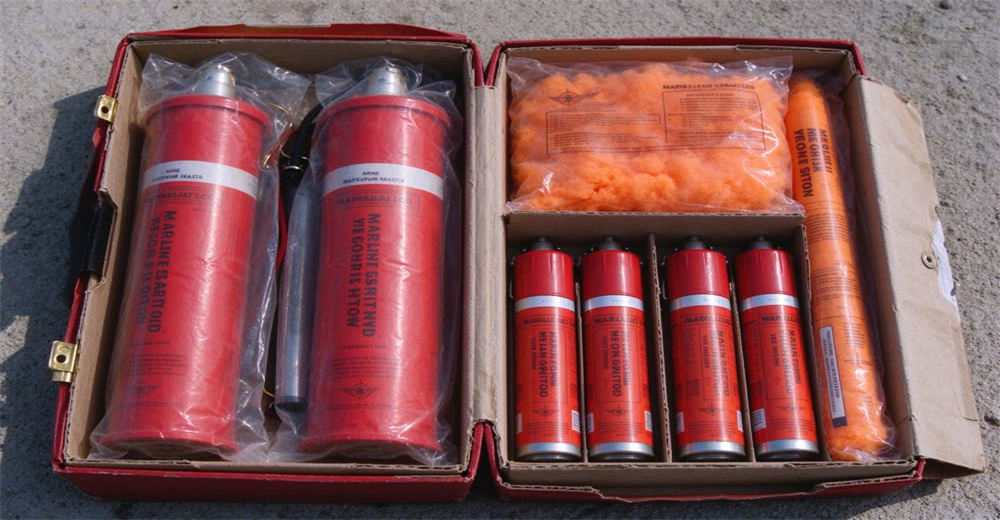
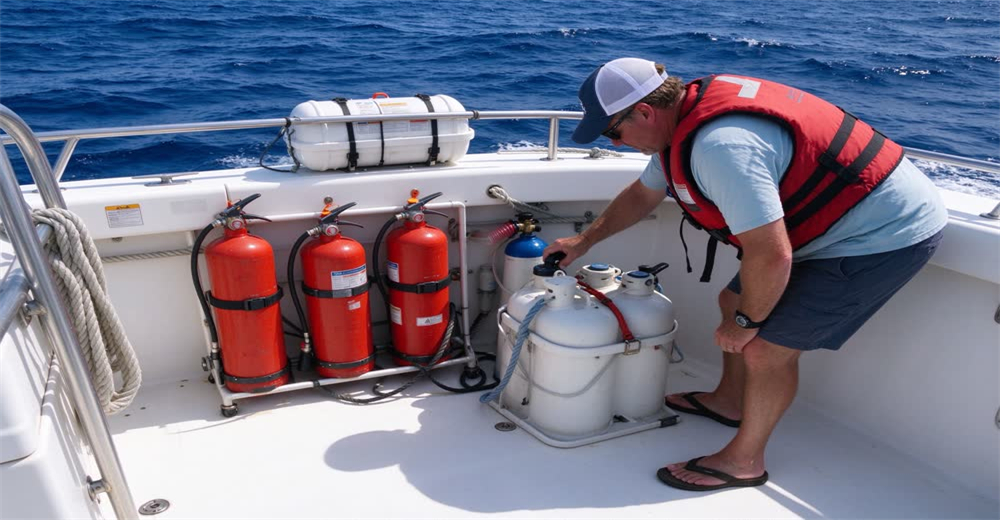
If you need help, someone has to see you. Coastal boats carry day signals (orange smoke flares) and night signals (red hand flares). Offshore boats add rocket parachute flares that reach 300 meters and are visible for 10+ kilometers. Signals have expiration dates — expired flares are unreliable and may not ignite. Replace them on schedule. We supply USCG-approved signal flare kits at wholesale pricing, packaged in waterproof canisters.
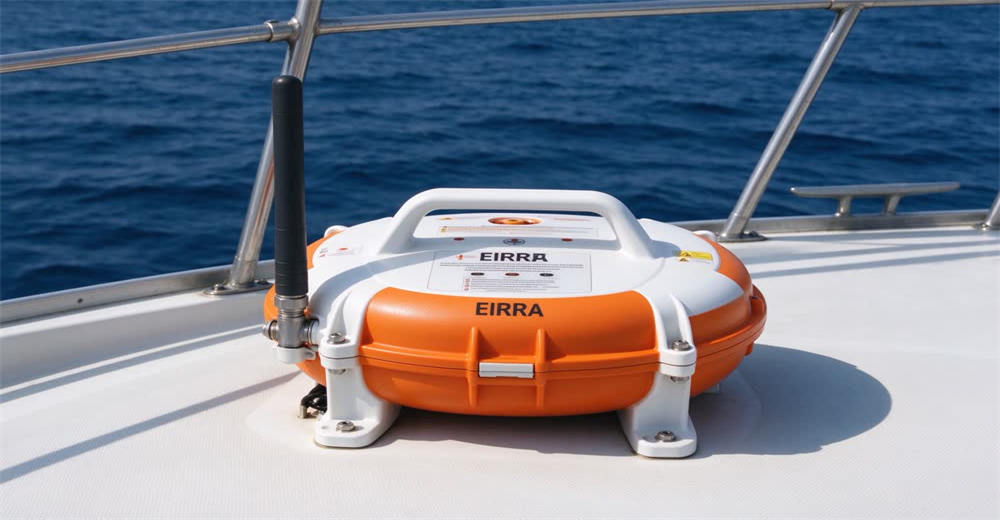
An EPIRB (Emergency Position Indicating Radio Beacon) is a satellite-connected transmitter that broadcasts your exact GPS position to rescue coordination centers worldwide. When activated — manually or automatically when it hits water — it tells rescuers exactly where to find you. This is high-value but essential equipment for any offshore vessel. We also supply personal locator beacons (PLBs) that individual crew can carry. The USCG strongly recommends EPIRBs for all offshore vessels.
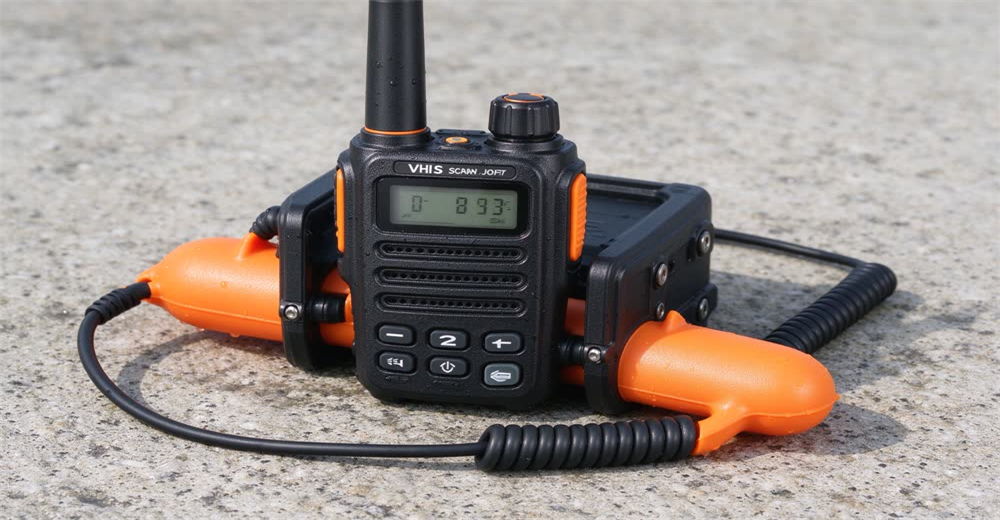
A VHF marine radio is your primary communication on the water. Channel 16 is the international distress calling channel. Every vessel should carry a fixed-mount VHF, plus a handheld waterproof VHF as backup. Cell phones do not work offshore, and even near shore they are not waterproof. A VHF is the reliable way to call for help. We supply waterproof handheld VHF radios at wholesale pricing, with long battery life and floating design.
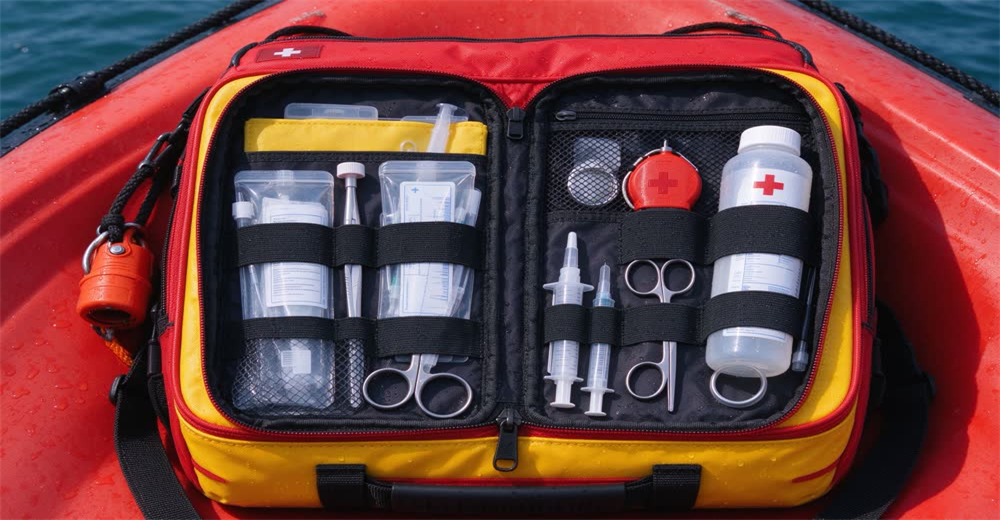
On the water, help is hours away. A standard dry-land first aid kit will not survive a wet boat deck. A marine first aid kit must be waterproof, compact, and organized so you can find the right item in seconds. It should include trauma supplies (bandages, dressings, gloves), seasickness medication, burn care, and a CPR mask. We supply waterproof marine first aid kits at wholesale pricing, in durable hard cases that float if dropped overboard.
Boat injuries include cuts from rigging, burns from cooking, and fractures from falls in rough seas. Every marine first aid kit should include: sterile dressings, conforming bandages, triangular bandages, trauma shears, nitrile gloves, antiseptic wipes, and pain relief. For larger vessels, add a fracture splint and a stretcher. We can build custom marine first aid kits to your vessel size and crew list.
Sun and heat are constant on the water. Every boat should have sunblock, wide-brim hats, and a first aid kit with burn gel. Reflective water amplifies UV exposure — sunburn happens even on cloudy days. We supply after-sun care and burn dressings as part of our marine kit range.
Critical insight: A first aid kit in a paper box is useless on a boat. It must be waterproof, floatable, and organized. Check contents every season — sea air corrodes metal and dries out adhesives.
Cold water is the silent killer. Even in relatively mild 15°C water, a person loses body heat rapidly. The body's first reaction is cold shock — gasping, hyperventilation, and possible heart attack. After that, swimming ability degrades within 10 minutes. Survival time in 5°C water is 1-3 hours; in 15°C, 3-12 hours. The single best thing you can do is stay dry and stay in the boat.
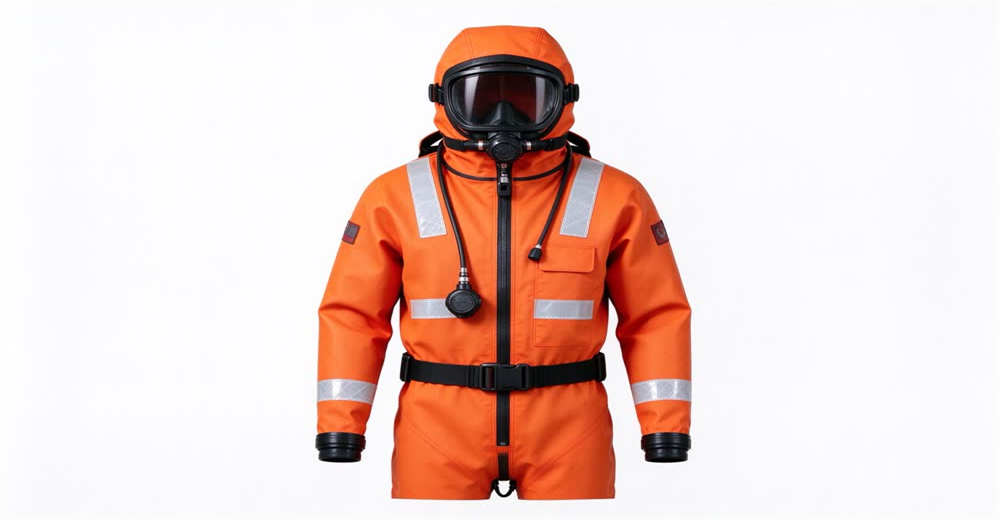
For work boats and commercial vessels operating in cold water, immersion suits are mandatory. These one-piece neoprene suits cover the whole body, including a hood, and provide hours of thermal protection in cold water. We supply USCG-approved immersion suits at wholesale pricing, in adult and child sizes. They are bulky but they are the difference between minutes and hours of survival.
Once recovered from the water, a person needs immediate thermal protection. Emergency survival blankets — foil-coated, waterproof, compact — trap body heat. Every boat should carry several. For longer survival in a life raft, a spray shield and insulated floor reduce heat loss. We supply both emergency foil blankets and expedition-weight survival blankets at wholesale pricing.
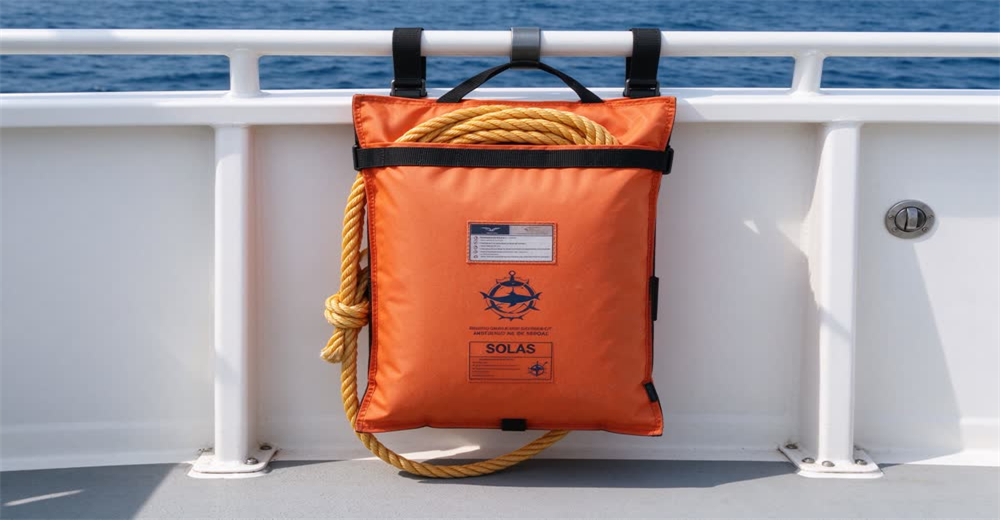
A throw bag — a floating line packed in a buoyant bag — is the fastest way to reach someone in the water. You throw the bag to them, they grab the line, and you pull them back. It is lighter and easier to deploy than a ring buoy. Every small boat should have a throw bag within arm's reach of the helm. We supply floating throw bags at wholesale pricing, in high-visibility orange.
A man overboard pole (MOB pole) with a Dan buoy marks the spot where someone fell. The pole is 2-3 meters tall with a bright flag and light, so you can see the position even if the current drifts you away. On larger vessels, an MOB pole is mounted where it can be released instantly. This is essential for recovering a person who has drifted from the fall position.
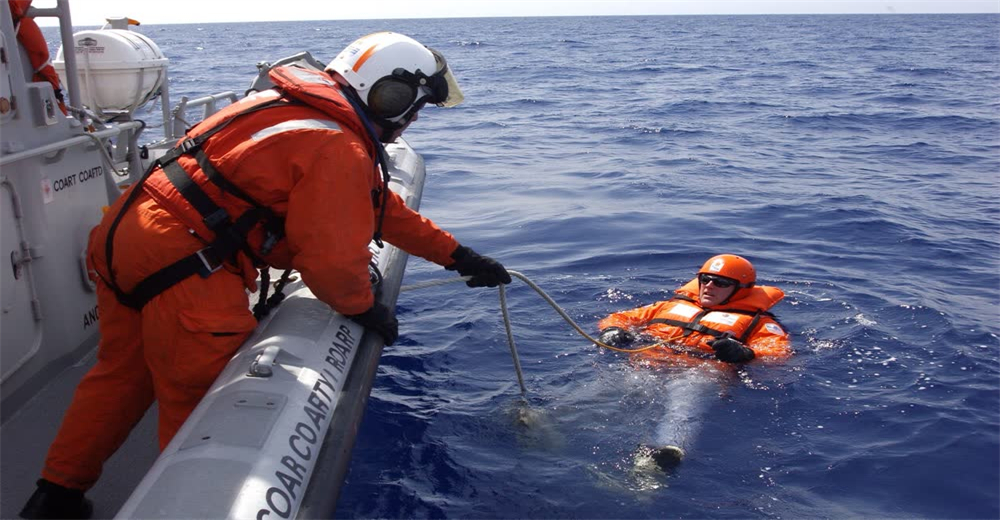
Getting an exhausted person out of the water is physically hard. A boarding ladder helps the person climb up; a recovery sling or stirrup lets the crew lift them aboard. Practice this before you need it — trying to pull a 80kg wet person over the gunwale without practice is a recipe for another man overboard.
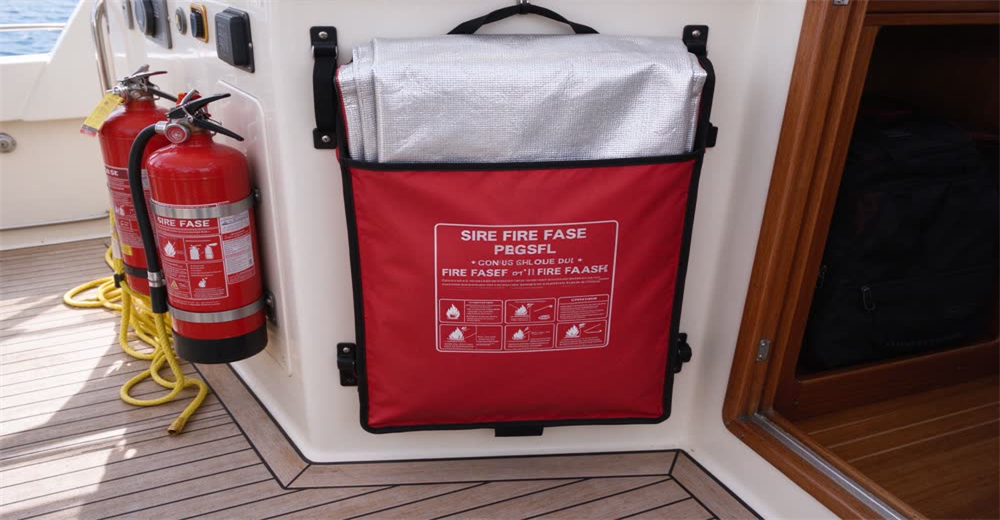
Engine room fires and cooking fires are real risks on any vessel. Every boat should carry marine-grade fire blankets for galley and engine room fires. We supply marine fire blankets at wholesale pricing, packed in quick-access bags near the galley and engine room.
A fire blanket is the safest way to put out a cooking oil fire — smother the fire instead of throwing water. Every galley should have a fire blanket mounted within arm's reach of the stove. We supply EN 1869-certified fire blankets at wholesale pricing, in wall-mounted quick-release cases.
|
Equipment |
Small Boat (under 6m) |
Day Boat (6-12m) |
Offshore Vessel |
|
Worn PFDs |
1 per person |
1 per person |
1 per person |
|
Throwable PFD |
1 |
1 |
2 |
|
VHF radio |
handheld |
fixed + handheld |
fixed + DSC + satellite |
|
EPIRB |
recommended |
required offshore |
required |
|
Signal flares |
day signals |
day + night |
full SOLAS set |
|
First aid kit |
basic waterproof |
marine trauma kit |
expanded medical kit |
|
Fire blanket |
1 B-I |
2 B-I |
multiple, engine room |
|
Life raft |
not required |
recommended |
SOLAS-rated |
|
Throw bag |
1 |
2 |
4+ |
Table: Equipment by vessel size. Smaller boats need the basics; offshore vessels need full SOLAS-grade safety equipment.
Maritime safety equipment only works if it is maintained. Check monthly: PFDs for tears and straps, fire blanket condition, VHF battery, first aid kit contents, and expiration dates on flares. A 10-minute monthly check prevents a dead EPIRB battery in an emergency.
Life rafts need annual professional servicing: inflation test, CO2 cartridge replacement, and repacking. EPIRBs need battery replacement every 5-7 years. Immersion suits should be inspected for cracks. Keep a maintenance log — it is required for commercial vessels and good practice for recreational boats.
Equipment without practice is half-useless. Every crew member should know: where the PFDs are, how to deploy the life raft, how to use the VHF, where the first aid kit is, and how to throw a man overboard line. Run drills at the start of every season. The American Red Cross recommends regular drills for all boat operators.
|
Item |
Small Boat |
Passenger Vessel |
|
Adult PFDs |
4 |
per passenger count |
|
Child PFDs |
2 |
as needed |
|
Ring buoys |
1 |
4+ |
|
Throw bags |
1 |
4 |
|
Handheld VHF |
1 |
2+ |
|
Signal flare kit |
1 set |
2 sets |
|
Waterproof first aid kit |
1 basic |
2 expanded |
|
Fire blanket |
1 |
4+ |
|
Fire blanket |
1 |
2 |
|
Thermal blankets |
4 |
20+ |
Table: Bulk marine equipment. PFDs and first aid kits are always in demand; flares and extinguishers must be in date.
A: Life jackets for everyone on board, a throwable PFD, fire blanket, sound device, navigation lights, and visual distress signals. Requirements increase with vessel size and operating distance.
A: One USCG-approved life jacket per person on board, that fits. Plus at least one throwable ring buoy. Children need properly sized child PFDs.
A: The life jacket. Drowning is the leading cause of boating death. Wearing a properly fitted life jacket dramatically improves survival.
A: Foam life jackets are maintenance-free and last 10+ years. Inflatable jackets are less bulky but need annual CO2 cylinder inspection and are not recommended for non-swimmers or children. For commercial fishing crews, USCG-approved foam jackets are the standard.
A: Emergency Position Indicating Radio Beacon. It broadcasts your exact GPS position to rescue authorities when activated. Essential for offshore vessels.
A: Get out of the water if possible, keep clothes on, assume the HELP position to reduce heat loss, and stay still. Hypothermia is the main danger.
A: Coastal boats need day and night hand flares. Offshore boats need rocket flares, smoke signals and SOLAS-rated sets. Flares expire — replace on schedule.
A: A waterproof marine first aid kit with trauma supplies, bandages, burn care and a CPR mask. Standard dry-land kits are not waterproof and will fail on a boat
A: Foam PFDs don't expire but must be inspected for tears. Inflatable PFDs need CO2 cartridges replaced on schedule. Sun and heat degrade all PFDs over time.
A: Have a throwable PFD, a throw bag with line, and a boarding ladder. Practice man overboard drills before you need them.
A: At minimum before every season: check straps, buckles, fabric for UV damage, and CO2 cylinder gauge for inflatables. Replace any jacket with cracked foam, broken zippers, or faded fabric. Most foam jackets last 10 years if stored dry and out of direct sun.
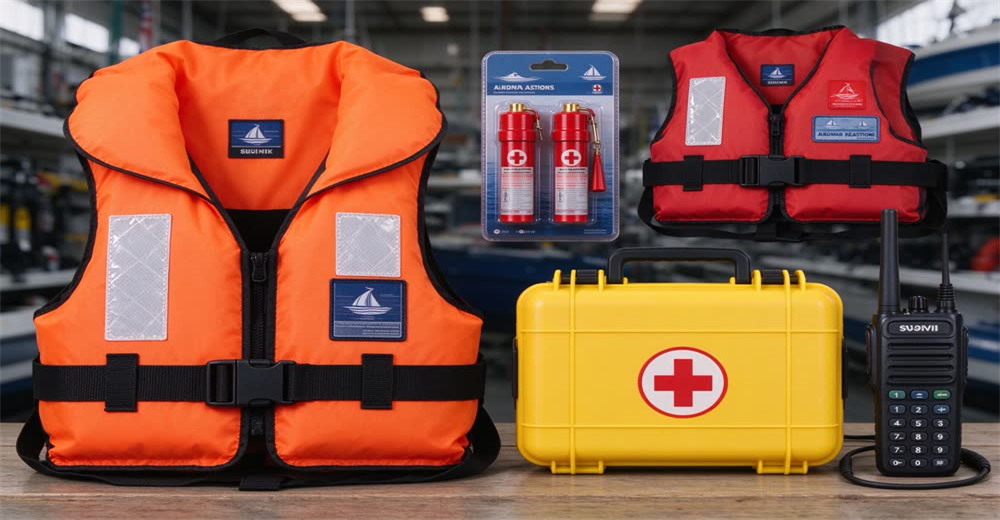
Start by assessing your actual risk exposure and equipment gaps. We are a China-based supplier of emergency response equipment. Contact us for wholesale pricing and equipment recommendations.
Pautan Mesra :
hak cipta © Custom Disaster - Relief Bedding: Tents, Sleeping Bags, Blankets Hak cipta terpelihara
pasukan profesional untuk perkhidmatan !