×
masukkan kata kunci anda
Flu Emergency Kit: Complete Influenza Preparedness Guide for Households & Organizations
- 2026-10-24 15:41:04
Updated: October 25, 2026 | By YRF Emergency Supplies Team | Reviewed by Former Public Health Emergency Response Coordinator

Flu Emergency Kit: Complete Influenza Preparedness Guide for Households & Organizations


Every year, the CDC estimates seasonal flu causes 9-49 million illnesses, 400,000-800,000 hospitalizations, and 12,000-52,000 deaths in the United States alone. When flu season hits, pharmacies run out of supplies, online orders back up for weeks, and you're stuck sick at home with no tissues, no fever reducer, and no way to keep warm. That's what having the right home emergency supplies ready is for: having everything you need before the virus shows up at your door.
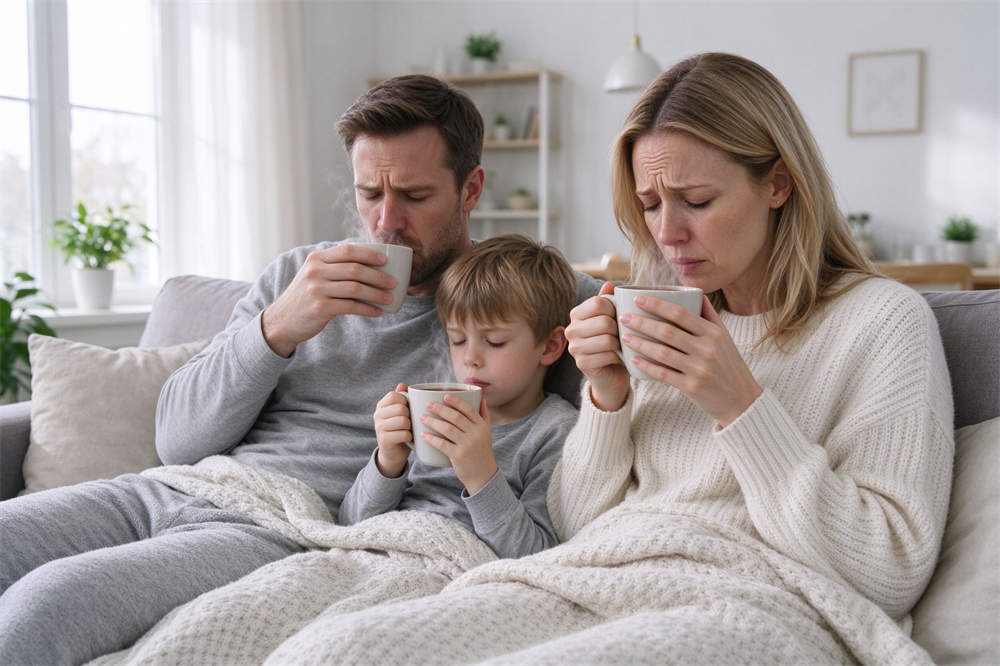


Flu season emergency kit family at home isolation, drinking warm water, influenza preparedness supplies for household health


Table of Contents


1. Why You Need a Flu Emergency Kit

2. Flu Emergency Kit Essentials: The Basics

3. Comfort & Recovery Supplies

4. Home Care & Isolation Supplies

5. Communication & Power Backup

6. Flu Kits for Schools, Offices, & Organizations

7. Common Flu Prep Mistakes to Avoid

8. How to Store & Rotate Your Kit

9. How to Choose a Flu Kit Supplier

10. Our Quality Promise

11. Final ThoughtsFAQ
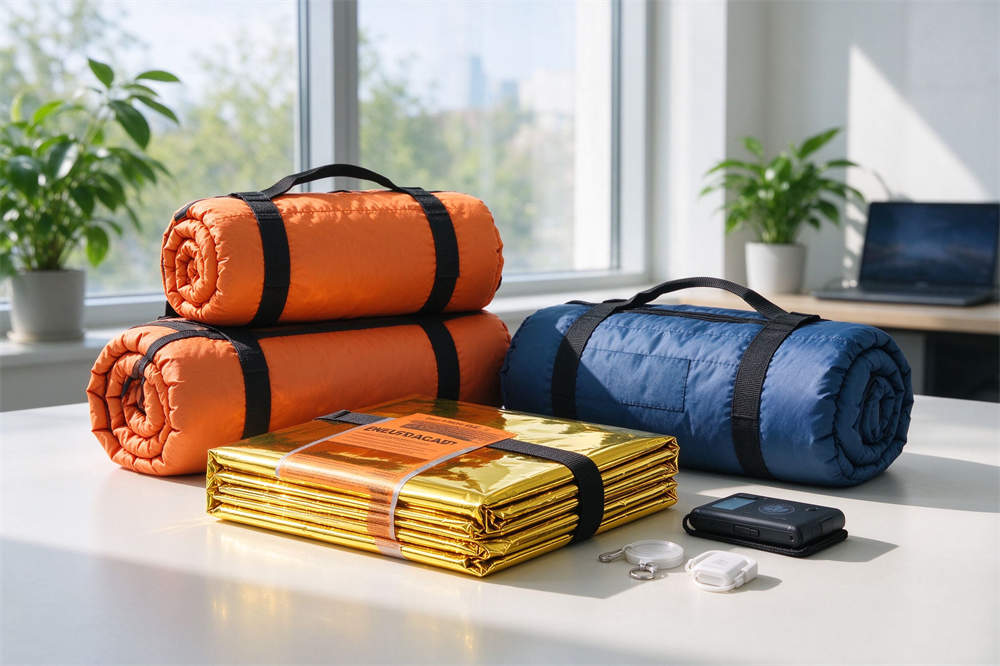


Influenza preparedness supplies: thick wool blankets and sleeping bag on windowsill, comfort items for home isolation recovery


1. Why You Need a Home Emergency Kit for Flu Season

The flu isn't just a bad cold. According to the WHO influenza emergency guide, seasonal flu causes 3-5 million cases of severe illness globally each year, and up to 650,000 respiratory deaths. The American Red Cross flu preparedness guide recommends every household have a 14-day emergency kit before flu season begins. During a pandemic—like we saw in 2009 and 2020—hospitals get overwhelmed, supply chains break, and people can't get the supplies they need when they need them.


Even in a normal flu year, when half your neighborhood gets sick at once:

  • Pharmacies run out of fever reducers and tissues
  • Online delivery times stretch from 2 days to 2 weeks
  • Your kid's school closes for 2-3 weeks
  • You're too sick to get out of bed to go to the store


A home emergency kit for flu isn't about being paranoid—it's about being ready. When you're coughing so hard you can't stand up, the last thing you want to do is drive to the pharmacy. Having supplies already at home means you can rest, recover, and not spread the virus to your neighbors.


Pro Tip: The CDC recommends everyone have a 14-day supply of essential medications and supplies at home. That's how long it can take for supply chains to recover after a major outbreak.
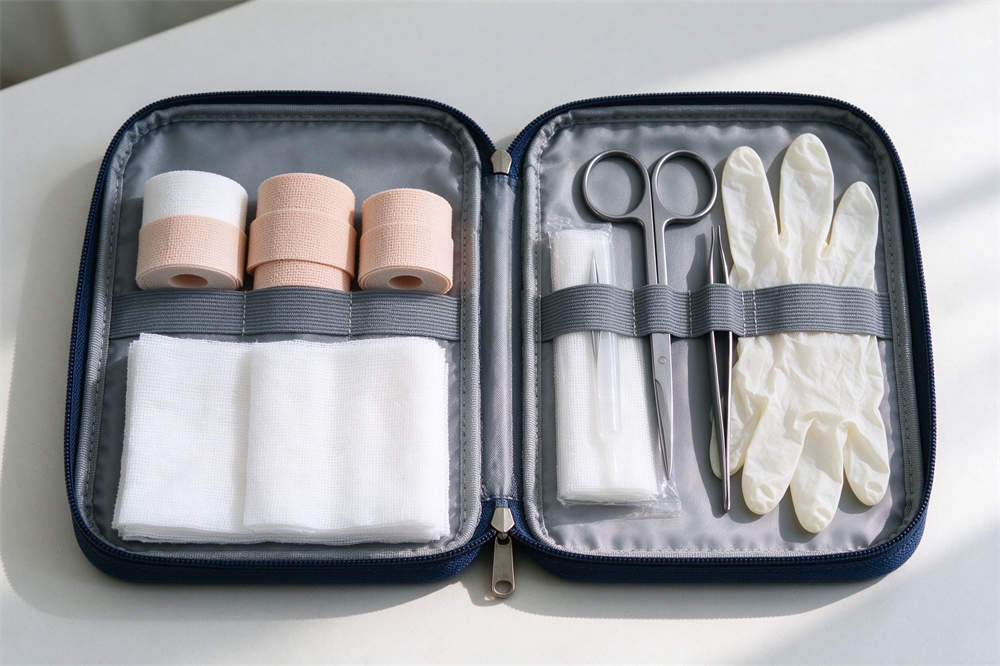


Flu first aid kit open with bandages gauze scissors tweezers no liquids, influenza preparedness medical supplies for home


Flu vs. Common Cold: How to Tell the Difference

One of the most common questions people have: is it the flu or just a cold? It matters because flu can lead to serious complications, while a cold usually goes away on its own. Here's how to tell:


Symptom

Common Cold

Influenza (Flu)

Onset

Comes on gradually over 2-3 days

Comes on suddenly—you feel fine one hour, miserable the next

Fever

Rare, usually low-grade if present

Common, high (102-104°F / 39-40°C), lasts 3-4 days

Aches & Pains

Mild

Severe—whole body aches, can't get out of bed

Tiredness

Mild, back to normal in a week

Severe, can last 2-3 weeks

Cough

Mild, productive

Dry, severe, can last weeks

Complications

Sinus congestion, ear infection

Pneumonia, bronchitis, hospitalization, death


Above: How to tell the difference between a cold and the flu. If it comes on suddenly with high fever and body aches, it's the flu—and you need your flu preparation checklist supplies ready.
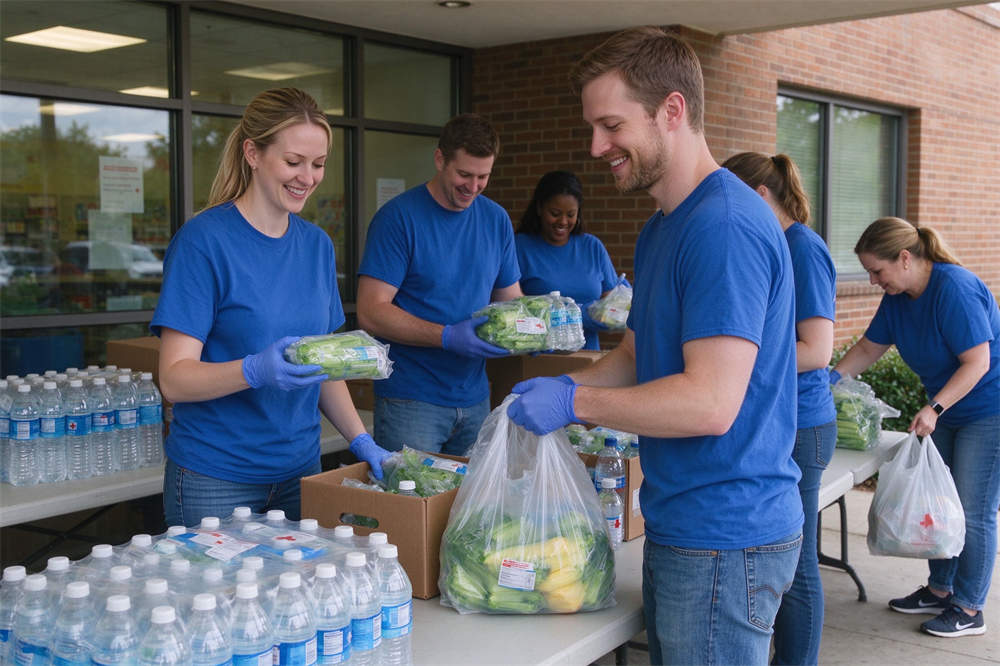


Flu emergency relief volunteers distributing supplies, community aid for influenza season, plain blue t-shirts no logos


✅ Order ready-to-use wholesale disaster kits built for emergency relief deployment. These pre-packed survival bundles integrate first aid, lighting, shelter, hydration and warming supplies, easy to distribute quickly to affected groups. Suitable for disaster relief, government emergency stockpiles, refugee camp shelter, community preparation and humanitarian aid, to meet urgent survival demands after earthquakes, floods and other disasters.


2. Flu Emergency Kit Essentials: The Basics

Here's what every cold weather emergency preparedness list should have, broken down by category. We're focusing on supplies that actually help you recover and protect your family—not the gimmicky stuff that just sits in a closet.


Personal Protection Equipment

When someone in your household is sick, you need to protect the healthy people. PPE isn't just for hospitals—it's for your living room too:

  • Disposable gloves: For handling tissues, bedding, and any surfaces the sick person touched.
  • Safety goggles: For caregivers who are in close contact—flu spreads through eye droplets too.
  • Respiratory protection: Our EN403 smoke hood isn't just for fires—it provides particulate filtration for caregivers during a major outbreak when medical masks are sold out.


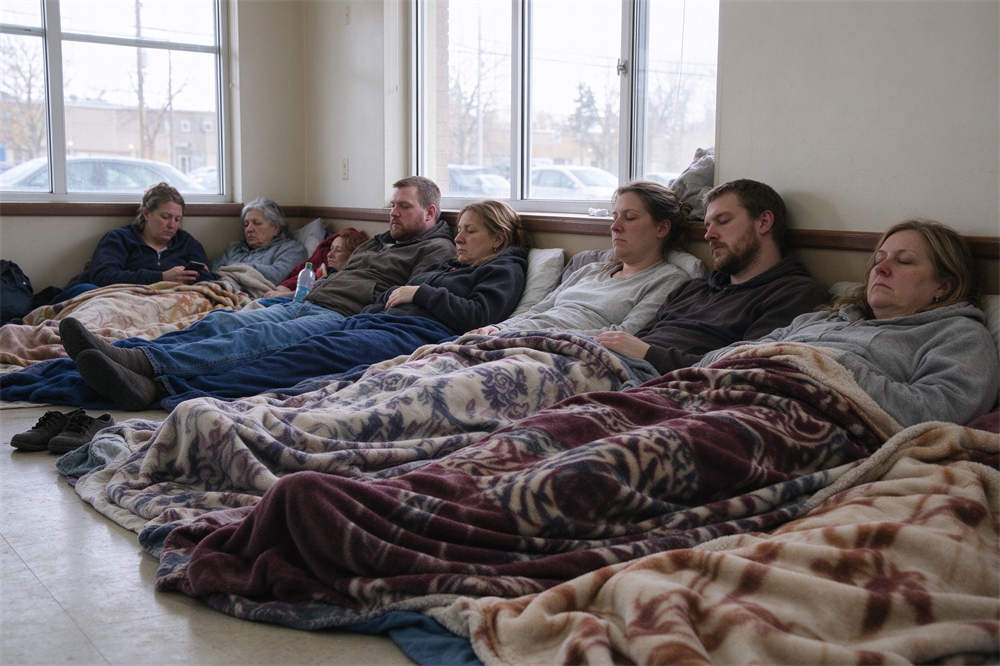
Community shelter recovery scene with people resting under thick blankets, bright natural light, influenza pandemic preparedness


Recovery & Comfort Essentials

When you're sick, your body burns a lot of energy fighting the virus. You need to stay warm, hydrated, and comfortable:

  • Warm blankets: Your fever comes and goes—one minute you're burning up, the next you're shivering. Our thick wool emergency blankets are perfect for this.
  • Emergency sleeping bags: For when you're too weak to get out of bed—stay warm right where you are.
  • Thermal socks and hats: Body heat escapes through your head and feet. Keep them covered even when you're under the covers.


Disposable gloves, goggles, respiratory protection

Wool blankets, sleeping bags, thermal socks
Water containers, foldable water tanks
Tissues, thermometer, hand sanitizer (solid form)
LED headlamp, hand-crank radio, power bank


Category

Essential Items

Why You Need It

PPE

Protect healthy family members from getting infected

Warmth

Fever causes chills—stay warm to recover faster

Hydration

Stay hydrated when you're too sick to go to the kitchen

Comfort

Basic care when you're feeling miserable

Light & Power

Keep power when you're sick and can't get to the charger


Above: Summary of the core items in a complete home illness preparedness kit for households and small organizations.



Hospital healthcare workers attending to patients, influenza preparedness medical facilities during flu season outbreak


3. Comfort & Recovery Supplies

Recovery from the flu isn't just about medicine—it's about making your body as comfortable as possible so it can focus on fighting the virus. Here's what we recommend having on hand:


Warmth & Bedding

When your fever spikes, you'll go from burning up to shivering in minutes. That's why having extra warm bedding is critical. Our emergency blankets and sleeping bags are perfect for this:

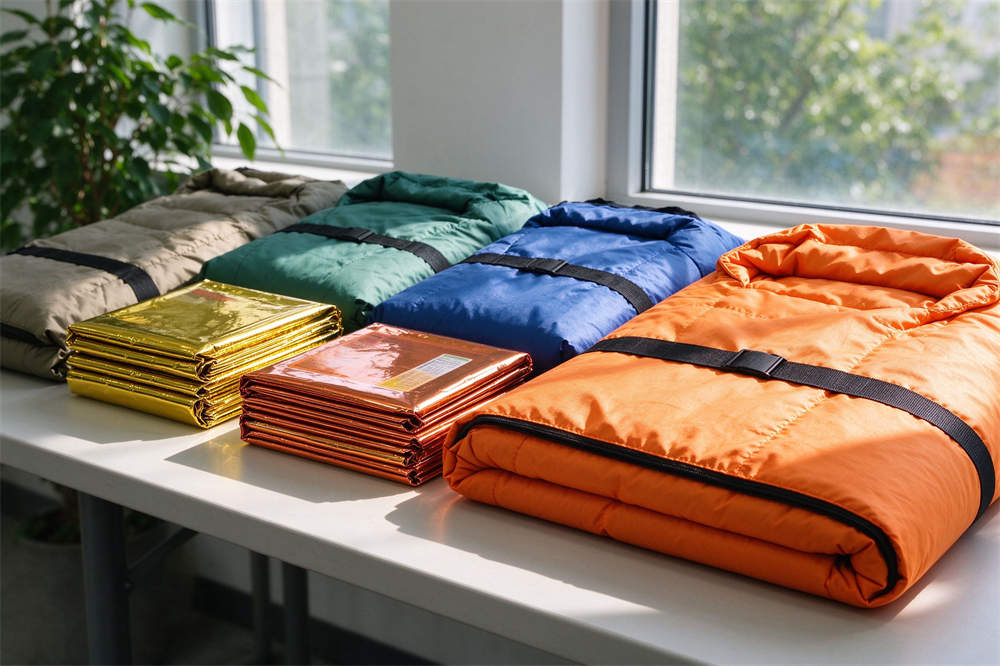
  • Thick wool emergency blankets: Warm even when wet, reusable, last for years. Perfect for when you're chattering from fever chills.
  • Aluminum foil thermal blankets: Lightweight, retain 90% of body heat. Great for keeping at the foot of the bed for sudden chills.
  • Emergency sleeping bags: Full-body coverage, keep you warm all night even if you're too exhausted to kick the covers on and off.


Hydration Support

When you have the flu, you're sweating out fluids from fever. You need to stay hydrated—but when you're too weak to stand up and walk to the kitchen, you need water close by:
  • Foldable water tanks (20L): Fill up before the flu hits, keep it next to your bed so you don't have to get up.
  • Collapsible water bottles: Easy to hold when you're weak, easy to refill.
Pro Tip: Keep a water bottle and a box of tissues on the nightstand before flu season hits. When you're sick at 2am, you don't want to be fumbling around the kitchen.


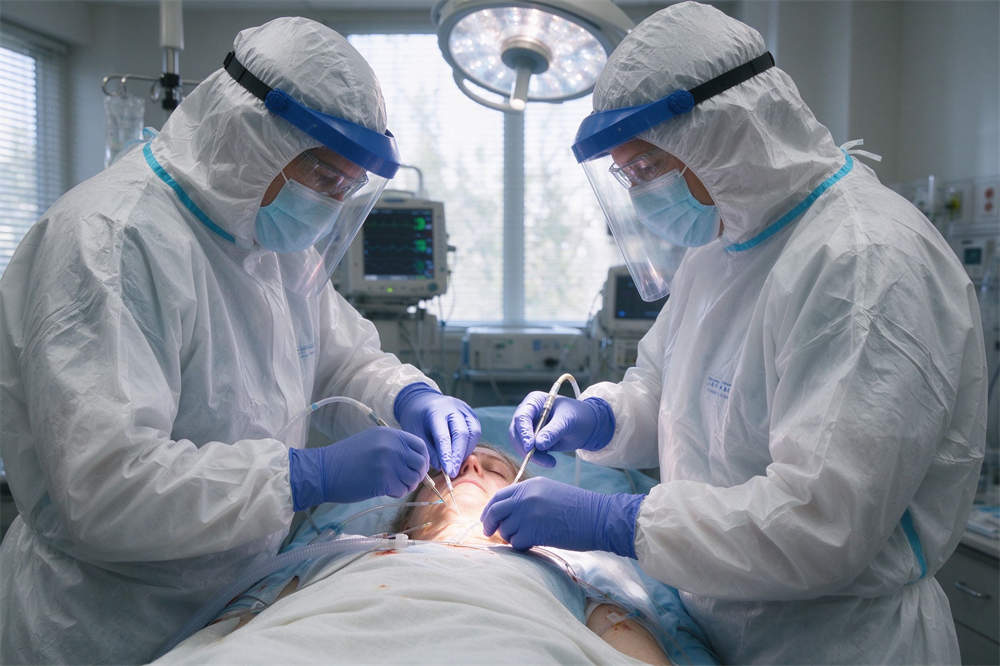
Medical staff wearing PPE gowns in surgical room, infection control for influenza pandemic preparedness and patient care


4. Home Care & Isolation Supplies

When someone in your house has the flu, you need to isolate them to keep the rest of the family healthy. That means having supplies to set up a sick room fast:

Isolation Room Setup

  • Portable privacy screens or curtains: Set up a separate corner or room where the sick person can rest away from healthy family.
  • Extra bedding and towels: The sick person's bedding gets changed frequently—have extras ready so you don't have to do laundry mid-illness.
  • Trash bags: Used tissues, used gloves, all go in sealed bags immediately. Have extra bags on hand.


Surface Cleaning Supplies

Flu virus lives on surfaces for up to 24 hours. You need to clean everything the sick person touches: door handles, light switches, remote controls, phone screens. We supply cleaning tools and disposable cloths—just add your own cleaning solution on site.
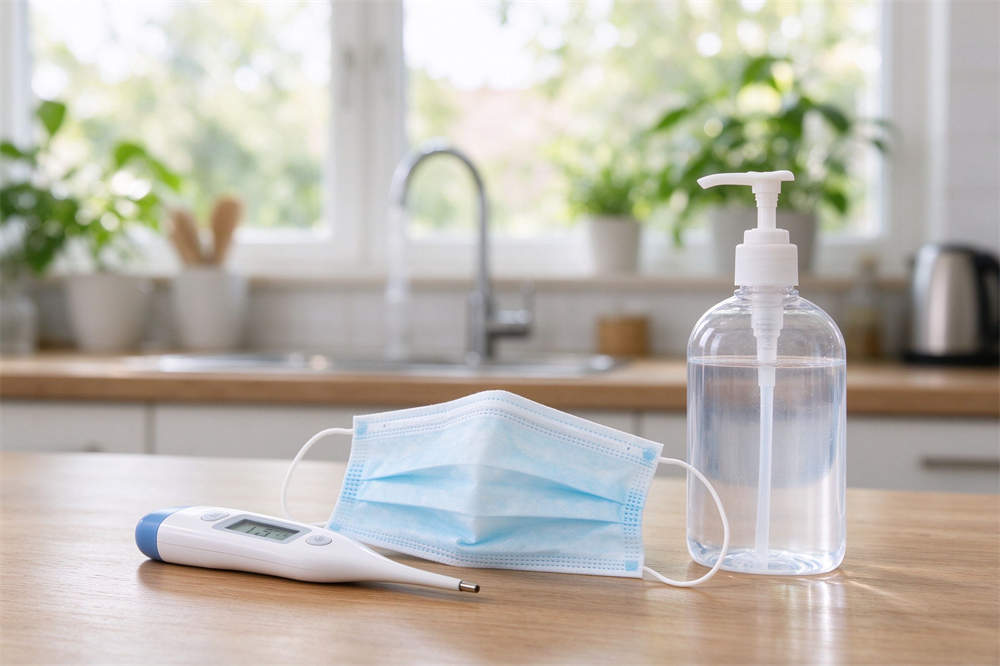

Thermometer mask and sanitizer on kitchen table, home flu emergency kit essentials for influenza preparedness and prevention


5. Communication & Power Backup

During a major outbreak, power can go out, cell service can get overwhelmed, and you might be stuck at home for weeks. You need pandemic preparedness supplies that work without power:
Emergency Communication

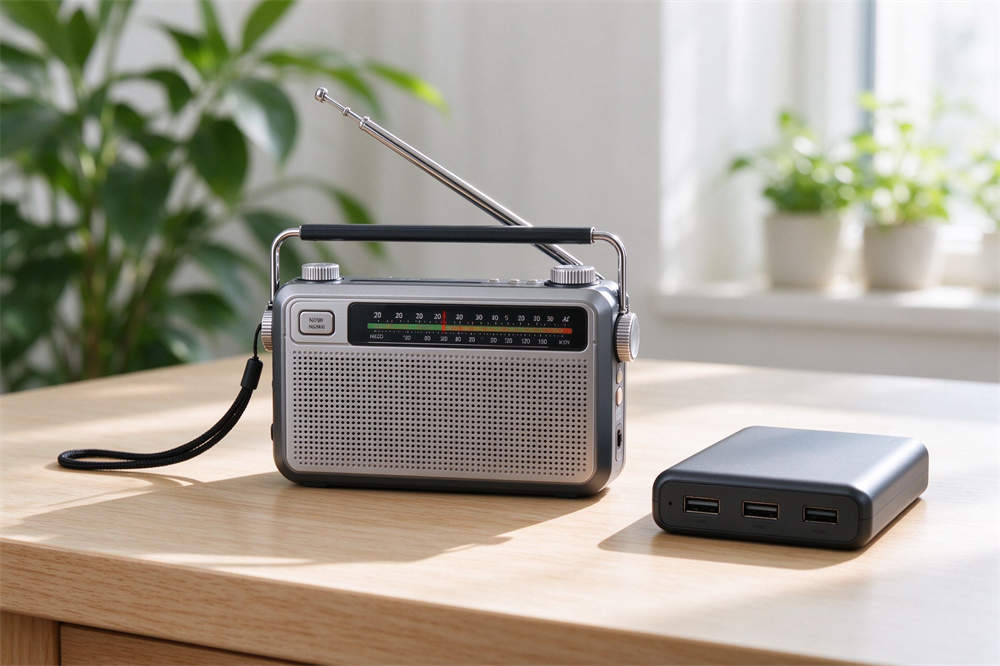
  • Hand-crank emergency radio: Get official health updates, vaccine locations, and emergency broadcasts without batteries. Our solar/hand-crank radios also charge your phone.
  • Whistle: If you need help and can't reach your phone, a whistle carries farther than your voice when you're weak from fever.
  • LED headlamp: Hands-free light for when you're up at 3am feeling miserable. Rechargeable, lasts 8 hours.

Power Backup

  • 20000mAh power bank: Keep your phone charged for days when the power is out or you're too weak to get to the outlet.
  • Rechargeable batteries: For thermometers, fans, and any battery-powered gear you need.


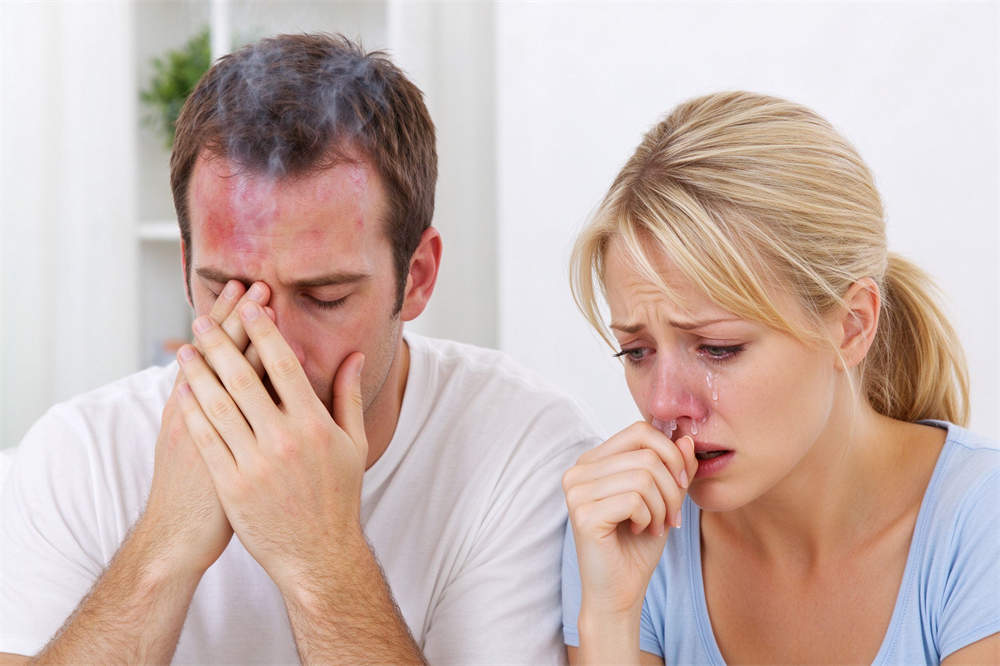
Flu vs cold comparison: fever symptoms vs runny nose, influenza preparedness education for households and organizations


6. Influenza Preparedness Kits for Schools, Offices, & Organizations

Flu isn't just a home problem—it's a school problem, an office problem, a nursing home problem. Organizations need influenza preparedness kits too, for when staff or students get sick at work.


Organization Type

What They Need

Kit Size

Schools & Daycares

Isolation cots, blankets, gloves, tissues, thermometers

Large (for 10+ kids)

Offices & Businesses

Break room supplies, PPE for caregivers, first aid kits

Medium (for 5-10 people)

Nursing Homes & Hospitals

PPE, blankets, sleeping bags, hydration supplies

Extra large (for entire facility)

NGOs & Response Teams

Mobile flu response kits, tents, folding cots

Custom bulk


Above: Different organization types need different sizes of flu emergency kits. We supply bulk and custom kits for all of these.


We work with schools, businesses, nursing homes, NGOs, and government agencies to build custom flu preparedness kits. Tell us how many people you have, and we'll build a kit that fits your budget and your space.


Special Considerations for High-Risk Groups

Some people are at higher risk for serious flu complications: older adults, pregnant women, young kids, and people with chronic conditions like asthma, diabetes, or heart disease. If you're caring for someone in a high-risk group, your flu kit needs to be extra thorough:
  • Extra blankets and bedding: Fever can last longer in high-risk patients. You'll go through more bedding as they sweat through it.
  • Folding cots or extra beds: If the sick person can't get up the stairs, set up a cot on the main floor. Our folding cots are lightweight and easy to set up.
  • Extra hydration supplies: Dehydration is a bigger risk for high-risk patients. Keep more water on hand.
  • Emergency contact list: Write down your doctor's number, the nearest hospital's number, and family contacts. Don't rely on your phone—write it on paper too, in case your phone dies.


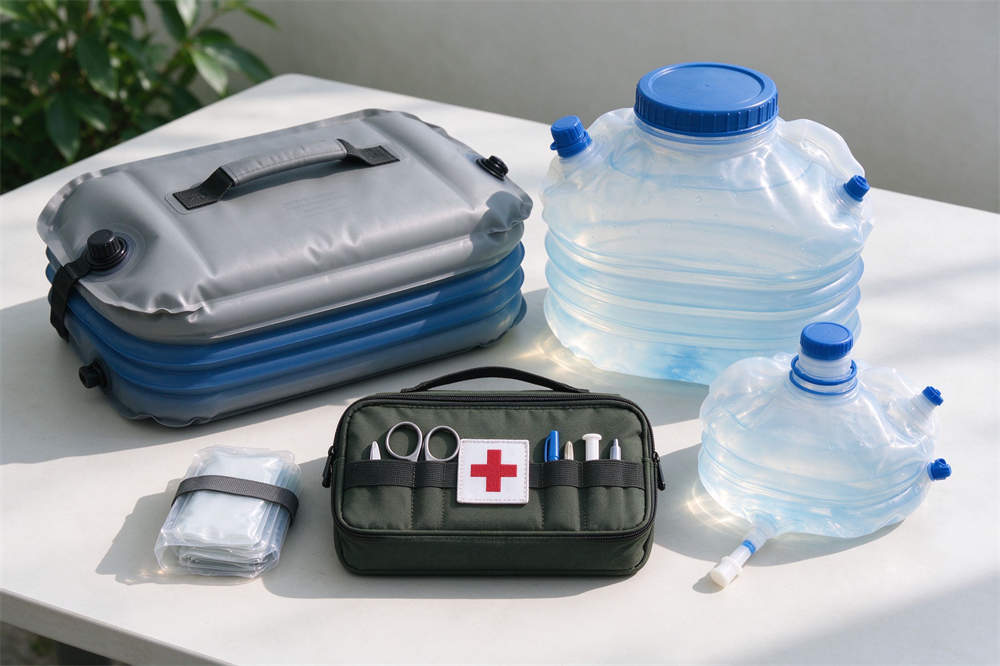
Foldable water jug and first aid kit together, home flu emergency kit supplies for influenza season and pandemic preparedness


Flu Season vs. Pandemic Supplies: What's the Difference?

It's important to understand the difference between regular flu season and a pandemic, because the supplies you need are different:


Condition

Regular Flu Season

Pandemic Outbreak

How sick people get

Most people recover in a week

More severe symptoms, higher hospitalization rates

Supply chain

Most things available, maybe some shortages

Major shortages, online orders backed up for weeks

Isolation time

3-5 days at home

2-4 weeks at home, schools closed

What you need

Basic comfort supplies, tissues, blankets

Full 14-day supply of everything, PPE, communication gear


Above: Differences between regular flu season and a pandemic outbreak. It's smart to prepare for the worse case—if you're ready for a pandemic, regular flu season is easy.
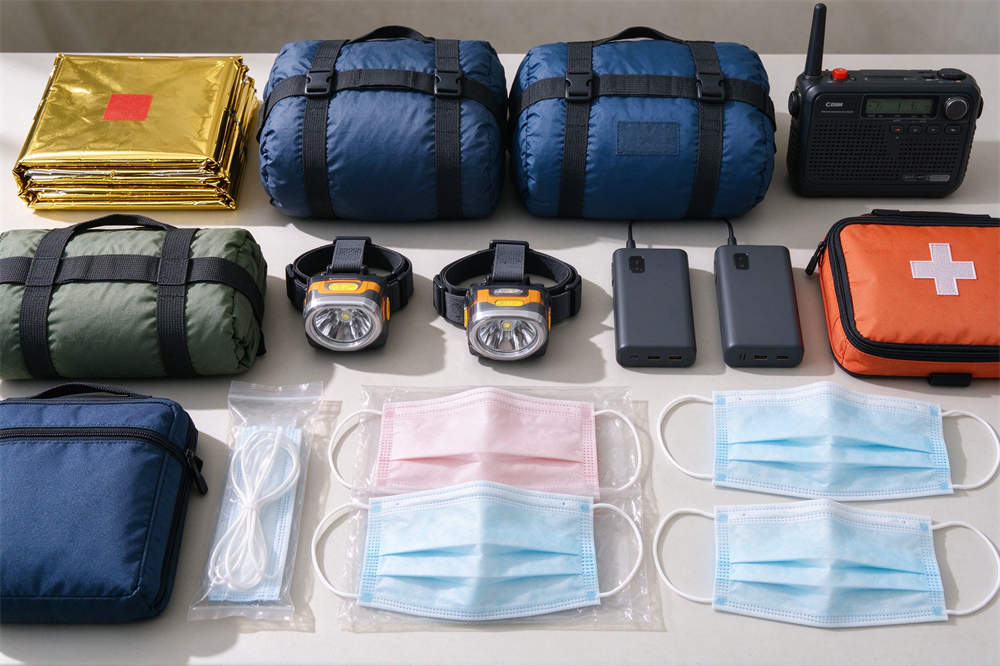


Complete flu emergency kit all products: blankets sleeping bags headlamp radio power bank first aid masks, influenza preparedness


What to Do When the Flu Hits Your House

Here's the step-by-step plan for when someone in your house gets the flu:

  1. Isolate them immediately: Move them to a separate room, close the door. Set up their bed with extra blankets and water right next to it.
  2. Put on PPE: Gloves, goggles, respiratory protection. Don't skip this—you don't want to get sick too.
  3. Check their symptoms: Take their temperature. If it's over 103°F (39.4°C), or they have trouble breathing, call the doctor immediately.
  4. Keep them hydrated: Water, warm drinks, whatever they can keep down. Check on them every hour if they have a high fever.
  5. Clean surfaces: Every time you leave the room, wipe down the door handle, light switch, anything they touched.
  6. Dispose of waste properly: Used tissues and gloves go in a sealed bag immediately. Don't leave them lying around.


When to call 911: Trouble breathing, chest pain, confusion, blue lips or face, dehydration (no urine for 8+ hours). These are emergency signs—don't wait.
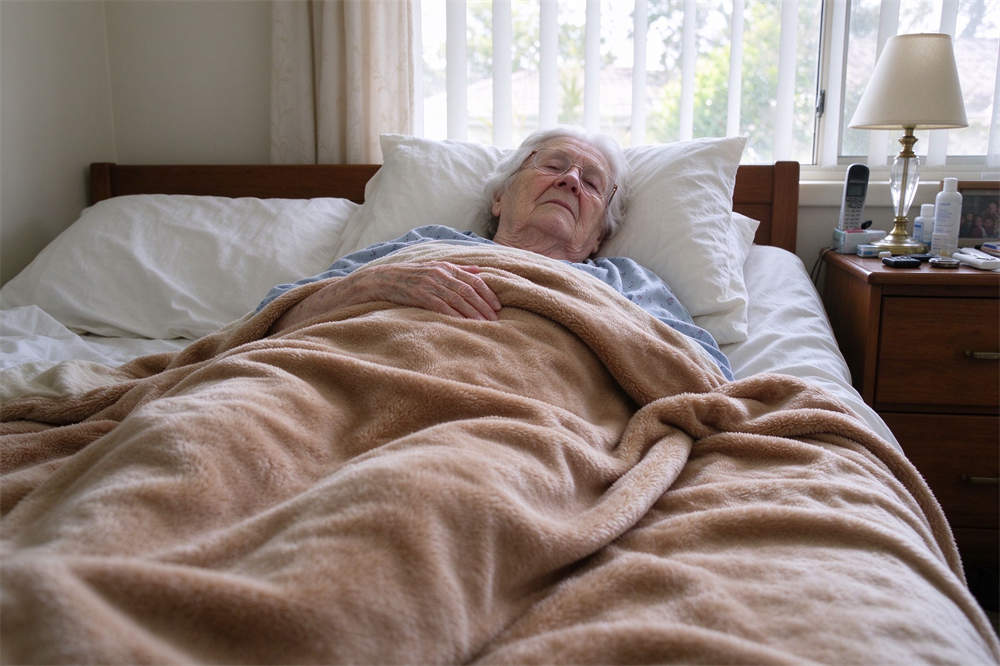


Elderly person resting at home covered with thick wool blanket, comfort and recovery supplies for influenza preparedness


7. Common Flu Survival Kit Prep Mistakes to Avoid

After 17 years of supplying emergency kits, we see the same mistakes over and over. Don't make these:


Mistake #1: Waiting Until Flu Season Hits to Buy

This is the biggest one. When flu season hits, everyone buys at once. Stores run out, online orders back up, and you're stuck waiting. Buy your kit in the summer, when stores are fully stocked and prices are normal.


Mistake #2: Only Stocking Medicine, Forgetting Comfort

People buy fever reducer and tissues, but forget the blankets, the water, the light. When you're sick, you need warmth and comfort as much as you need medicine.


Mistake #3: Forgetting to Rotate Supplies

Medicine expires. Batteries die. Tissues get moldy in damp basements. Every year, before flu season, check your kit: replace expired stuff, test the radio, make sure blankets are still good.


Mistake #4: Not Planning for Isolation

If one person gets sick, you need to keep the rest of the house healthy. That means having a plan for who sleeps where, how to clean surfaces, and how to care for the sick person without getting sick yourself.


Mistake #5: Buying Cheap Kits That Fall Apart

Cheap emergency kits look the same on the outside, but the blankets are thin, the radio dies in 10 minutes, and the gloves tear when you put them on. When you're sick, the last thing you need is your "emergency" gear failing.



Child resting in bed at home covered with thick wool blanket, influenza recovery comfort supplies for household flu kit


8. How to Store Your Flu Preparation Checklist Supplies & Rotate Them

A flu kit only works if you can find it when you need it. Here's how to store it right:


  • Keep it accessible: Don't put it in the attic or the back of the closet. Put it somewhere you can grab in 10 seconds—under the bed, in the hall closet, by the front door.
  • Keep it in one bag: Everything in one backpack or duffel bag. You don't want to be running around the house looking for the radio when you need it.
  • Rotate every year: Set a reminder on your phone for September (start of flu season). Check expiration dates, test the radio, wash the blankets, replace anything that's worn out.
  • Keep it dry: Damp basements mold up blankets and corrode electronics. Keep it somewhere climate-controlled.


Pro Tip: Tell everyone in the house where the kit is. Do a quick family drill once a year—"where's the flu kit?"—so everyone knows.



Family at home isolation opening windows for ventilation, influenza preparedness home care and infection control tips


9. How to Choose a Flu Kit Supplier

There are a million companies selling "emergency kits" online. Here's what to look for:

  • Real certifications: CE, ISO 9001, FDA registration. Ask for the documents—if they can't show them, they're faking it.
  • Real products, not cheap junk: Ask what the blankets are made of, how long the radio lasts, what the gloves are rated for. If they can't tell you specifics, walk away.
  • Bulk pricing for organizations: Schools and businesses need bulk. The supplier should have wholesale pricing and MOQs that make sense.
  • OEM and custom options: Need your logo on the kit? Need specific items for your organization? The supplier should be able to customize.
  • Global shipping: If you're an NGO or international organization, they need to ship worldwide reliably.


Don't fall for the "everything in a box" scam.

A lot of cheap kits have 50 items, but 40 of them are tiny, useless things you'll never use. We build kits around what you actually need, not what fills a box.
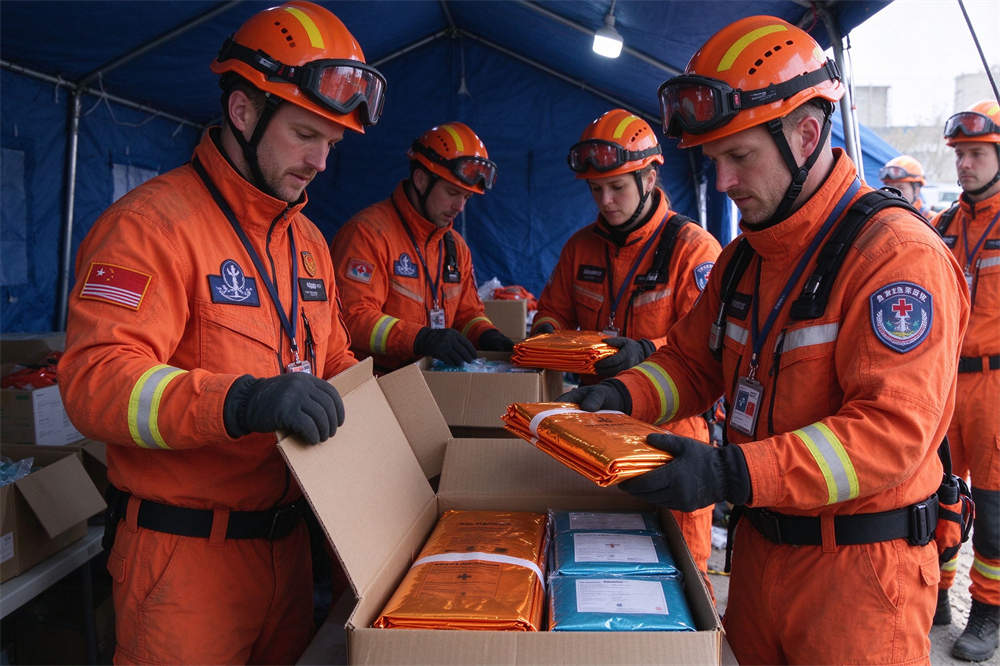


Rescue workers unboxing emergency blankets for distribution, bulk flu emergency relief kits for NGOs and organizations


How Flu Spreads (and How to Stop It)

Flu spreads through respiratory droplets—when someone coughs, sneezes, or even talks. Those droplets land on surfaces, and you touch them, then touch your face. That's how it spreads around your house in 24 hours.

Here's how to stop it:

  • Wash hands often: 20 seconds with soap and water. Sing "Happy Birthday" twice while you wash.
  • Don't touch your face: Eyes, nose, mouth—that's how the virus gets in. Harder than it sounds, but worth the effort.
  • Clean high-touch surfaces: Door handles, light switches, remote controls, phone screens, toilet handles. Every day when someone's sick.
  • Open windows: Fresh air helps dilute the virus in the air. Even in winter, crack a window for 10 minutes a day.
  • Wear PPE when caring for the sick: Gloves, goggles, respiratory protection. Don't skip this just because it's "just the flu."


Hand crank emergency radio and power bank on table, communication and power backup for influenza pandemic preparedness


10. Our Quality Promise

We don't sell the cheapest kits. We sell the most reliable kits. When someone's family is sick, cheap isn't a bargain.

What We Test Before It Ships

  • Material testing: Blankets tested for warmth rating. Gloves tested for tear resistance. Radio tested for battery life.
  • Component check: Every kit is opened, counted, and repacked. Nothing missing.
  • Certification verification: Every certificate is checked for validity and authenticity.
  • Water test: Foldable water tanks are pressure-tested before shipping.


Blankets and sleeping bags multiple colors collection, comfort supplies for home flu kit and influenza recovery


11. Final Thoughts: Flu Season Doesn't Wait for You to Be Ready

The flu will come this year. It always does. The question is: when it does, will you be ready? Will you have the blankets to keep you warm when your fever spikes? Will you have water next to your bed when you're too weak to walk to the kitchen? Will you have a radio to hear official updates when everyone's phone is dead?


That's what a flu emergency kit is for. It's not about being scared. It's about being prepared. It's about knowing that when you're sick, you can rest, recover, and not worry about whether you have what you need.


As a leading supplier of emergency preparedness supplies globally, we supply pandemic supplies to:

  • Households: Home flu kits for families of all sizes
  • Schools & Daycares: Isolation and care kits for students
  • Businesses & Offices: Workplace flu prep kits
  • Nursing Homes & Hospitals: Bulk patient care supplies
  • NGOs & Response Teams: Mobile flu response kits for disaster zones
  • Government Agencies: Emergency stockpile supplies


Why Choose Our Flu Kits?

  • Real certifications, not fake: CE, FDA, ISO 9001, EN403, EN1869, EN397—all real, all verifiable.
  • Bulk pricing for NGOs and organizations: We supply relief organizations, schools, and industrial clients worldwide.
  • OEM and private label: Need your logo on the kits? We do custom printing, custom packaging, custom kit configurations.
  • Factory direct pricing: We're the manufacturer, not a middleman. You get factory pricing, no markup.
  • Global shipping: We ship to every country. Fast lead times, reliable delivery.


Don't wait until the flu hits your house. Every year we talk to people who waited until their kid had a fever to buy supplies—and by then, everything was sold out. Get your kit today. Set it on the shelf. Tell your family where it is. Then you can relax, knowing you're ready.


Flu season comes every year. Be ready before it does.
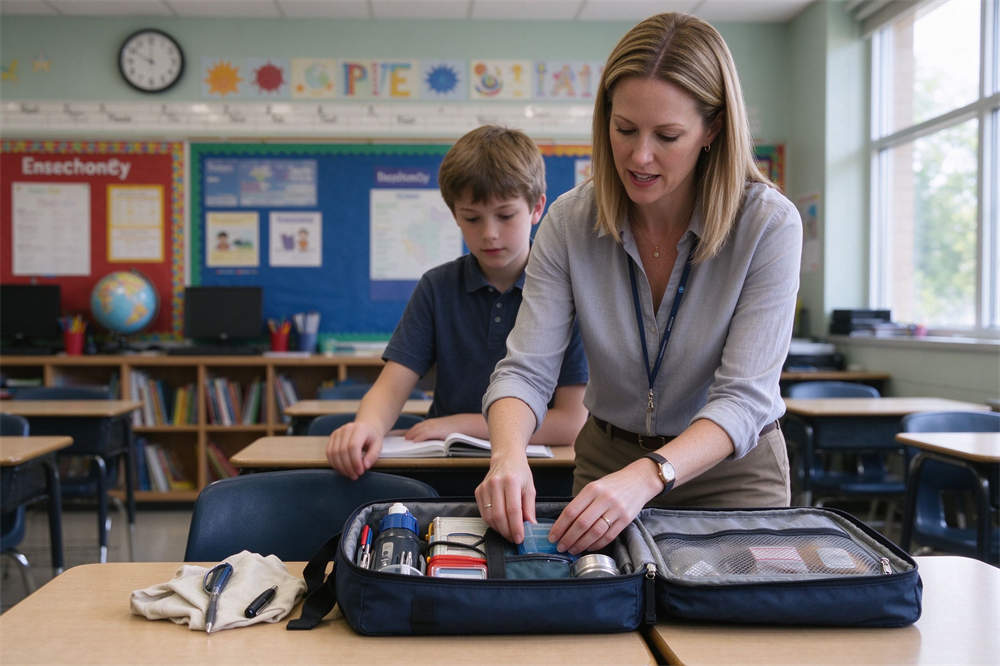


Teacher in classroom preparing emergency kit, school flu preparedness supplies for students and staff during influenza season


FAQ


Q: How big should my flu emergency kit be?

A: For a family of 4, a backpack-sized kit is enough. For schools or businesses, you'll need larger kits with more supplies. Tell us how many people you're preparing for, and we'll recommend the right size.


Q: How long does flu last?

A: Most people recover in 1-2 weeks. Older adults, young kids, and people with chronic conditions can be sick longer. That's why you need a 14-day supply of everything.


Q: What's the difference between a flu kit and a regular first aid kit?

A: First aid kits are for injuries—cuts, burns, sprains. Flu kits are for when you're sick and need comfort, warmth, hydration, and isolation supplies. They're different things, and you should have both.


Q: Can I use regular blankets instead of emergency blankets?

A: Yes! Regular blankets work fine. Emergency blankets are just more compact, cheaper, and you can keep them stored for years without them getting worn out. Use what you have, but make sure you have extra.


Q: Do you supply kits for schools and offices?

A: We do! We supply bulk flu preparedness kits for schools, daycares, offices, and nursing homes. We can also customize the kit contents and put your organization's logo on the bag.


Q: How often should I check my flu kit?

A: Once a year, right before flu season (September). Check expiration dates, test the radio, wash the blankets, replace anything that's worn out. Set a phone reminder so you don't forget.
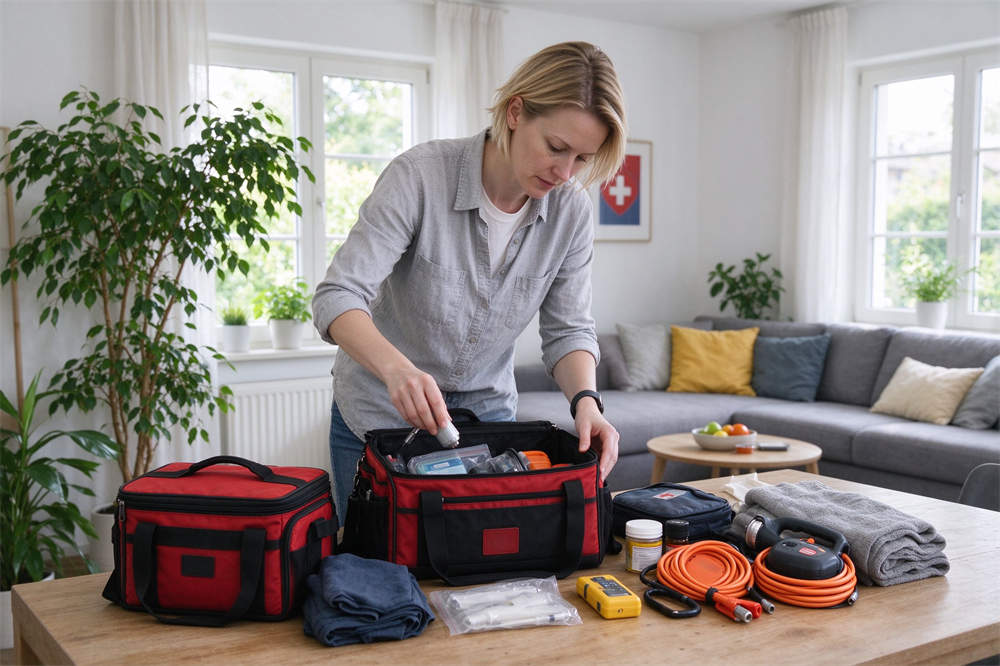


Person organizing home emergency supplies, influenza preparedness checklist review for household flu season readiness


Q: What certifications do your flu kit products have?

A: All products are CE certified, FDA registered, ISO 9001 quality system, and RoHS compliant. Smoke hoods meet EN403, fire blankets meet EN1869, hard hats meet EN397. Full documentation with every order.


Q: Can I customize what's in the kit?

A: Absolutely! Tell us what you need and what you don't need, and we'll build a custom kit. We do OEM and private label for distributors and large organizations.


Q: How long does shipping take?

A: In-stock items ship in 3-7 days via air express. Custom or bulk orders take 15-30 days for production plus shipping. We ship worldwide from our China factory.


Q: What if I'm too sick to use the supplies?

A: That's why you tell everyone in your house where the kit is. Do a quick family drill once a year so everyone knows where it is and how to use it. The best kit in the world is useless if no one can find it.


Q: Do you sell to individuals or only organizations?

A: We primarily work with organizations, NGOs, schools, and businesses with wholesale pricing. We do also supply smaller orders for households—just tell us what you need.


Q: Should I stock up on masks?

A: During a major outbreak, masks can sell out fast. We supply EN403 certified respiratory protection that provides particulate filtration—better than basic surgical masks for protecting caregivers.


Q: What's the most important item in a flu kit?

A: Warmth. When you have a fever, your body needs to stay comfortable to fight the virus. Extra blankets and thermal bedding are more important than gadgets. Everything else is secondary.


Q: How do I clean my flu kit after someone's been sick?

A: Throw away any disposable items (gloves, tissues). Wash blankets and bedding in hot water. Wipe down the outside of the bag with disinfectant. Test the radio and headlamp to make sure they still work. Restock anything you used.


Q: Can I use a flu kit for other emergencies?

A: Yes! Most flu kit supplies are also useful for power outages, winter storms, earthquakes, and other emergencies. It's a good general emergency kit too—just add a few food and water supplies and you're set for most disasters.



Family recovered enjoying sunlight in park, influenza preparedness success story after flu season recovery


✅ Browse flexible household & personal emergency kits supporting bulk and mixed wholesale orders. These compact pre-assembled survival kits contain first aid, lighting, warmth and signal supplies, with customizable combinations to fit different usage scenarios. Suitable for disaster relief, government stockpiles, community safety programs, refugee camp shelter and humanitarian aid, to equip households and individuals for earthquake, flood and other unexpected hazards.


hak cipta © Custom Disaster - Relief Bedding: Tents, Sleeping Bags, Blankets Hak cipta terpelihara

Tinggalkan pesanan

    Jika anda mempunyai soalan atau cadangan, sila tinggalkan mesej, kami akan membalas anda sebaik sahaja kami dapat!


pasukan profesional untuk perkhidmatan !