Kategori
Last updated: September 26, 2026 · By YRF Textile Emergency Supplies Team
When winter storms hit, relief organizations need reliable, warm, durable gear at scale. This guide covers exactly what bulk winter storm emergency kits should include, what to skip, and how to source from China factories without the common procurement mistakes. Whether you are building a winter storm survival kit for a community shelter or preparing for blizzard preparedness as a relief organization, choosing the right bulk supplies makes all the difference.
Winter storms are the most predictable yet deadliest weather events every year. Blizzards, ice storms, and polar vortex events knock out power for days, trap families at home, and push relief systems to their limit. Being prepared means the difference between responding in hours versus days.
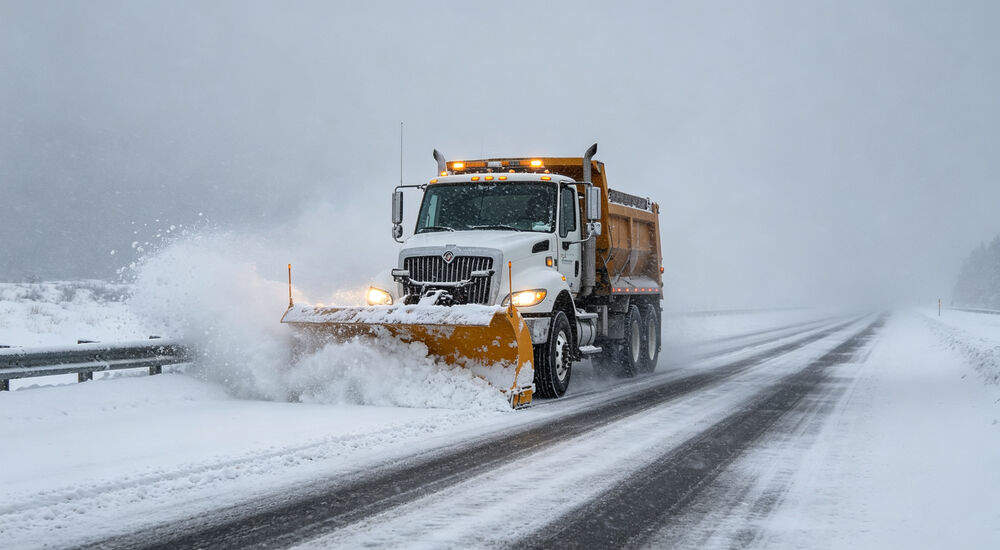
A major blizzard can paralyze entire regions for days—roads close, power goes out, and families get stuck at home.
Whether you're just figuring out how to prepare for winter storm season as an NGO, or you're doing ngo winter procurement for a team of 500, this guide breaks down everything you actually need—no fluff, just what works when the temperature drops.
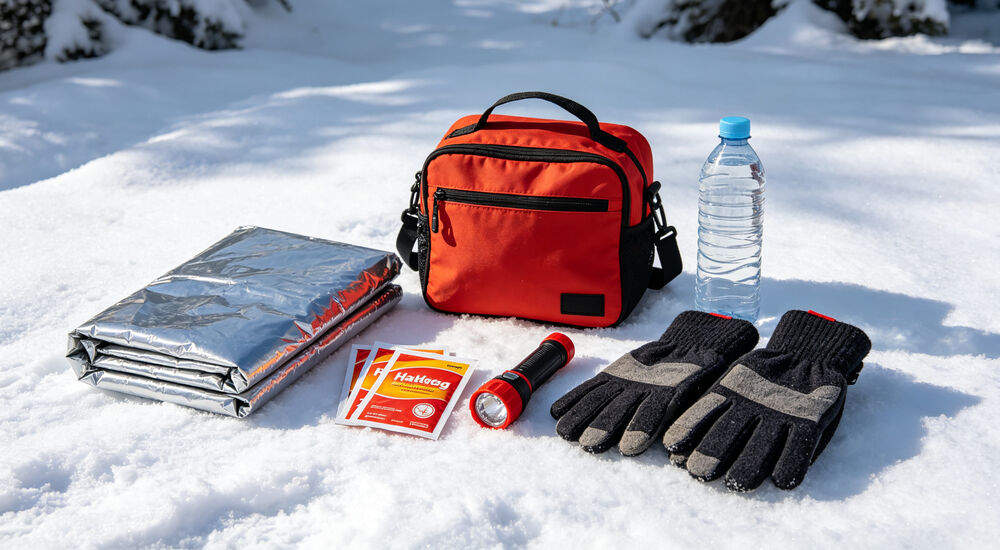
A winter kit needs more than a regular emergency kit—warmth is the #1 priority in cold weather.
A basic winter storm emergency kit at home helps you ride out a few days without heat or power. For relief organizations, you need to scale up to bulk winter supplies that can keep hundreds of people warm, fed, and safe when temperatures drop well below freezing.
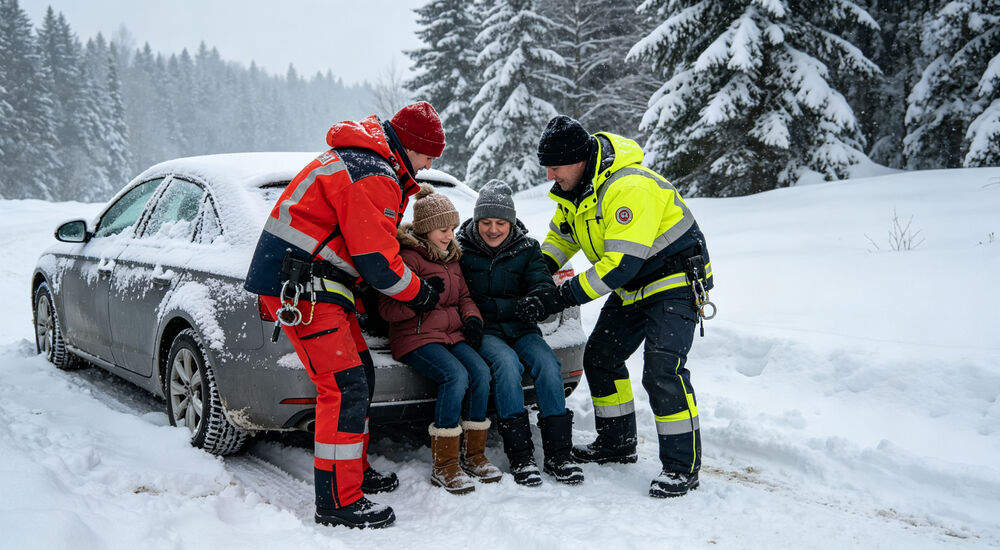
Fast response in winter conditions requires gear that works in sub-zero temperatures.
When temperatures drop and roads close, people can go without heat for 48 hours or longer. Relief teams that pre-positioned cold-weather gear can get blankets, heaters, and warm food to families fast. The teams that wait until the storm hits to order supplies are always days late.
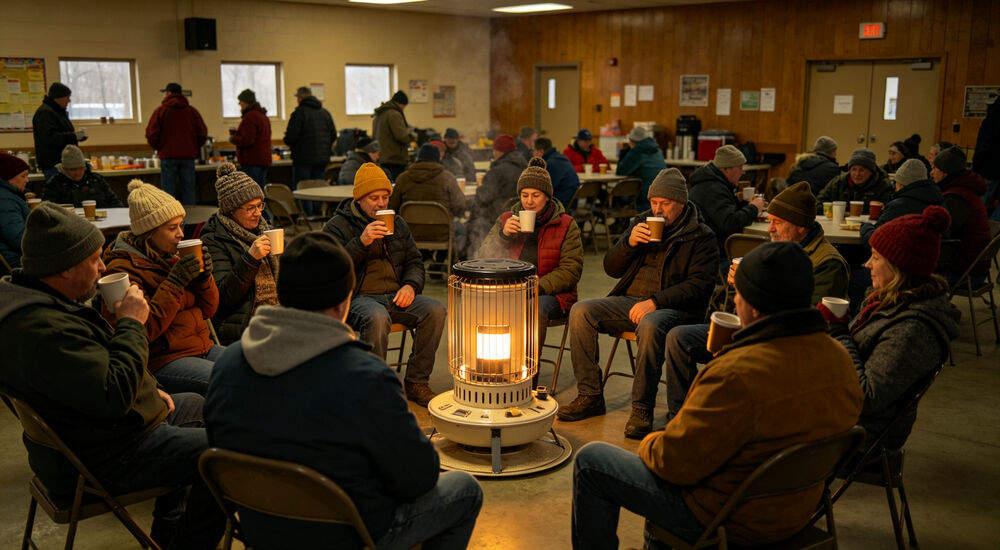
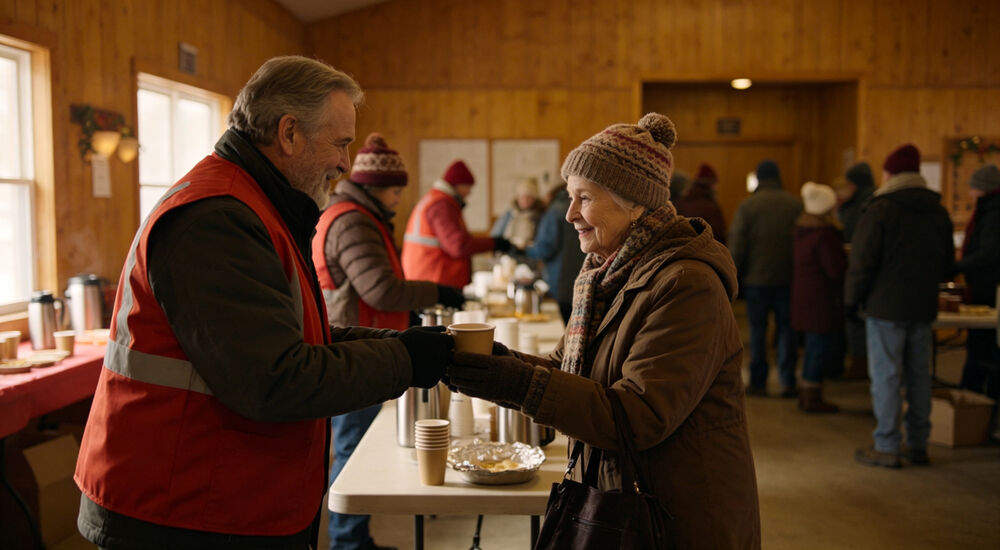
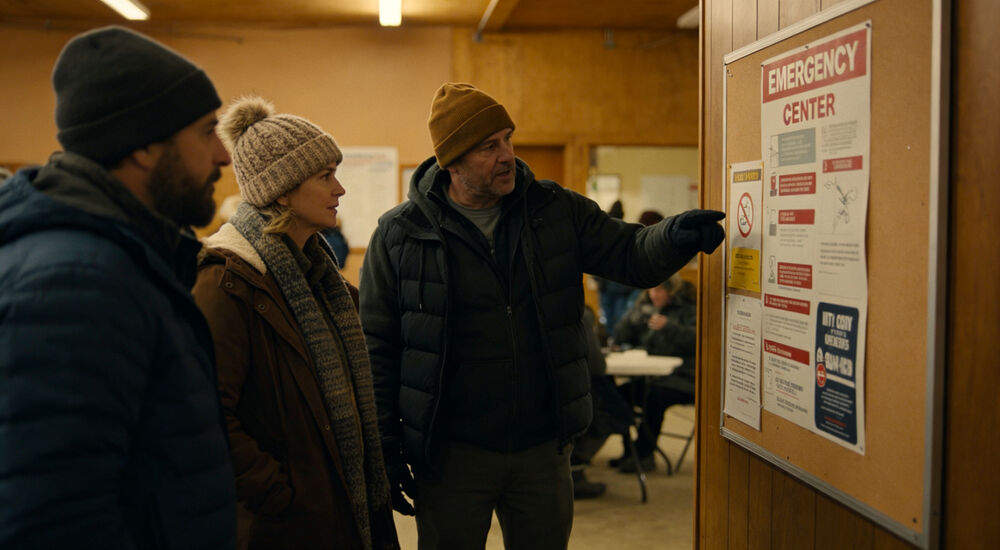
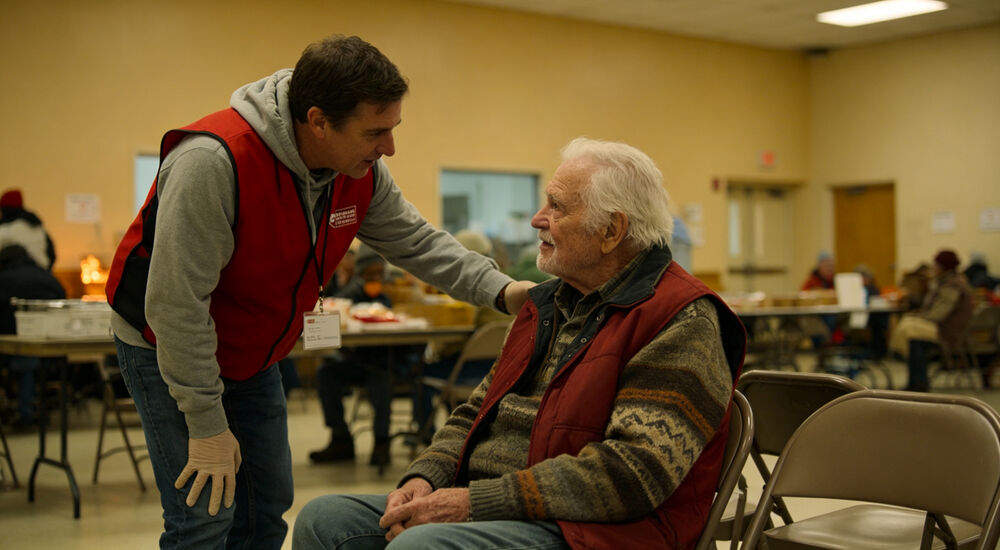
Warming centers are critical infrastructure during winter storms—they're where families go when their heat goes out.
For families stuck at home without power, the biggest risks are hypothermia, frozen pipes, and carbon monoxide poisoning. For relief organizations, you need to provide warm shelter, hot food, and safe heating solutions fast.
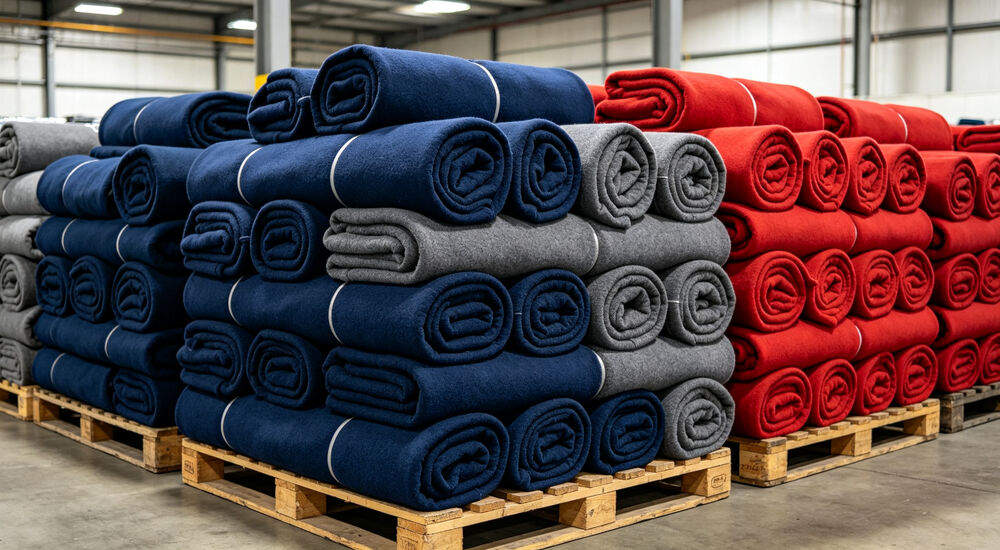
Bulk thick fleece blankets are the fastest way to get warmth to people in need at scale.
NOAA reports that winter weather causes an average of $1.5 billion in damage annually in the U.S. Cold-related deaths outnumber heat-related deaths by 3 to 1. This guide is based on official FEMA winter weather preparedness and American Red Cross winter safety guidelines, combined with sourcing cold weather emergency supplies for winter response.
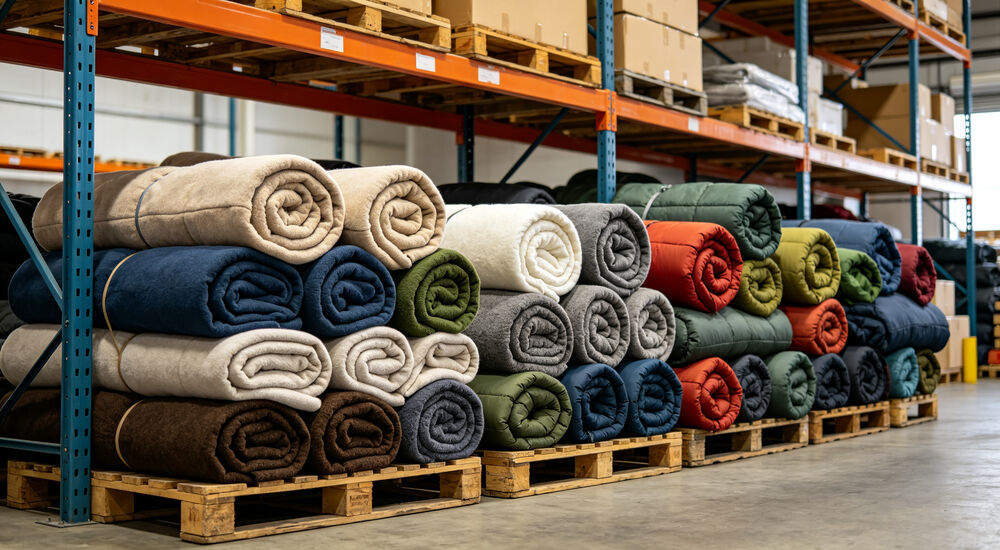
When you source bulk winter gear, warm blankets bulk, emergency sleeping bags, and bulk thermal blankets from our China factory, you get consistent warmth ratings and mixed pallet orders for winter preparedness kits.
Beyond warm bedding, every shelter needs practical supplies that often get overlooked. Folding cots give families a clean place to sleep off the cold floor. Water storage solutions including 5000L collapsible water bladders and 20L foldable tanks keep clean water flowing when municipal lines freeze. Volunteer teams clearing ice and fallen trees need safety helmets, insulated gloves, and waterproof rain ponchos to work safely in freezing rain. As a leading emergency supplies manufacturer based in China, we help relief organizations source all of these products in one bulk order, shipped in full container loads.
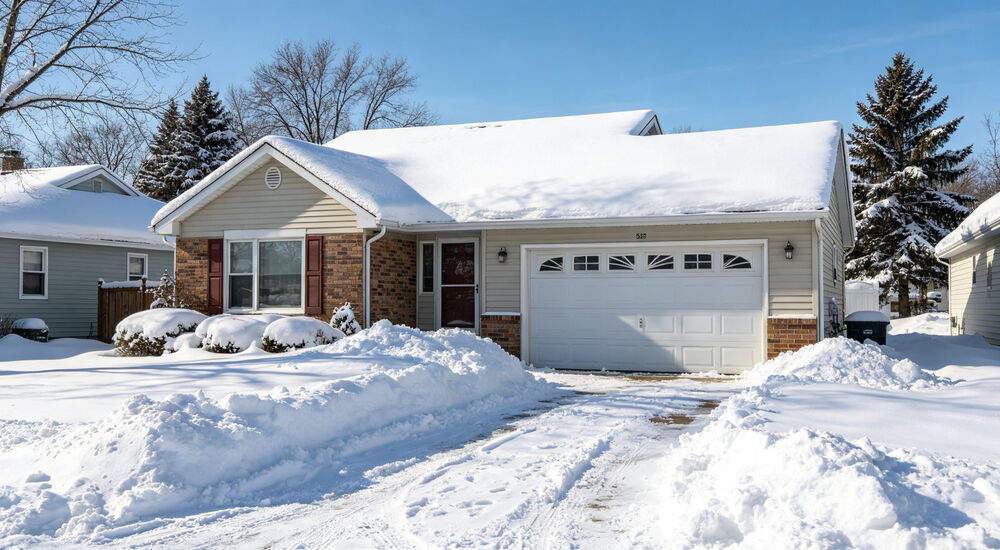
Heavy snow can trap families at home for days. Without heat and power, even inside a house you can get cold.
Winter storms are different from other natural disasters. They're predictable—you know when they're coming. But they're also deceptive. People see snow falling and think it's pretty, not realizing how quickly cold, wind, and wet can become life-threatening.
Every year, winter storms cause billions of dollars in damage and kill hundreds of people. And it's not just people in cold climates—even southern states that rarely get snow get hit by ice storms and cold snaps every few years. People there are the least prepared, because they don't usually deal with this kind of weather. That's why it's so important to have a proper kit, no matter where you live.
For families, being caught without heat and power in sub-freezing temperatures is scary. For relief organizations, every hour of delay means more families sitting in cold homes, more elderly people at risk of hypothermia, more pipes bursting, more accidents on icy roads.
The hidden dangers of winter storms aren't obvious at first. People think cold is just uncomfortable—but it can kill. Hypothermia sets in when your body temperature drops below 95°F. It can happen even in temperatures above freezing if you're wet. Frostbite attacks fingers, toes, ears, and nose first. And carbon monoxide poisoning from people using generators and heaters indoors kills dozens of people every winter.
Another big risk is frozen pipes. When temperatures drop below 20°F for a few days, pipes in unheated attics, basements, and exterior walls can freeze and burst. That causes thousands of dollars in water damage, and leaves families without running water on top of no heat. For relief organizations, that means you're not just dealing with cold—you're also dealing with water damage, mold, and families who can't stay in their homes.
Elderly people are the most at risk. They have less body fat, slower circulation, and many can't afford to heat their homes properly. Homeless people are also extremely vulnerable—they don't have a warm place to go at all. Families with young kids are another high-risk group. Kids lose body heat faster than adults, and they can't always tell you when they're getting too cold.
Climate change is making winter storms more unpredictable. You get worse ice storms, more extreme cold snaps, heavier snowfalls in places that don't usually get them. The old playbook from 10 years ago doesn't work anymore. That's why having a proper snow storm preparedness kit isn't optional—it's essential.
Whether you're preparing your own home, running a community warming center, or managing a relief program for hundreds of people, this guide will help you build the right kit. We'll cover what supplies you actually need, how much to order, and what mistakes to avoid.
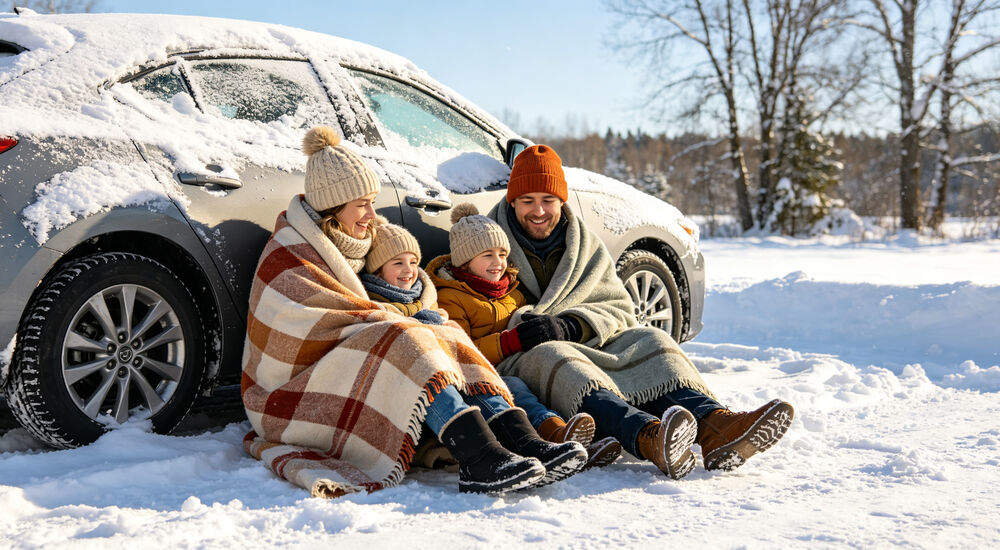
Blizzards bring whiteout conditions—you can barely see 10 feet in front of you.
Not all winter storms are the same. Each type brings different risks and needs different supplies. Understanding what type of storm your region faces most helps you build the right bulk winter emergency kit for your team.
Below is a quick comparison of the most common winter storm types, so you can match your supplies to the actual risks in your area:
|
Storm Type |
Typical Duration |
Main Hazard |
Key Supplies You Need |
|
Blizzard |
1-3 days |
Whiteout conditions, travel impossible |
Sleeping bags, thermal blankets, heat packs, hot food |
|
Ice Storm |
12-24 hours |
Power outages, downed trees, roof damage |
Flashlights, portable heaters, warm clothing, water |
|
Polar Vortex |
3-7 days |
Extreme cold (-20°F or lower) |
Four-season sleeping bags, expedition-grade gear |
|
Lake-Effect Snow |
1-2 days |
Heavy localized snowfall |
Snow shovels, de-icer, shelter supplies |
Blizzards are the most well-known winter storm. Sustained winds over 35 mph, visibility under 1/4 mile, and it lasts for 3 hours or more. They can paralyze entire regions. Roads close. Schools shut down. Power lines snap under the weight of snow and ice. For relief organizations, this means you'll be setting up warming centers, distributing blankets, and helping families stuck at home without heat.
What makes blizzards so dangerous is the combination of wind and cold. Wind chill makes it feel much colder than the actual temperature. A 20°F day with 30 mph winds feels like -10°F. That's how people get frostbite in minutes, even if the thermometer says it's not that cold. For relief teams, this means your volunteers need proper windproof gear, not just warm coats. A thin windproof layer over a warm coat works way better than a thick coat that lets wind blow right through it.
Ice storms are deceptive. Freezing rain coats everything in a thin layer of ice. A quarter inch of ice is enough to take down power lines and tree branches. Roads become skating rinks. Ice storms look beautiful but are incredibly destructive. For relief teams, you'll be dealing with mass power outages, fallen trees blocking roads, and families stuck in cold homes for days.
Ice storms are especially tricky because they often happen when temperatures are just below freezing—around 30°F. People think it's not that cold, so they don't take it seriously. But when the power goes out, a 30°F house gets down to 50°F pretty fast, and that's cold enough to be dangerous for elderly people and kids. Ice storms also cause a lot of car accidents, because people don't realize how slippery the roads are until they're already sliding.
When arctic air dips south, you get polar vortex events. Wind chills can drop to -40°F or lower. Normal winter coats aren't enough. Pipes freeze and burst. Cars won't start. For relief organizations, this means you need expedition-grade gear—sleeping bags rated to -20°F, four-layer insulation, and portable heaters that actually work in extreme cold.
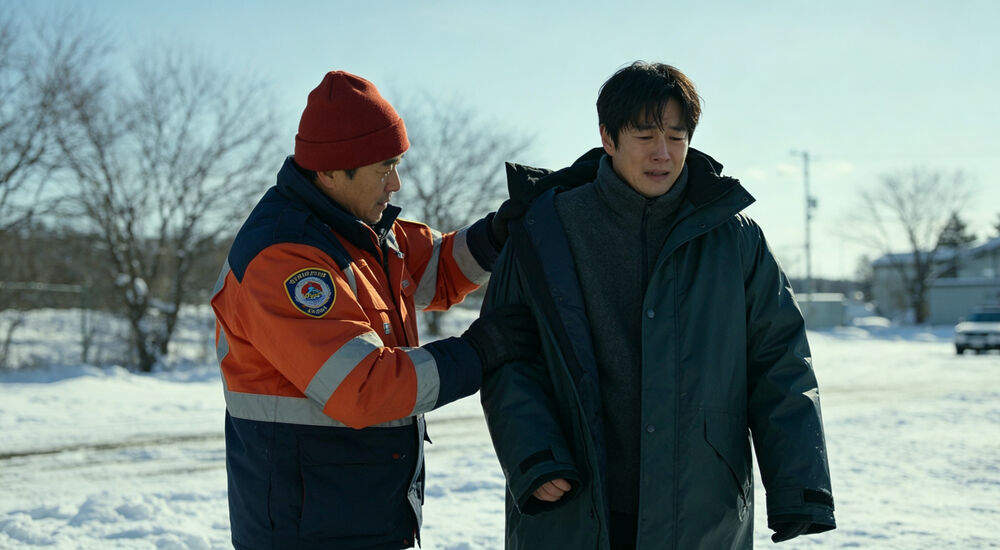
Even a thin layer of ice can take down power lines and leave thousands without heat for days.
A winter survival kit is different from a regular emergency kit. Cold weather adds unique requirements. If people get wet and cold, they can get hypothermia fast. Your job as a relief organization is to keep people warm, dry, and fed. Below is your complete cold weather emergency kit checklist.
We break this down by category so you can order exactly what you need, no more, no less. These quantities are based on standard FEMA and Red Cross guidelines for serving 100 people. Scale up or down based on your team size.
|
Category |
Family Kit (4 people) |
Relief Kit (100 people) |
|
Sleep & Warmth |
2 sleeping bags, 4 thermal blankets |
120 sleeping bags, 200 thermal blankets |
|
Heating & Light |
Flashlight, hand warmers, portable heater |
100 flashlights, 500 hand warmers, 20 portable heaters |
|
Food & Water |
3 days of bottled water, non-perishable food |
3 days bulk water, hot food rations, hot drinks |
|
PPE |
Warm gloves, hats, boots |
200 pairs gloves, 200 hats, 100 pairs boots |
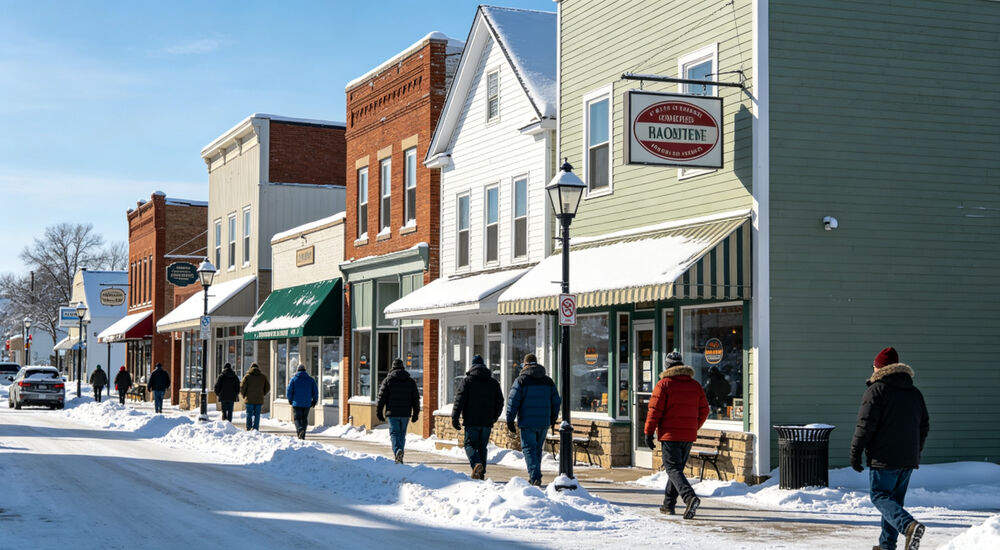
Extreme cold events can last for days, pushing normal heating systems to their limit.
This is the #1 priority in any winter kit. If people are warm, they're safe. If they're cold, they're at risk. Thermal blankets are the workhorse of winter relief—they're lightweight, cheap, and retain 90% of body heat. For longer events, you need proper sleeping bags rated for low temperatures.
Emergency thermal blankets are lightweight, compact, and perfect for rapid distribution.
Bulk buying tip: For relief organization winter procurement, start with thermal blankets—they're cheap, lightweight, and you can never have too many. Then add four-season sleeping bags for longer-term shelter. Always order 20% extra for volunteers and staff. Hand and foot warmers are another must—they last 8-10 hours and make a huge difference for people stuck in cold homes. When you're buying in bulk, look for blankets that are tear-resistant and can be reused season after season. Cheap, flimsy blankets fall apart after one use, so you end up spending more money replacing them.
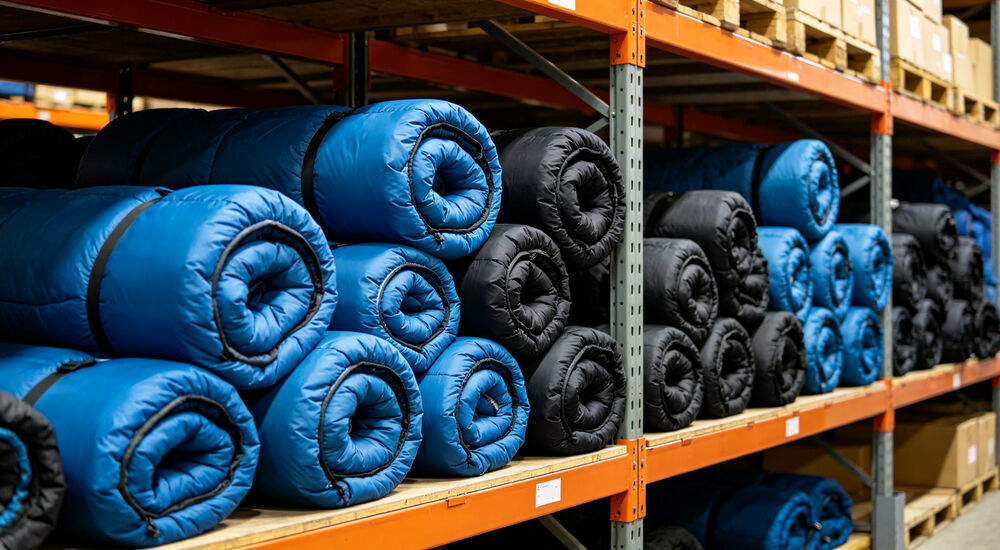
One common mistake new relief organizations make is buying too many disposable blankets and not enough durable sleeping bags. Thermal blankets are great for the first 72 hours, but if people are staying in a warming center for a week, they need real sleeping bags. We recommend a 3:1 ratio of thermal blankets to sleeping bags for most operations.
Four-season sleeping bags rated to -10°F are the standard for cold weather relief.
When the power goes out in winter, heat goes with it. Portable propane heaters, power banks, and flashlights are essential. Never use gas generators indoors—that's how people die from carbon monoxide poisoning. Make sure all your heating equipment is safe for enclosed spaces.
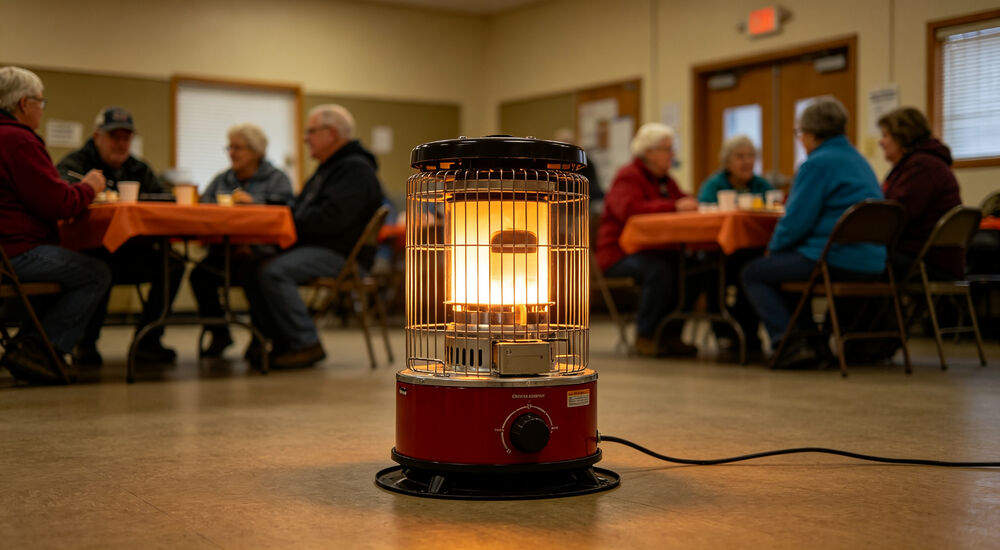
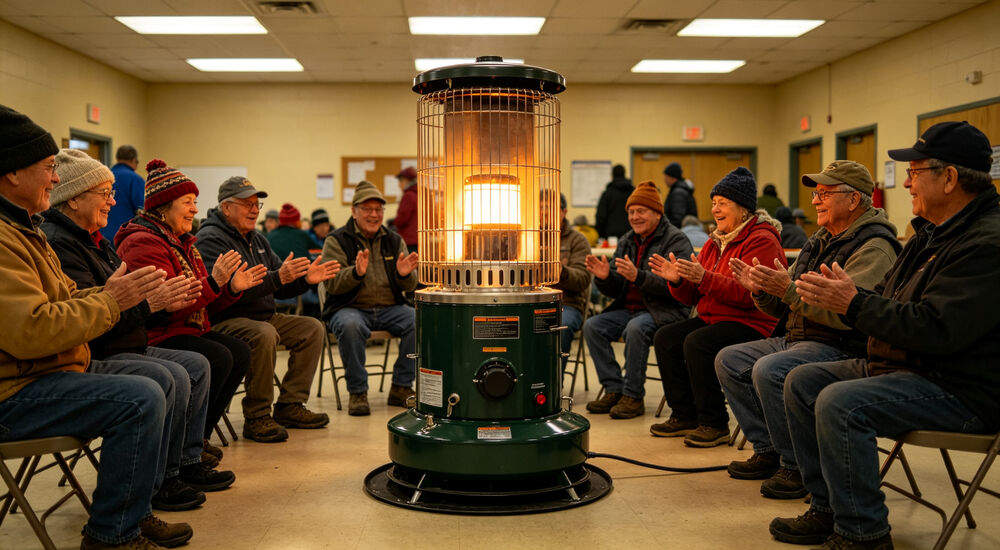
When you're ordering portable heaters in bulk, look for models with tip-over shutoff and low-oxygen shutoff. Those safety features save lives. For a 20-person warming center, you'll need 2-3 heaters. For a 100-person center, 10-12 heaters. Don't skimp here—cold people can't stay in a warming center for long if it's not actually warm enough. Also, make sure you have extra fuel stored safely outside, never inside.
Power is another issue. When the grid goes down, phones die, and people can't call for help. Power banks are essential—10,000 mAh is enough to charge a phone twice. Flashlights are better than candles—candles are a major fire hazard during power outages. We recommend LED headlamps for volunteers, so their hands are free when they're moving supplies or helping people.
Safe indoor portable heaters are critical for warming centers during multi-day outages.
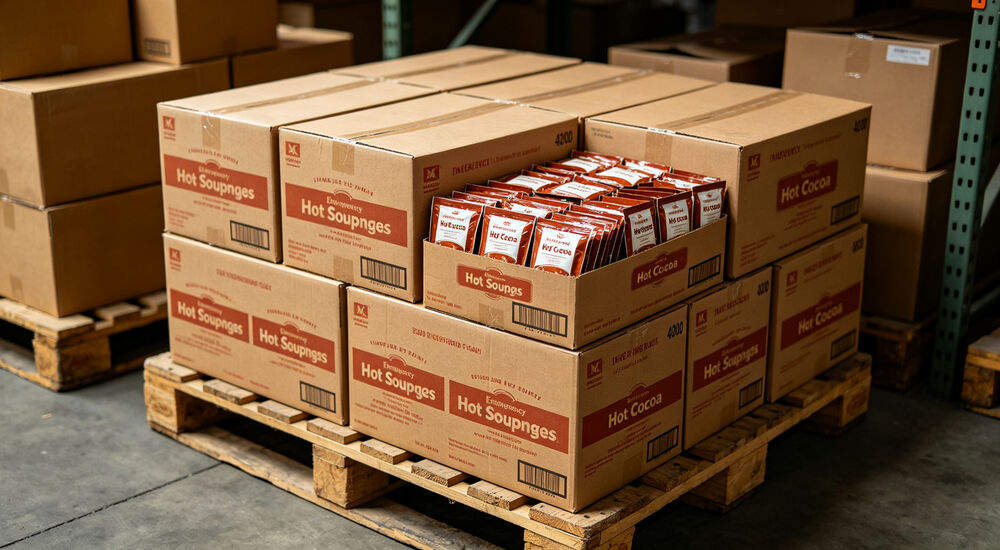
In winter, people need hot food and warm drinks. Cold sandwiches aren't enough. Canned soup, hot cocoa packets, and high-calorie energy bars are perfect. Bottled water can freeze—store it indoors, or use water pouches that are more freeze-resistant. Always include extra for staff working outside in the cold.
People burn way more calories in cold weather—their bodies are working hard to stay warm. That means you need higher-calorie food than you would for a summer emergency. Aim for 2,500 calories per person per day minimum. Hot meals are even better than cold rations—they lift people's spirits, and the warmth actually helps them stay warm from the inside out. Hot cocoa, tea, and coffee are easy to make in bulk and make a huge difference for people stuck in a warming center.
Water is another winter-specific issue. Bottled water freezes solid if it's left outside. Store all water indoors, where it stays above freezing. Also, remind people to let their faucets drip a little when it's extremely cold—that prevents pipes from freezing. You can include this reminder in the supply kits you hand out.
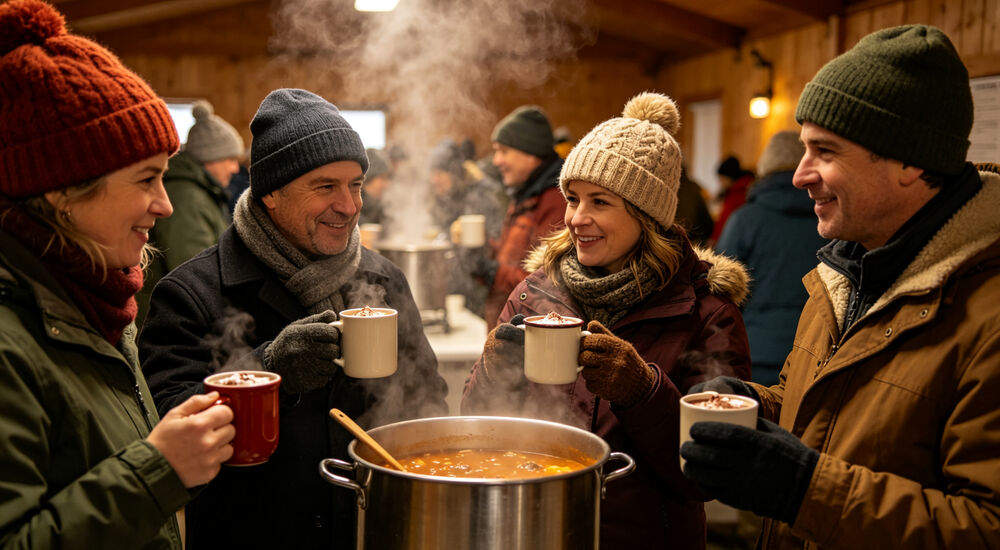
Hot food and warm drinks are just as important as blankets in a winter emergency.
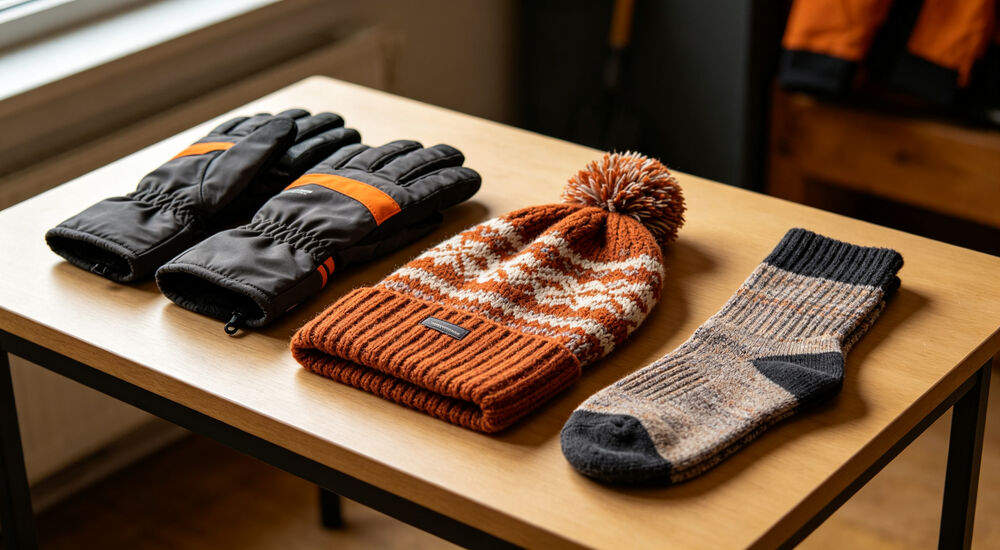
Your volunteers and staff are working outside in the cold. They need proper gear: insulated waterproof boots, heavy work gloves, warm hats, and thermal socks. Without it, they can't work for more than 30 minutes at a time. Make sure your team is equipped before you send them out.
When you're ordering winter PPE in bulk, don't skimp on the gloves. Cheap gloves get wet and stiff in minutes, and then your hands are freezing. Look for waterproof, insulated work gloves—they're a little more expensive, but they last way longer and keep hands functional. Same with boots: cheap boots leak, and wet feet are cold feet. Spend a little more on good boots, and your volunteers will thank you.
Also, remember that PPE isn't just for your staff. People out in the cold also need hats and gloves. When you're distributing kits, include a warm hat and a pair of gloves for every person. You'd be surprised how many people show up to a warming center in sneakers and a thin jacket—they didn't plan for the storm. Having extra hats, gloves, and socks to hand out is always a good idea.
Proper winter PPE keeps your volunteers working safely in sub-zero temperatures.
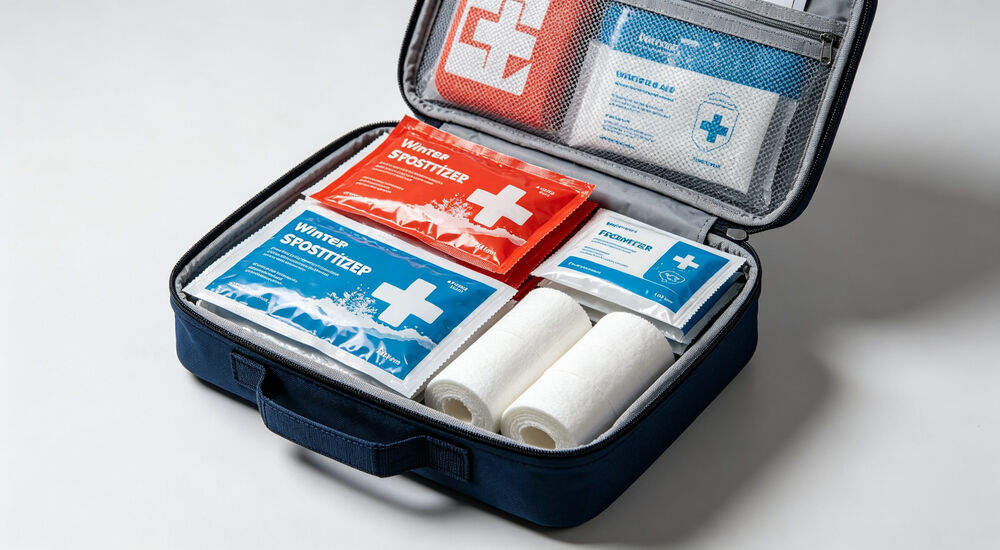
First aid in winter isn't just bandages. You need supplies for frostbite and hypothermia: extra blankets, warm packs, and supplies to gradually warm people up. Never rub frostbitten skin—you can damage it permanently. Train your team on how to recognize and treat cold injuries before you deploy.
Winter-specific first aid kits include supplies for frostbite and hypothermia treatment.
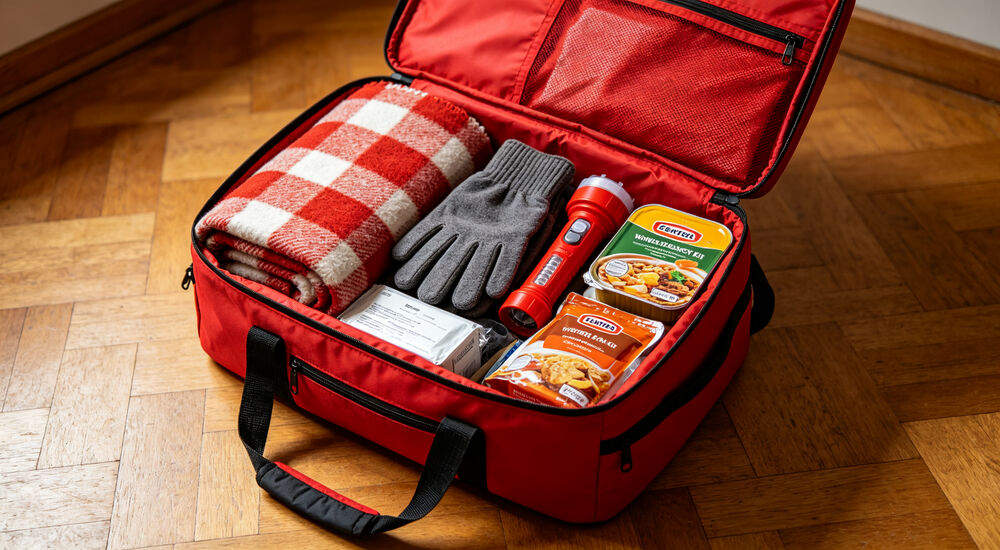
Putting it all together, a well-organized kit makes distribution fast and easy. When every item has its place, volunteers can hand out supplies without fumbling around. That's why we recommend organizing your ngo winter supplies in labeled, family-sized bundles—ready to go the second you need them.
Pre-packed family kits make distribution fast—just hand them out and go.
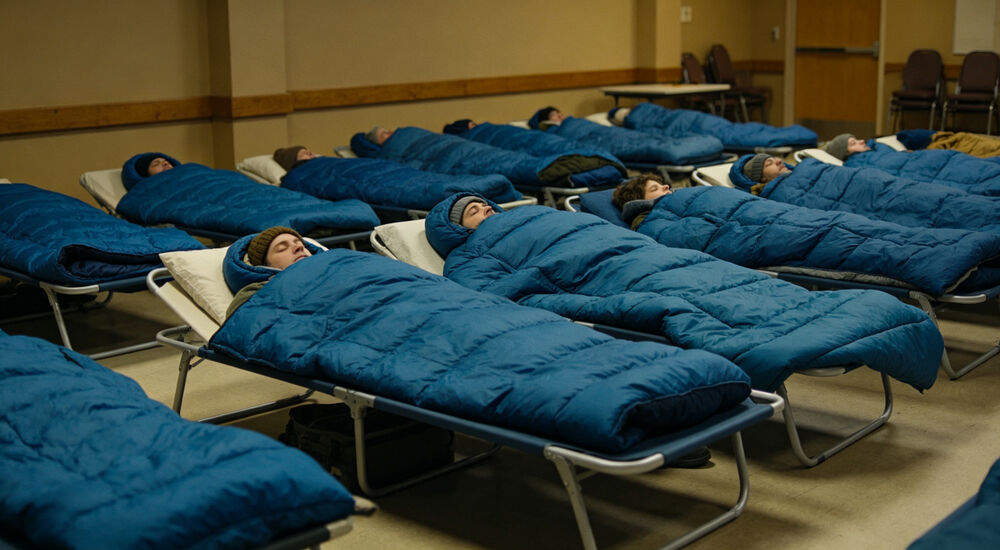
During the storm, roads are impassable and it's too dangerous to go outside. Your job is to set up warming centers, keep families informed, and get essential supplies to people who can't leave their homes. Here's what works:
One common mistake relief organizations make is waiting too long to open warming centers. They think, "It's not that cold yet, people can stay home a little longer." But by the time you open the doors, people are already freezing, already stressed, already standing outside waiting. Open early, close late—it's always better to have extra capacity than not enough.
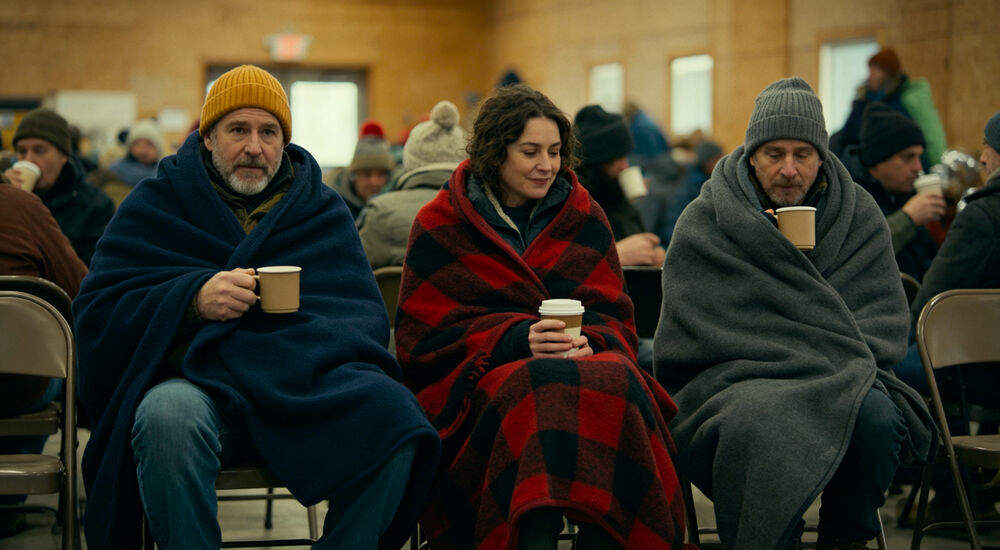
Warming centers are the first stop for families who lose heat during a winter storm.
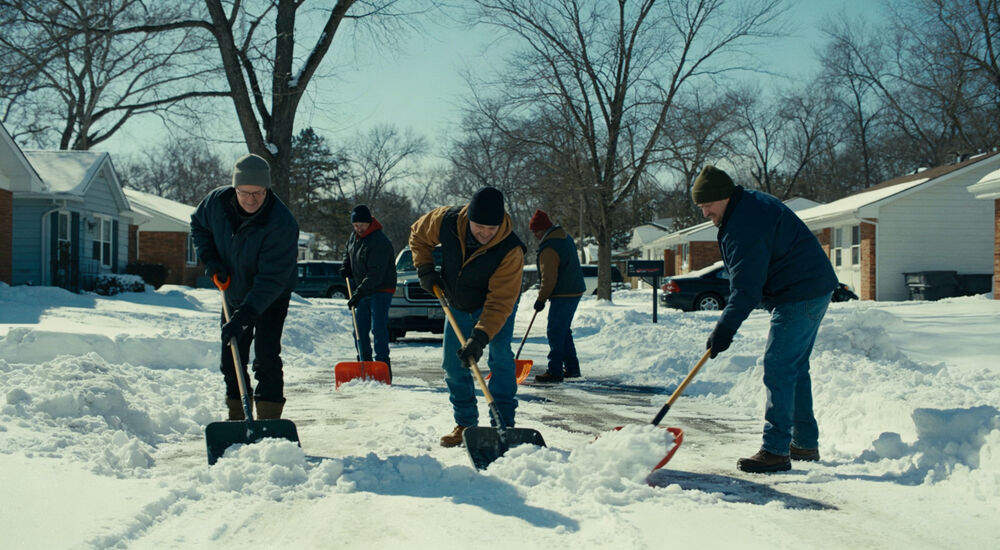
After the storm passes, the real work begins. Roads are blocked with snow. Trees are down. Power might still be out for days. People need help digging out, checking on their homes, and getting back to normal. For relief organizations, this is where most of the on-the-ground work happens.
Post-storm recovery usually lasts 1-2 weeks. The first few days are the most urgent—getting people warm, fed, and safe. After that, it's about helping people get their homes back to normal. That means helping shovel driveways, checking for frozen pipes, making sure seniors have heat, and connecting people with resources if they lost their power for too long.
Another thing to watch for after the storm is roof collapse. Heavy wet snow is incredibly heavy—6 inches of wet snow weighs about 20 pounds per square foot. That's enough to collapse a weak roof. Tell people to check their roofs for sagging, and clear snow off if it looks like it's too heavy. If someone has a roof leak or collapse, help them find temporary shelter until it's fixed.
For relief organizations, post-storm is when you need to keep records. Track who you helped, what supplies you gave out, and what's still needed. That way, when the next storm comes, you know what worked and what didn't. It also helps when you're reporting to donors or applying for grants.
After the storm, prioritize: clearing access roads, checking on homes with elderly residents, distributing food and water, and helping people who have frozen pipes or roof damage. Your wholesale cold weather gear supply doesn't end when the storm stops—recovery can take days or weeks.
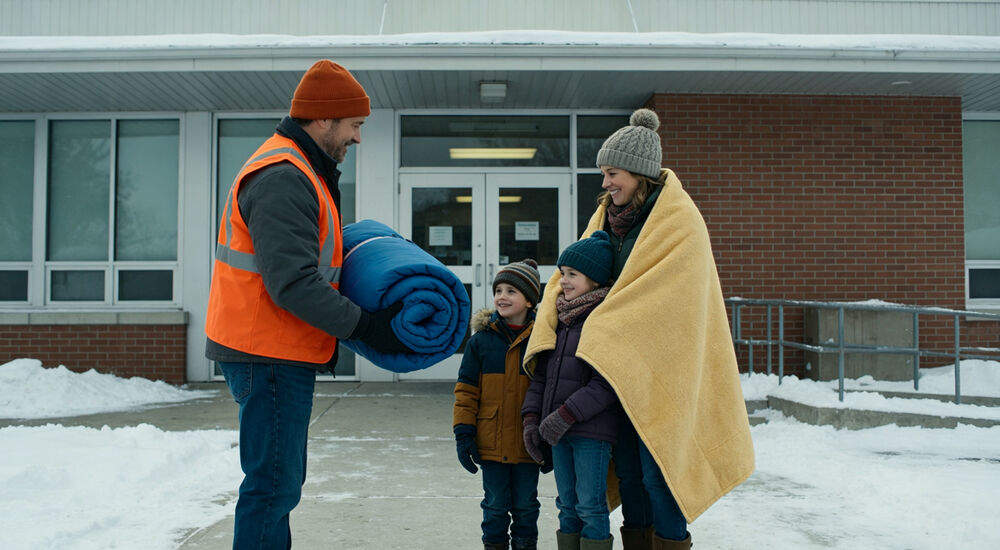
After the storm passes, communities need help digging out—driveways, walkways, access roads.
Not every relief organization has the same budget. Whether you're a small local group serving 50 people or a large international team serving thousands, there's a configuration that works. Below is a quick budget breakdown so you can plan your spend:
|
Organization Size |
Basic Package |
Standard Package (Most Popular) |
Full Package |
|
50 people |
Blankets, hand warmers, basic PPE |
Add sleeping bags, portable heaters, hot food |
Add shelter, full PPE, first aid kits |
|
200 people |
Essential warmth supplies |
Full 72-hour response kit |
2-week sustained response kit |
|
1000+ people |
Rapid response supplies |
Full relief camp setup |
Logistics + staffing support |
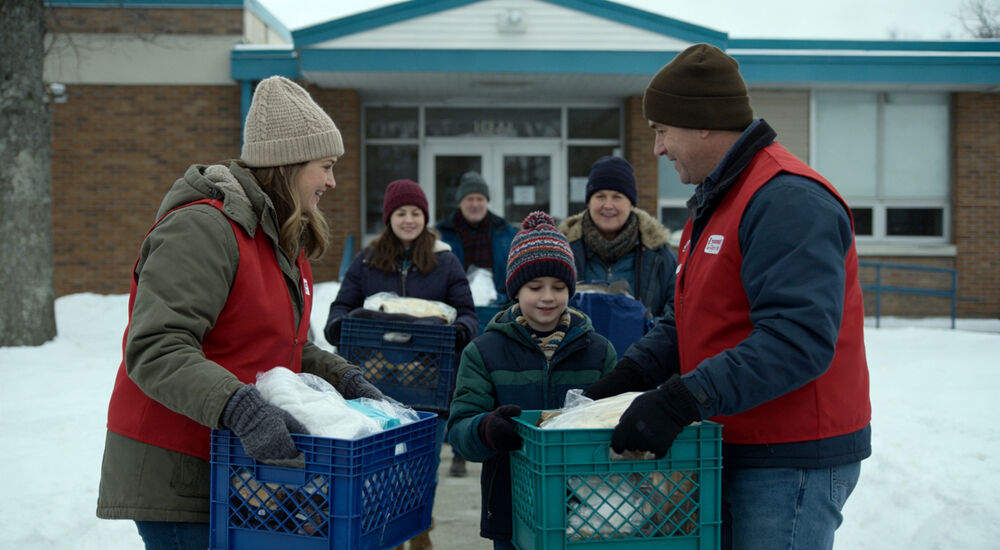
Fast distribution of warm supplies is what communities need most after a winter storm.
We work with relief organizations worldwide, providing bulk winter supplies for disaster response. We know that winter procurement isn't just about buying cheap blankets—it's about making sure people stay warm when the temperature drops. That's why we focus on quality gear that actually works in sub-zero temperatures, fast shipping, and flexible order sizes.
We specialize in bulk emergency blankets and disaster relief blankets, sourcing tested emergency cold-weather textile supplies, sourcing tested blankets, sleeping bags, and thermal gear from our China factory. Every product we ship is quality-checked to meet CE and ISO9001 standards, so it performs when it matters most.
We also know that every organization is different. Some are small local groups serving 50 people. Some are large international teams serving thousands. That's why we don't force you to buy huge minimum orders. Start with what you need, and scale up as your program grows. We're here for the long haul, not just one storm season.
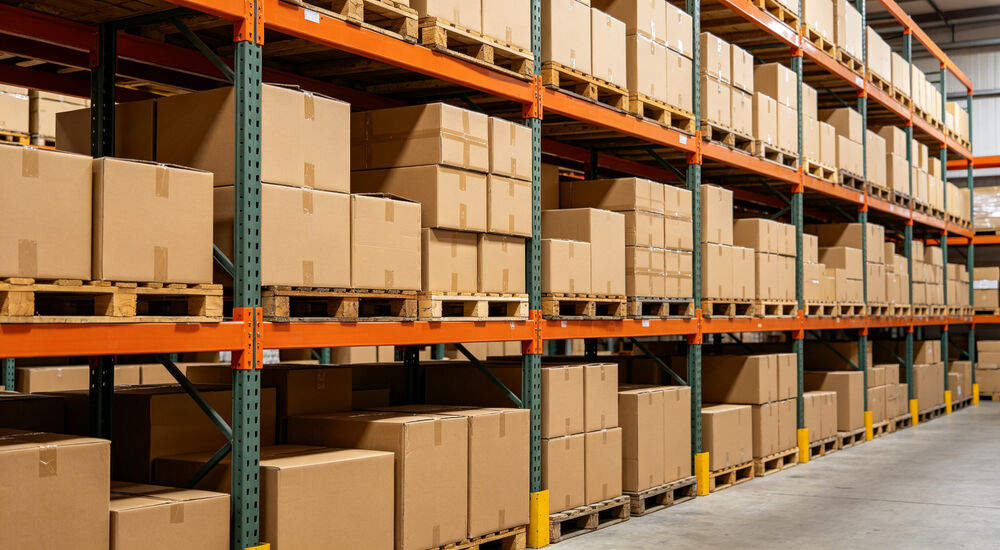
We stock a full range of cold weather relief supplies, ready to ship fast.
Whether you need a single bulk emergency kit for your local team or thousands of sleeping bags for a multi-day response, we can help. We handle all the logistics—sea freight, air freight, land transport—so you can focus on your mission.
What makes us different is that we don't just sell products. We help you build the right kit for your specific needs. If you tell us your region, your team size, and what types of storms you usually get, we'll recommend exactly what you need—no more, no less. We won't try to sell you stuff you don't need. Our goal is to be your long-term partner, not just a one-time supplier.
We also offer fast lead times. Most items are in stock and ship within 3-5 business days. If you have an emergency order, we can prioritize it and get it out the door the same day. We know that when a winter storm is coming, you don't have time to wait weeks for your order to arrive.
Here's a quick overview of the cold weather products we supply:
|
Product Category |
What We Offer |
|
Sleep & Warmth |
Thermal blankets, four-season sleeping bags, bivvy sacks |
|
Heating & Light |
Portable indoor heaters, hand warmers, flashlights, power banks |
|
Food & Water |
Hot food rations, hot cocoa packs, bottled water, purification tablets |
|
PPE |
Winter gloves, hats, thermal socks, waterproof work boots |
|
Shelter |
Insulated relief tents, windbreakers, ground sheets |
Our streamlined warehouse operation means fast lead times on all bulk winter orders.
September is the best time to order your winter supplies—before the storm season rush starts and shipping times get longer. Contact us today for a free quote on bulk winter emergency kit orders. We'll help you size your order for your team, recommend the right products for your region, and get it shipped fast.
Industry-wide, the same winter preparedness mistakes come up again and again. Here are the most common ones to watch out for:
Custom branded kits help your organization stand out in the field.
A: Start by mapping the winter risks in your service area—are you more likely to get blizzards, ice storms, or extreme cold? Then build your winter storm emergency kit inventory 2-3 months before winter starts. Pre-position thermal blankets, sleeping bags, and portable heaters in high-risk areas. Train your team on cold injury treatment before you need it.
A: We recommend ordering 2 per person—one for use, one spare. So for 100 people, order 200 thermal blankets. They're lightweight and cheap, and you can always use the spares next season.
A: For most U.S. winter storms, sleeping bags rated to 10°F (-12°C) work for most people. If you're in an area that gets polar vortex events with -20°F wind chills, go with bags rated to -20°F. Always check the EN/ISO temperature rating, not just the marketing label.
A: Yes, but only if they're rated for indoor use and you have proper ventilation. Never use a gas generator or charcoal grill indoors—those cause carbon monoxide poisoning. Always have working CO detectors in every indoor warming space.
A: It depends on the product. Most items have flexible MOQs for smaller organizations, and pricing gets better as you scale up. Contact us with your team size and we'll give you a quote.
A: Look for a supplier with experience working with relief organizations, products that meet international safety standards, and proven fast shipping. Ask for product certifications and references. We work with relief organizations worldwide and are happy to help you build the right kit.
A: We ship internationally. We handle sea freight, air freight, and land transport. Contact us with your destination and quantity for a shipping quote.
A: We recommend ordering 2-3 months before your typical winter storm season. That gives you time to inspect the gear, train your team, and pre-position supplies in high-risk areas. If you order at the last minute, shipping gets slow because everyone else is ordering at the same time. Always order early.
A: Yes. We offer custom branding on most of our products—you can add your logo to blankets, sleeping bags, first aid kits, and more. Custom branding helps your organization be recognized in the field, and it also makes the kits feel more personal for the families receiving them.
A: Thermal blankets and sleeping bags last 10+ years if stored properly. Hand warmers last about 3-5 years. Food rations last 3-5 years. For water storage, we provide 5000L collapsible water bladders and 20L foldable water tanks that can be deployed quickly in emergency shelters. Always check expiration dates once a year and rotate out any expired items.
A: Store everything in a cool, dry place, away from direct sunlight. Don't store blankets and sleeping bags in a damp basement—they'll get moldy. Also, don't store them near chemicals or gasoline, because they'll absorb the smell. Check your stock once a year to make sure nothing is damaged or expired.
A: Emergency blankets are made of mylar, which reflects 90% of your body heat back to you. They're super lightweight and compact—one fits in your pocket. Regular blankets are heavier and bulkier, but they're warmer for long-term use. We recommend keeping both: emergency blankets for rapid distribution, and regular sleeping bags for longer stays.
As a leading winter relief supplies manufacturer, we offer a wide range of products beyond the essentials listed above. Here are more products that relief organizations commonly source from us:
Application Sleeping-Bags-In-Shelter
Application Warming-Center-Hot-Drink
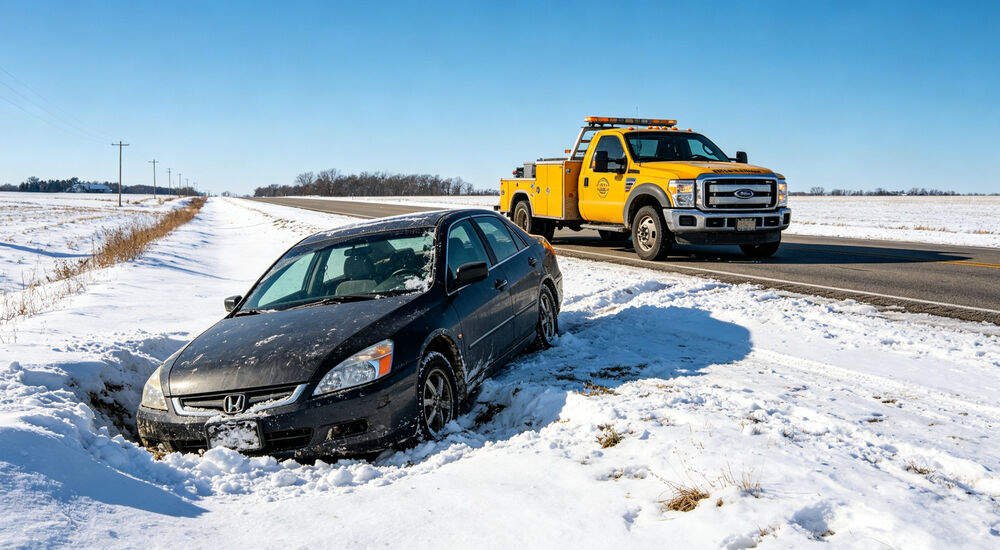
Application Car-Stuck-Bright-Day
Product Large-Diesel-Heater
Application People-Drinking-Hot-Drinks
Application Volunteer-Checking-Elderly
Product Organized-Supply-Boxes
Product Blankets-Sleeping-Bags-Pallet
Application People-Reading-Notice-Board
 |

|
Pautan Mesra :
hak cipta © Custom Disaster - Relief Bedding: Tents, Sleeping Bags, Blankets Hak cipta terpelihara
pasukan profesional untuk perkhidmatan !