Kategori
Last Updated: October 9, 2026
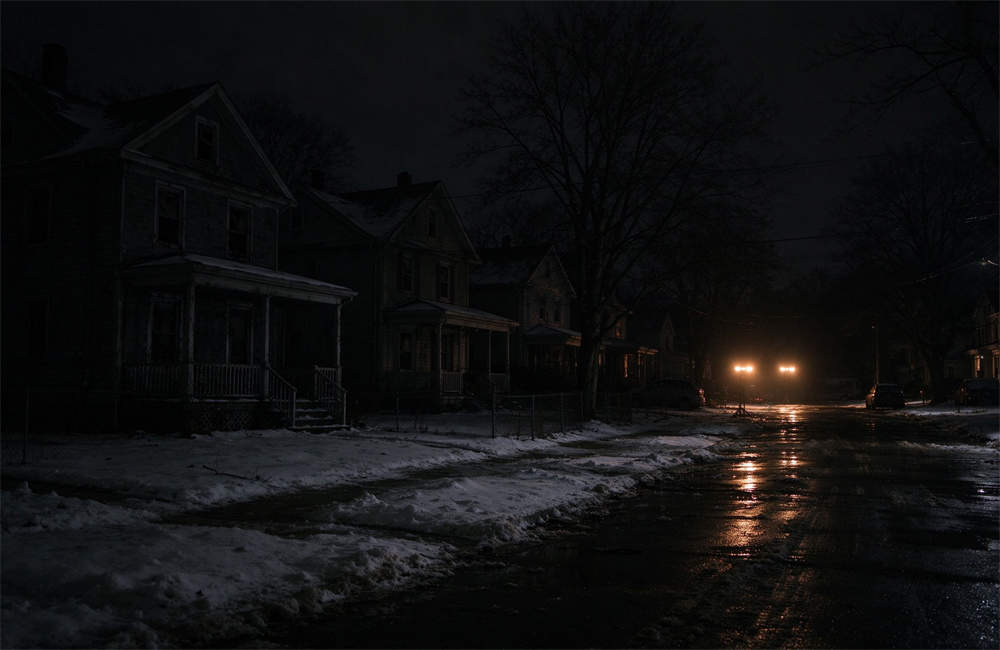
A winter storm knocks out power across a residential neighborhood, leaving homes dark for days.
When the grid goes down for 12 hours, 3 days, or a week, relief organizations, shelters, senior care facilities, and school districts need reliable, no-battery backup gear at scale. This guide covers exactly what bulk emergency kit supplies you need for power outage preparedness, real specs to check, and the procurement mistakes that leave you with dead gear when you need it most. We are a leading emergency supplies including collapsible water bladders and foldable water tanks wholesale supplier from China, specializing in blackout kit solutions for NGOs and shelters worldwide.
Multi-day outages are now the new normal, and organizations that serve the public—shelters, schools, senior care facilities, and relief NGOs—need more than just a few spare batteries. A complete bulk emergency kit for multi-day blackouts covers lighting, communication, charging, food safety, and overnight shelter supplies. Whether you are building a power outage emergency kit for a shelter or preparing for blackout preparedness as a relief organization, choosing the right bulk supplies makes all the difference.
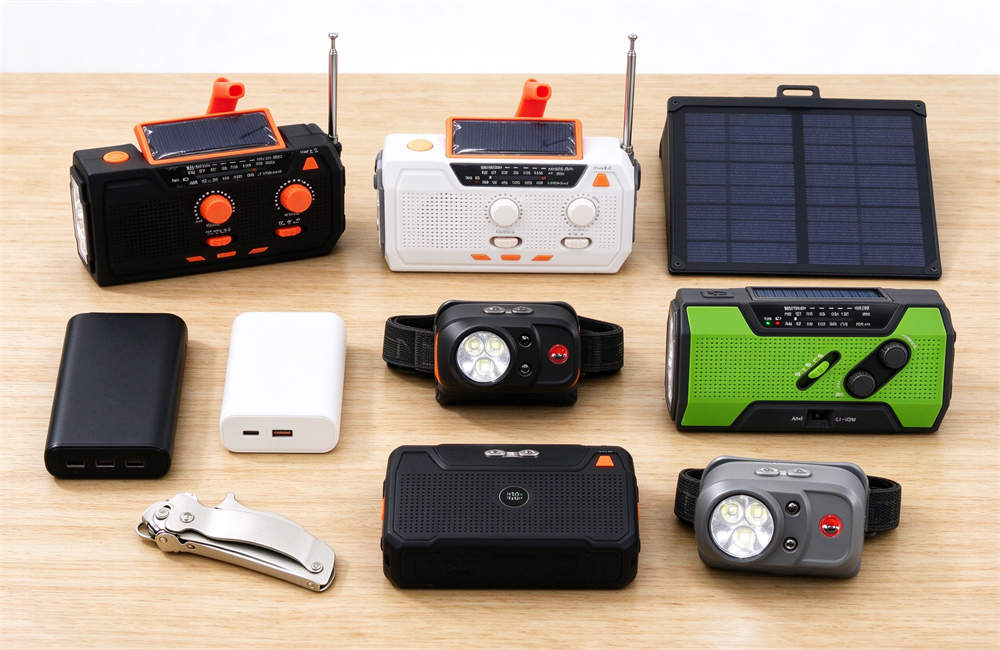
Our full product range: radios, headlamps, power banks, solar panels and more—all available in multiple colors and capacities for bulk orders.
When the grid fails, communication and lighting are the first systems to go. Hand crank radios keep rescue organizations informed, headlamps light up dark shelter hallways, and real-capacity power banks keep medical devices running. Every item works without wall power, no disposable batteries required.
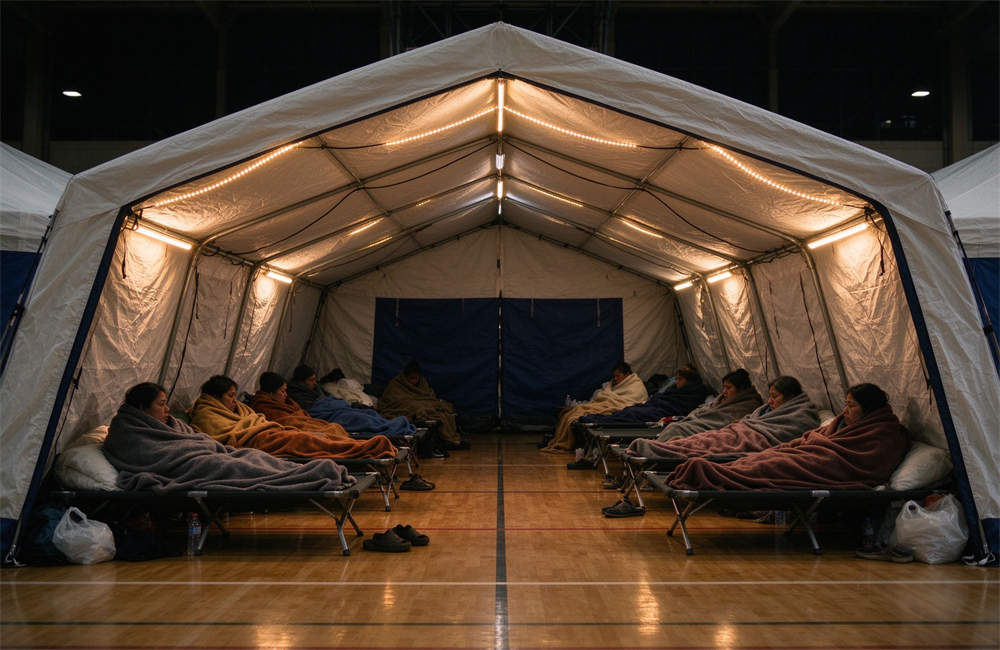
A school gym converted into a shelter: folding cots lined up, residents wrapped in emergency wool blankets, lit only by natural daylight from windows.
Bulk pre-stocking before storm season means you open the warehouse door and distribute gear the same day the outage starts. Every radio, headlamp, and power bank is tested before shipment, and we ship mixed pallets to any port worldwide.
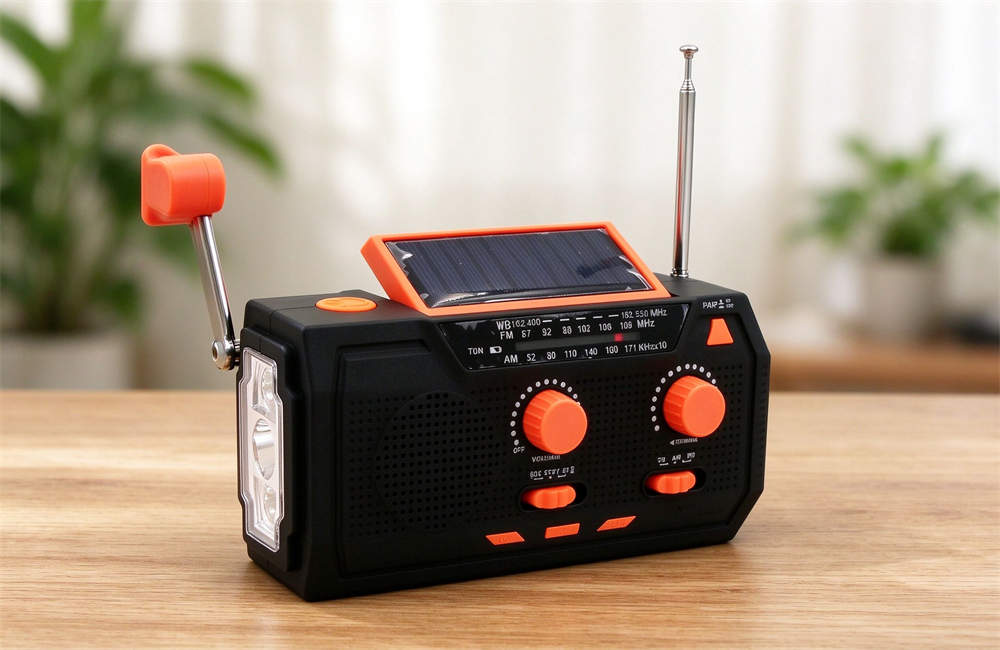
Hand crank solar weather radio: runs on sunlight and cranking, no batteries ever needed.
The difference between a real-capacity power bank and a fake one is the difference between charging a phone 4 times and charging it 2 times. We test every unit at 1A discharge before shipment and include a test report with every bulk order.
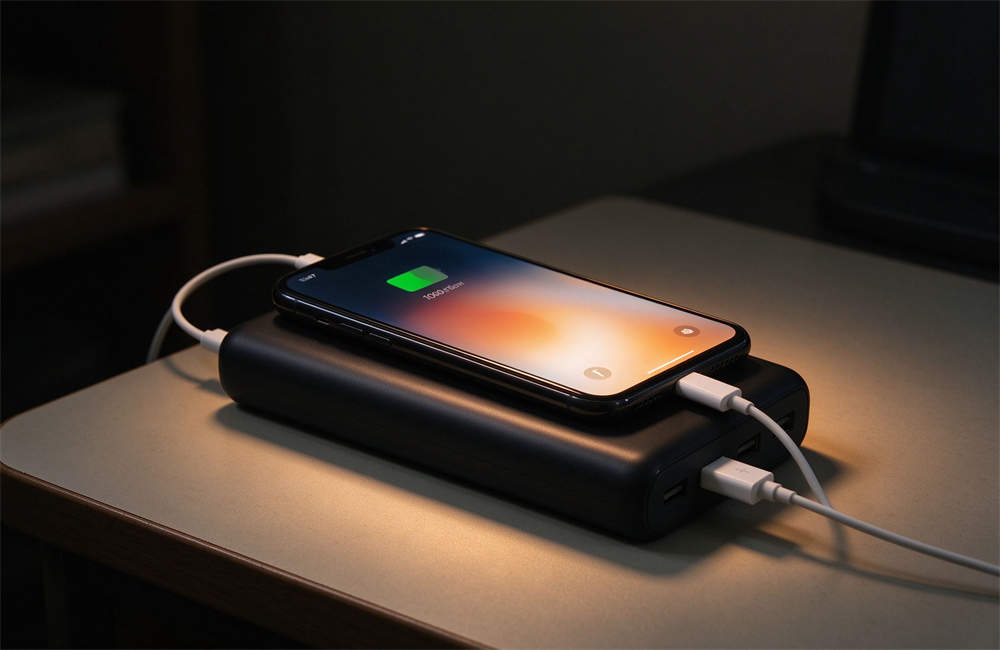
A real-capacity 10000mAh power bank keeps phones and small medical devices charged for days.
For senior care facilities and clinics, power-dependent medical devices like CPAP machines fail within hours of an outage. Dedicated 20000mAh power banks with 12V DC output keep those devices running through the night.
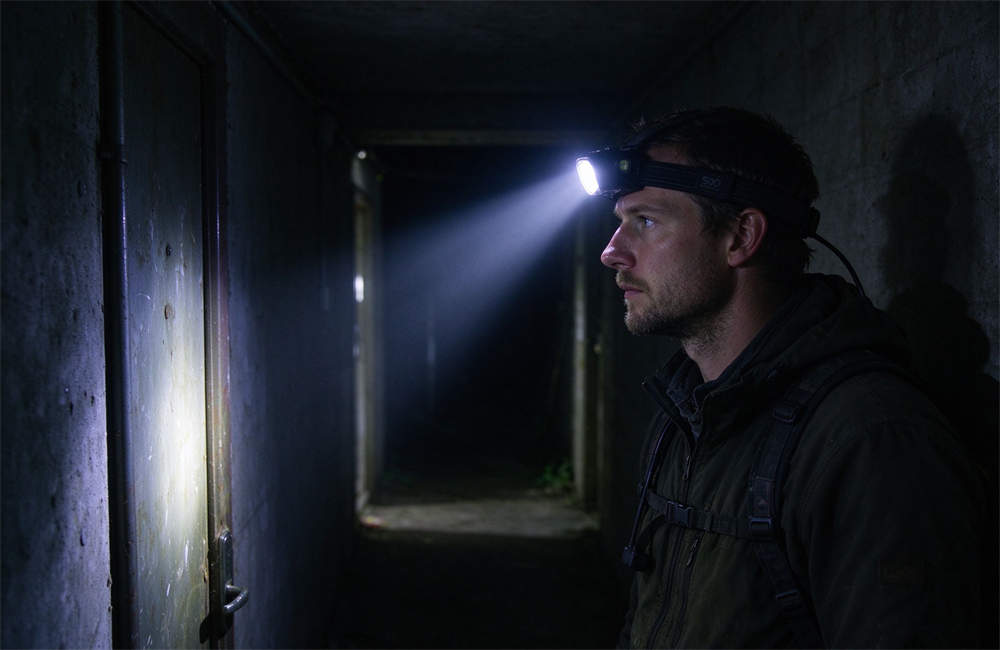
LED headlamps light up dark shelter hallways, leaving both hands free to carry supplies or assist residents.
When a winter storm knocks down power lines, or a heat wave crashes the grid, the first 12 hours are manageable. The problem starts at hour 48, when phone batteries die, flashlights run out, and people cannot get weather updates. The International Energy Agency reports that average multi-day outage durations have doubled since 2020, as aging grids fail under extreme weather.
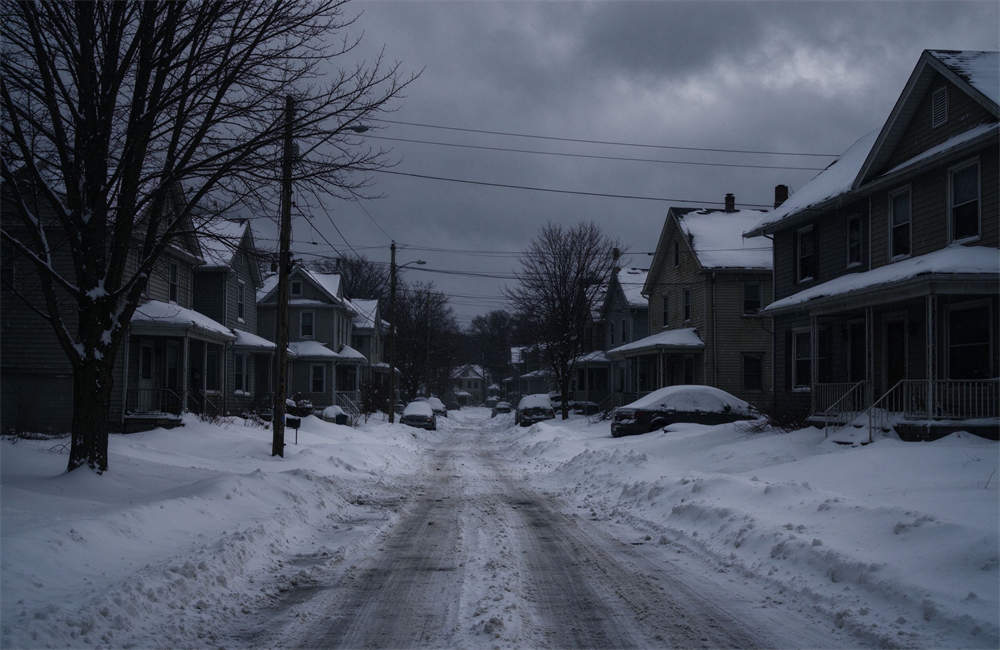
After a winter storm, entire neighborhoods sit in darkness for days until crews repair downed lines.
Multi-day blackouts are now a regular occurrence, making proper power outage preparedness critical for any organization that serves the public. Power outages used to last a few hours, while crews fixed a downed line. Now, ice storms snap utility poles for miles, heat waves push grids to their breaking point, and hurricanes destroy substations. The Ready.gov recommends every household and facility be prepared to be self-sufficient for at least 72 hours, but many rural communities are without power for a week or more after major storms.
Relief organizations that wait for the outage to order gear find that every supplier in the region is sold out of radios, flashlights, and power banks. Bulk pre-stocking before storm season means you open the warehouse door and distribute gear the same day the outage starts.
The World Health Organization notes that power-dependent medical devices (CPAP machines, oxygen concentrators, nebulizers) fail within hours of an outage, which is why senior care facilities and clinics need dedicated emergency power supply gear, not just generic flashlights.
Our China factory supplies bulk emergency power outage kits to shelters, senior care facilities, school districts, and relief NGOs worldwide. Every radio, headlamp, and power bank is tested before shipment, and we ship mixed pallets to any port.
Climate change is making multi-day outages worse, not better. Winter storm intensity is increasing in northern regions, heat waves are getting longer and more extreme in southern regions, and hurricanes are growing stronger. A 2023 report from the U.S. Department of Energy found that the number of outages lasting longer than 8 hours has increased by 60% over the last decade. Organizations that only plan for short outages are caught off guard when the grid is down for days.
The cost of being unprepared is far higher than the cost of pre-stocking gear. When an outage hits and you have to rush-order emergency supplies, you pay premium prices, wait weeks for delivery, and end up with whatever is left in stock—not the best gear for your needs. Pre-stocking before storm season lets you compare specs, test samples, and negotiate volume pricing.
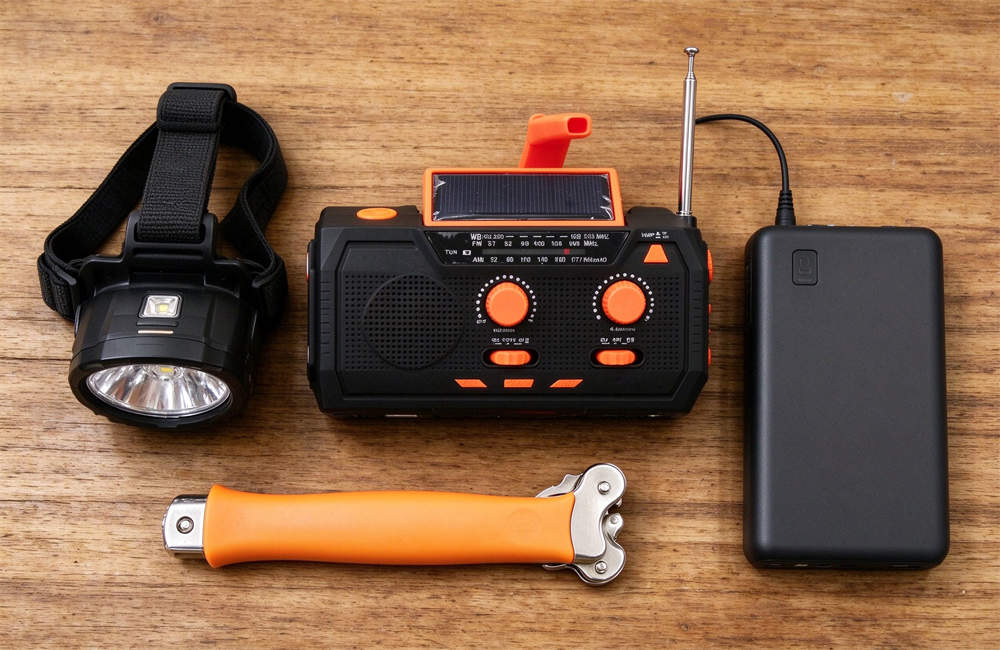
A complete bulk outage kit covers communication, lighting, backup power, and basic shelter supplies.
A complete bulk emergency kit or blackout preparedness kit covers four categories of emergency supplies wholesale procurement: communication (hand crank radios), lighting (headlamps and flashlights), backup power (power banks and solar chargers), and basic shelter supplies. Everything works without wall power, no batteries required. Most organizations under-buy power banks and over-buy disposable batteries, which die in a drawer after 2 years.
Category
What to buy
Qty for 100-person shelter
Why it matters
Communication
Hand crank solar weather radio
5 units
Get emergency alerts without power or batteries
Lighting
LED headlamp (20h battery)
20 units
Hands-free light for hallways and medical stations
Backup power
10000mAh real-capacity power bank
30 units
Keep phones and medical devices charged
Solar charging
20W foldable solar panel
3 units
Recharge power banks off-grid for multi-day outages
Kitchen safety
Hand-crank can opener
10 units
Open canned food when electric openers fail
Disposable batteries die in a drawer after 2 years, and you never know which pack is still good. Rechargeable power banks and hand crank gear work when you need them, every time. Over 5 years, hand crank and solar gear is cheaper than disposable batteries, and it never fails because it makes its own power.
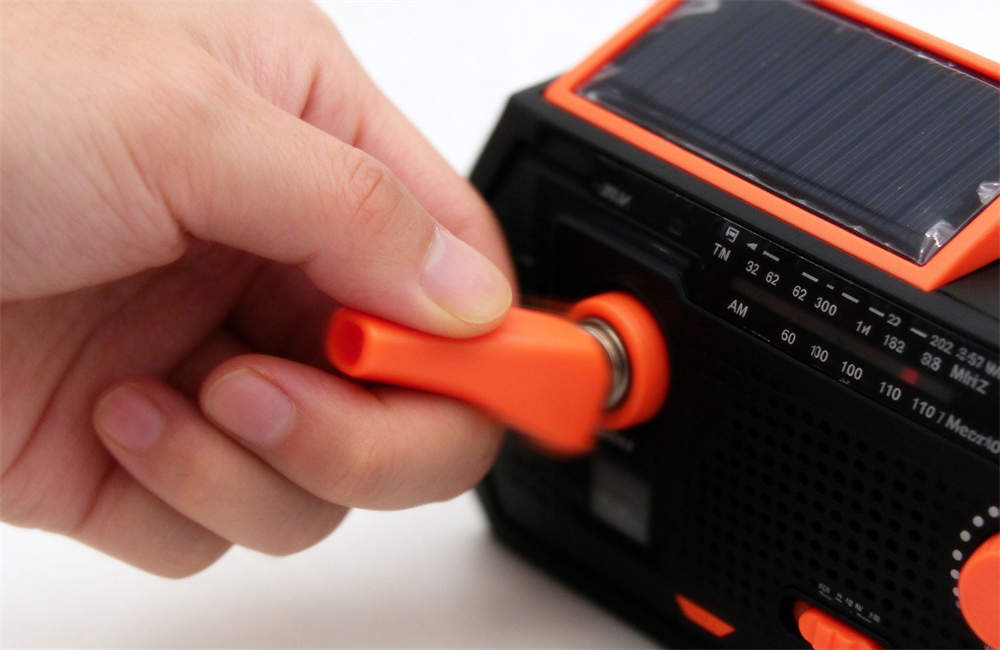
One minute of cranking gives 10-15 minutes of play time—enough for a senior to listen for an hour.
When you source bulk emergency radio units for your blackout kit, a battery-only radio is useless in a multi-day outage—once the AA batteries die, you are in the dark. A hand crank solar radio runs on sunlight and cranking, no batteries ever needed. But not all crank radios are the same; cheap ones crank for 5 minutes and only play for 2 minutes before dying.
When you buy bulk crank radios, check three real specs: first, how long does 1 minute of cranking last? Our radios give 10-15 minutes of play time per minute of cranking, so a disabled senior can crank for 5 minutes and listen for an hour. Second, is the unit IPX4 splash-proof? Cheap radios die in damp shelter conditions; ours survive damp basement and storm shelter use. Third, does it have a NOAA weather band? Many cheap radios only pick up AM/FM, not the emergency weather alerts that tell you when the outage will end.
Our radios also have a built-in LED flashlight and a USB port, so you can charge a dead cell phone from the radio's crank generator. We print your organization logo on the front, so shelter staff know which units are yours during mutual aid responses.
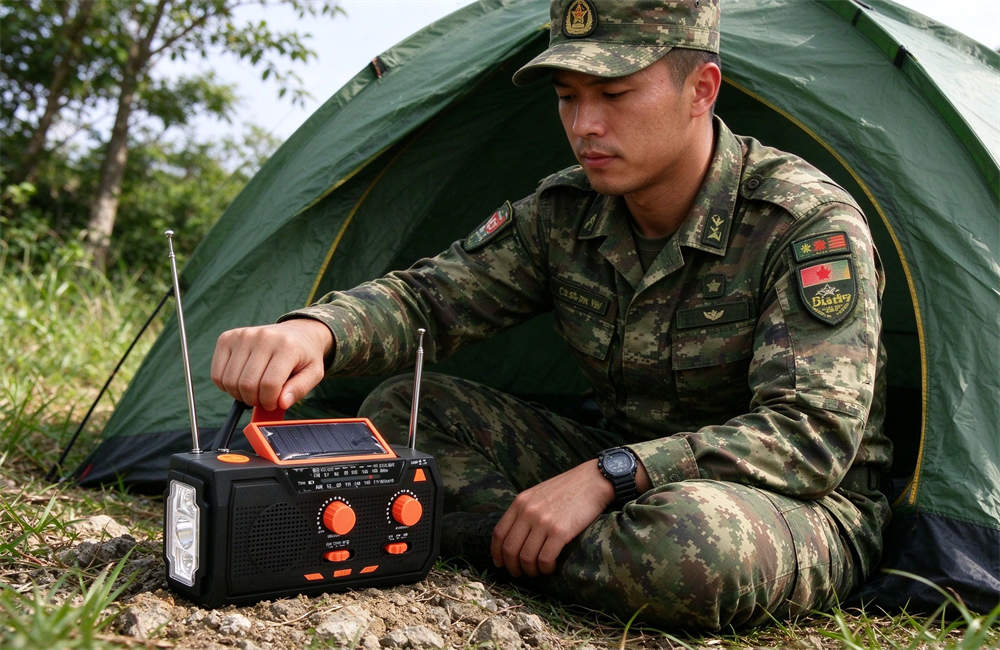
Relief workers use crank radios to receive emergency alerts when cell towers are down.
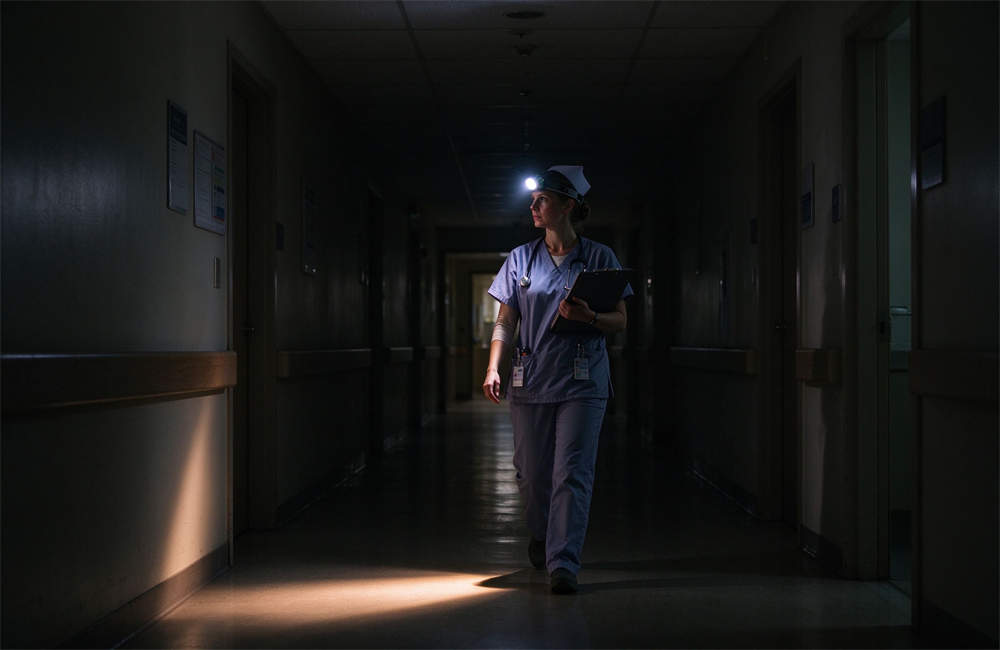
Headlamps give medical staff both hands free to carry supplies and assist residents in dark hallways.
When the power goes out in a shelter, hallways go dark, medical stations lose light, and people stumble trying to find the bathroom. Headlamps are better than handheld flashlights in shelters, because staff need both hands to carry supplies or help seniors. Our LED headlamps run for 20 hours on a single charge, have a red light mode that does not ruin night vision, and are IPX5 splash-proof for damp use.
When you buy bulk headlamps, check two things: first, the beam distance. Cheap headlamps light up 10 meters; ours light up 50 meters, enough to see down a shelter hallway. Second, the strap. Cheap straps are thin plastic that breaks after 10 hours of use; ours are adjustable nylon, comfortable to wear over a winter hat.
We also supply a small number of handheld flashlights for supply closets, but headlamps are the workhorse. We recommend 20 headlamps for a 100-person shelter—10 for staff, 10 spares for people who forgot their own. For school districts, add 10 extra per gymnasium or cafeteria, which double as emergency shelter space.
For general storage closets and supply rooms, handheld flashlights are still useful for staff who need to quickly illuminate a room without wearing a headlamp. We supply a range of tactical flashlights and rechargeable camping lanterns to complement our headlamp line, so you can cover every lighting need in your shelter with one supplier.
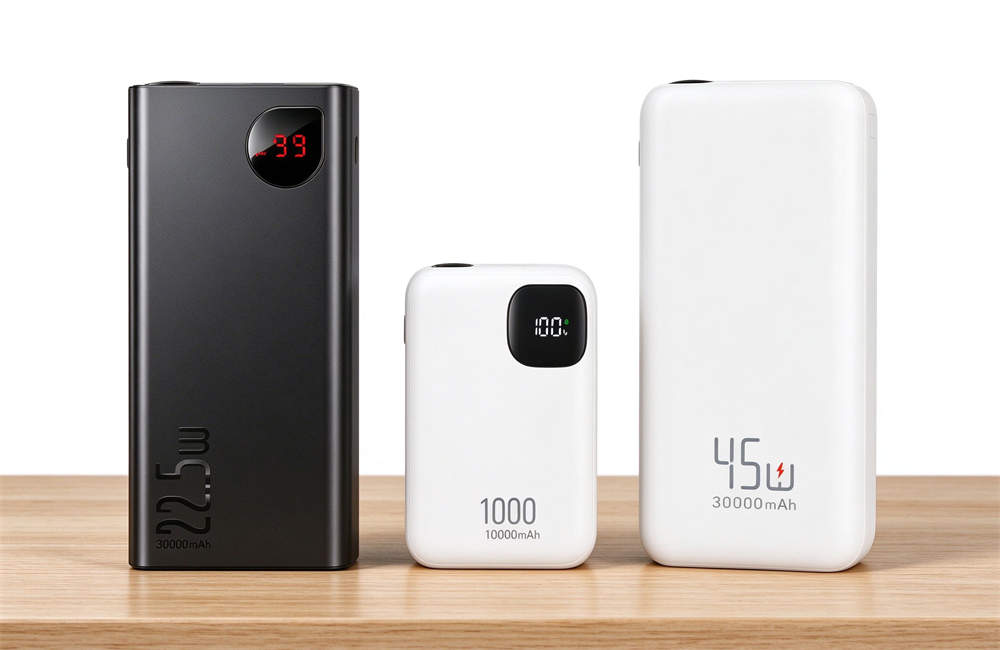
This is the most common procurement scam when buying emergency supplies wholesale: cheap power banks labeled "20000mAh" that actually hold 5000mAh. When you buy bulk portable power stations, you will see units listed at $5 each, while ours are $8-$12. The difference is real capacity. We test every power bank before shipment: we discharge it at 1A, measure the actual mAh, and confirm it matches the label.
Our 10000mAh power banks charge an iPhone 4 times, and hold a charge for 18 months on the shelf. Cheap power banks lose 30% of their capacity after 6 months in a warehouse, so when you need them, they are already half dead. We also supply 20000mAh units for charging medical devices, with a 12V DC output for CPAP machines.
When you source bulk power banks, always order a sample first, and test it. Run it down completely, measure how many times it charges your phone, and compare it to the label. If it only charges your phone twice, it is fake. We include a test report with every bulk order, so you can verify the numbers without testing every unit.
Multiple capacity options: 10000mAh, 20000mAh, and 30000mAh—match the right size to your shelter's needs.
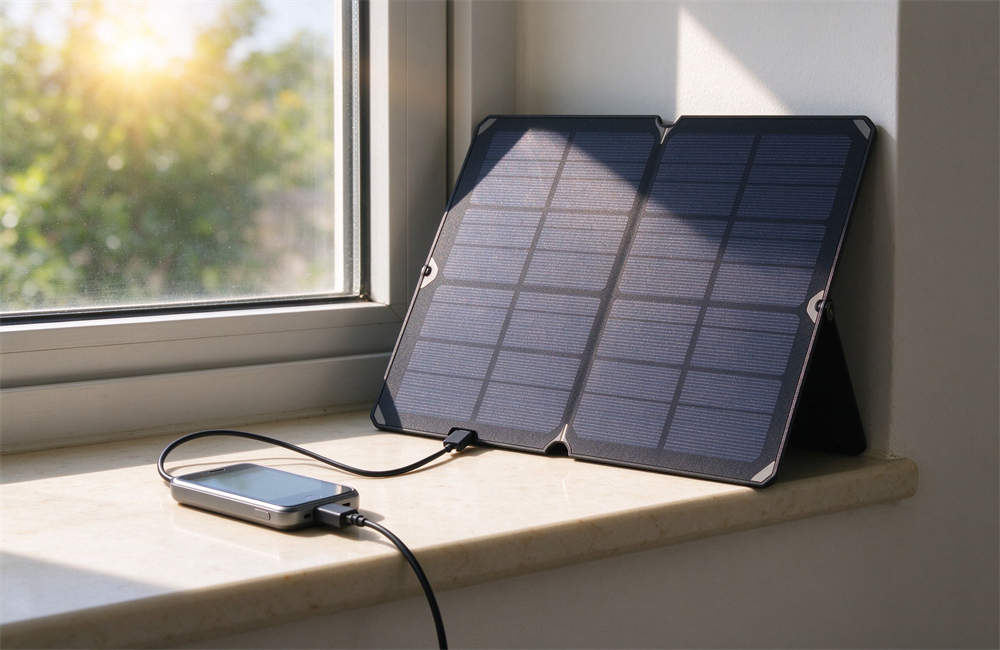
A 20W foldable solar panel recharges power banks off-grid in 4 hours on a sunny day.
For multi-day outages, power banks run out. A 20W foldable solar panel lets you recharge power banks, phones, and even a small CPAP machine, just from sunlight. These are perfect for shelters in remote areas, where the grid might be out for a week.
Our solar panels are foldable, waterproof, and have two USB ports, so you can charge two devices at once. On a sunny day, a panel recharges a 10000mAh power bank in 4 hours. We recommend 3 panels per 100-person shelter, so staff can rotate charging devices without waiting.
Cheap solar panels have thin monocrystalline cells that break after one fold; ours have reinforced PET layers, and survive 10000 folds without breaking. The panels weigh 1kg, fold to the size of a notebook, and come with a built-in stand so you can prop them up at a sunny window.
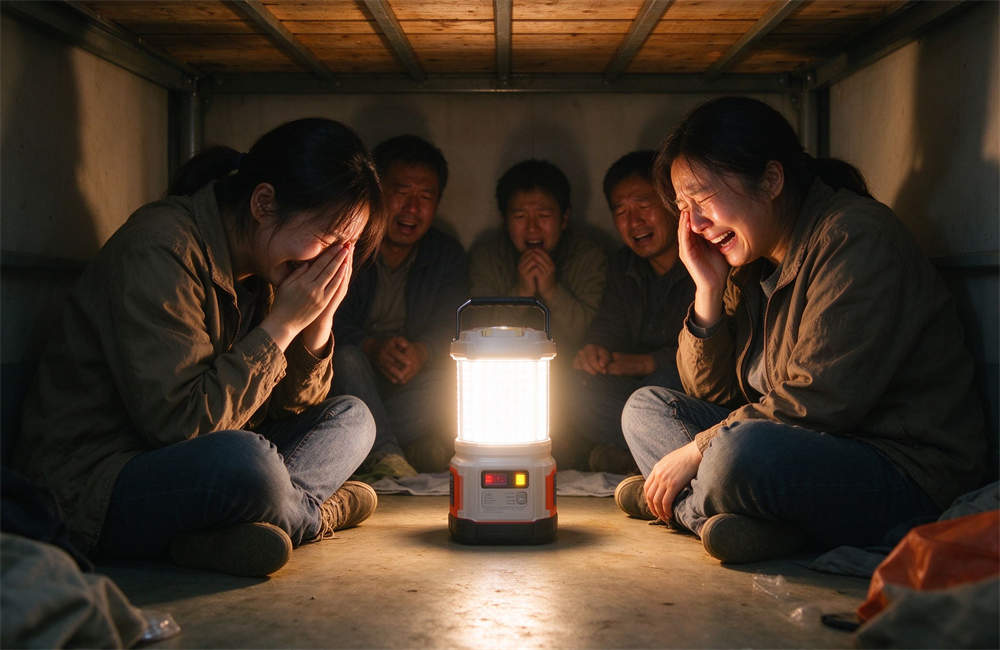
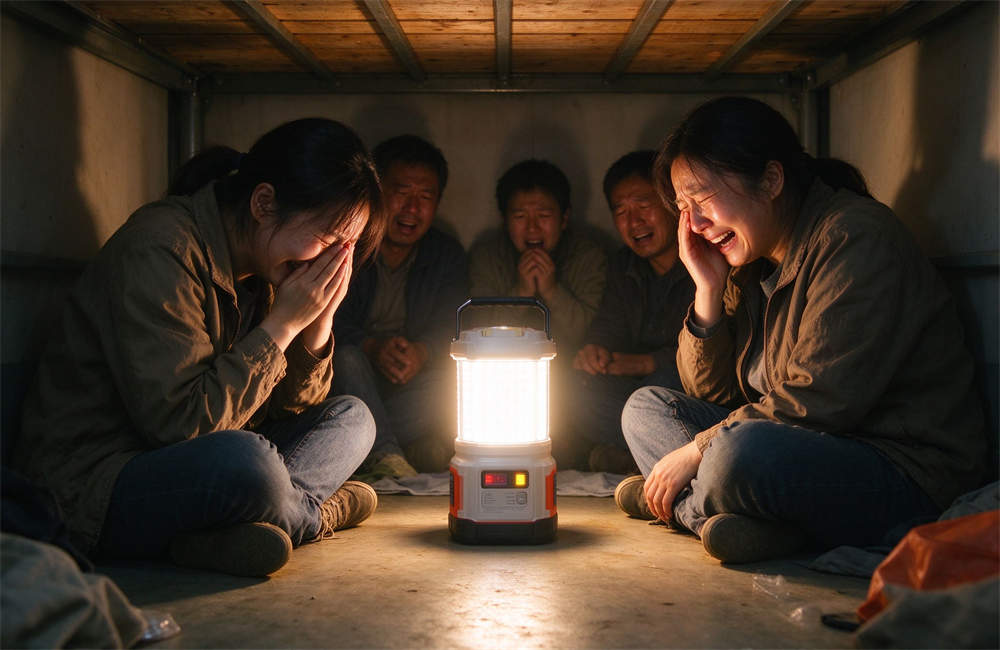
Battery-powered LED lanterns give enough light for a nursing station or common area without harsh glare.
Senior care facilities and clinics have special needs: CPAP machines, oxygen concentrators, and nebulizers all need power, and an outage is a medical emergency. For these facilities, we supply 20000mAh power banks with 12V DC output, enough to run a CPAP machine for 2 nights.
We also supply battery-powered emergency lanterns, which give off enough light for a nursing station, without the harsh glare of a headlamp. These lanterns run for 40 hours on a charge, and have a dim mode for nighttime, so they do not wake residents up.
When you source power gear for medical facilities, always check the output specs. A regular phone power bank will not run a CPAP machine—it needs a 12V DC output, not just USB. Our spec sheet lists every output and voltage, so you can match the right gear to your devices. The International Labour Organization recommends that health care facilities test backup power gear every quarter, to make sure it works when patients depend on it.
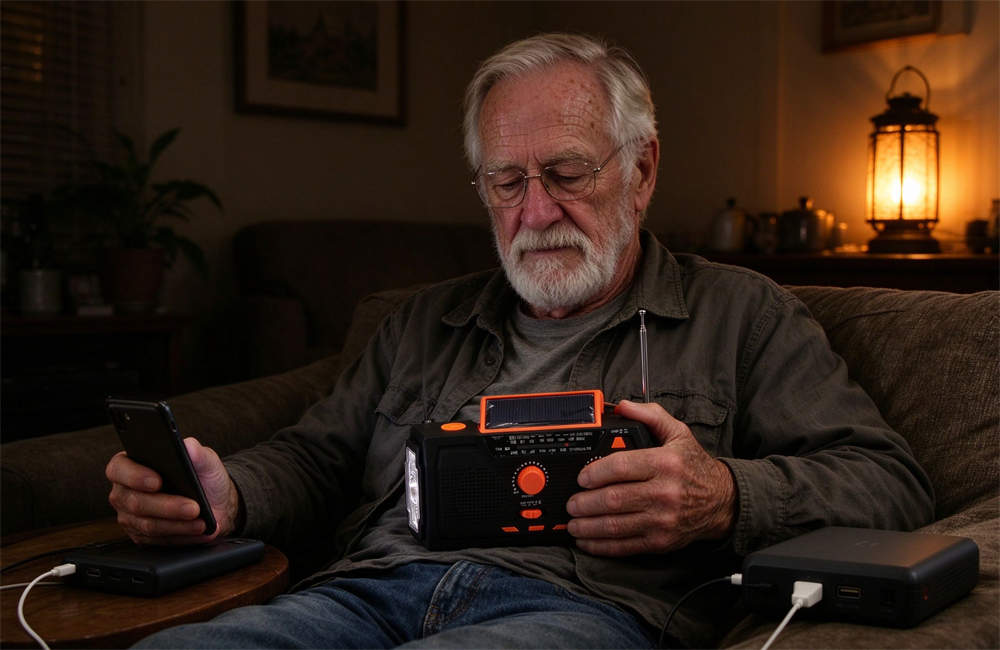
Hand-crank radios and USB power banks keep seniors connected and charged during multi-day blackouts.
When a multi-day outage hits in winter, heating stops too. A school gym or community center opened as an evacuation center has 200 people sleeping on the floor, with no heat and no blankets. This is where our textile products come in—not for fighting the outage, but for keeping people warm once they are already sheltered.
We supply thick emergency wool blankets (1.5kg, 150×200cm) that keep adults warm on a gym floor overnight, even when the room is 10°C. They are washable, durable, and fold flat for storage. We also supply compact emergency sleeping bags that pack to the size of a water bottle, so you can store 200 of them in a small closet. For senior care facilities, we supply folding cots that set up in 10 seconds, so elderly residents do not have to sleep on a cold gym floor.
These are not "emergency gadgets"—they are the items that make an evacuation center actually usable for a night. A shelter with power, light, and communication gear but no blankets is still a cold, miserable place. Most relief organizations under-order overnight supplies, because they focus on radios and flashlights and forget that people need to sleep.
When ordering overnight shelter supplies, calculate 1 blanket per person, plus 10% extra for spares. For a 100-person shelter, that means 110 blankets. If you are in a cold climate, add emergency sleeping bags for residents who might be outside waiting for evacuation transport. Folding cots are a worthwhile upgrade for senior care facilities, where residents cannot sleep on cold floors without aggravating existing health conditions.
We also supply weatherproof ponchos and insulated work jackets for shelter staff who have to work outside during rain or snow. Staff who are cold and wet cannot stay focused on their duties, so protecting your team is just as important as protecting the residents you serve.
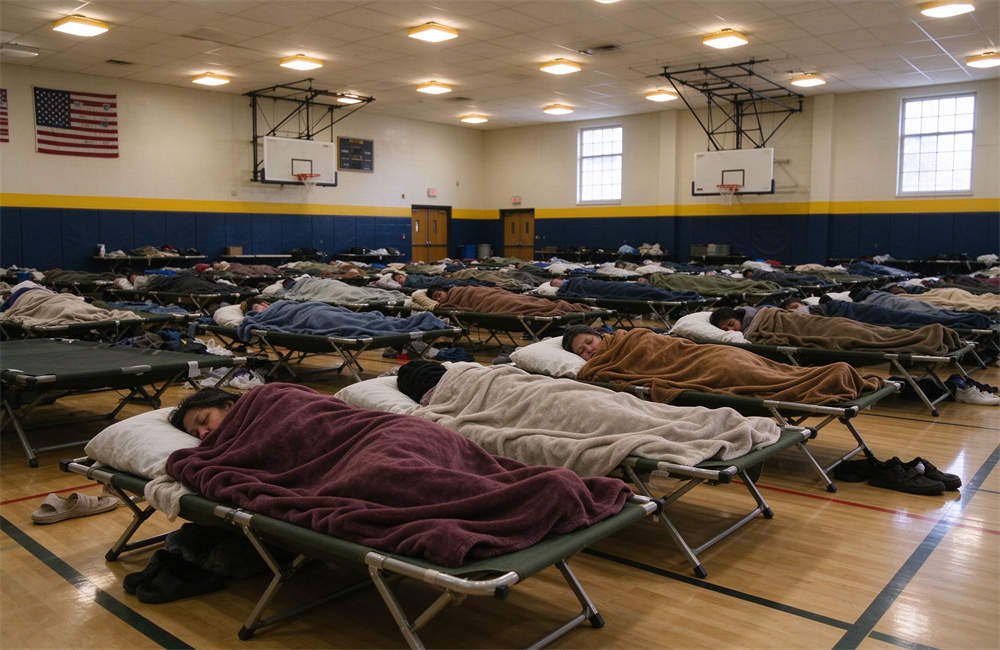
Thick emergency wool blankets (1.5kg) keep adults warm on a gym floor overnight, even when the room is 10°C.
Factories, warehouses, and small data centers have their own backup power needs. Most already have diesel generators, but those take 30 seconds to start up, and they need someone on site to switch over. In those 30 seconds, PLC controllers, barcode scanners, and office computers shut down, causing data loss and production downtime.
That is why we supply small UPS-style power banks for control rooms and IT closets. These units give you 15 minutes of backup power, enough to save work, shut down equipment safely, and get the generator online. For warehouse staff, we supply cordless work light banks, which stay charged in a charging dock and give 8 hours of light during an outage, so order pickers can keep working. For chemical storage areas, we recommend sourcing intrinsically safe flashlights from a local industrial supplier; our standard consumer lights are not rated for explosive atmospheres.
For factory managers, we recommend doing a full power dependency audit once a year: list every piece of equipment that needs power, how long it can safely stay off, and what happens if it shuts down unexpectedly. This audit tells you exactly where to deploy backup power—you do not need to back up every outlet, just the critical systems that cause costly downtime if they go down. Most factories end up needing backup power for control panels, PLC controllers, barcode scanners, and emergency exit lighting, not for general office outlets.
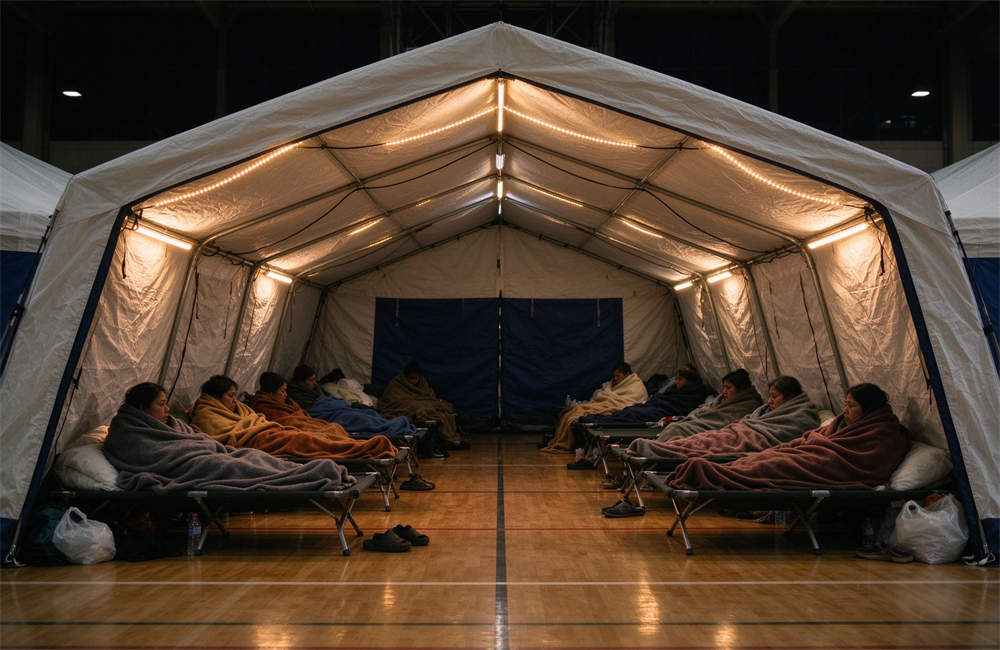
Small UPS-style power banks give 15 minutes of backup to save work and shut down equipment safely.
When the power goes out, refrigerators stop working. A full freezer stays cold for 48 hours if you keep the door closed, but after that, all the food spoils. Relief shelters do not need to store thousands of calories of food—most people bring their own—but they do need hand-crank can openers, so people can open canned food without electric openers.
We supply hand-crank can openers, which work forever, no batteries needed. We also supply waterproof notebook and pens, so shelter staff can keep track of residents and medication doses, even when the lights are out.
For multi-day outages in summer heat, food safety becomes even more critical. Perishable food in a refrigerator will spoil within 4 hours if the door is opened repeatedly. Shelter staff should instruct residents not to open refrigerator doors unless absolutely necessary. We supply insulated cooler bags that can keep food cold for 24 hours with ice packs, which helps bridge the gap until power returns.
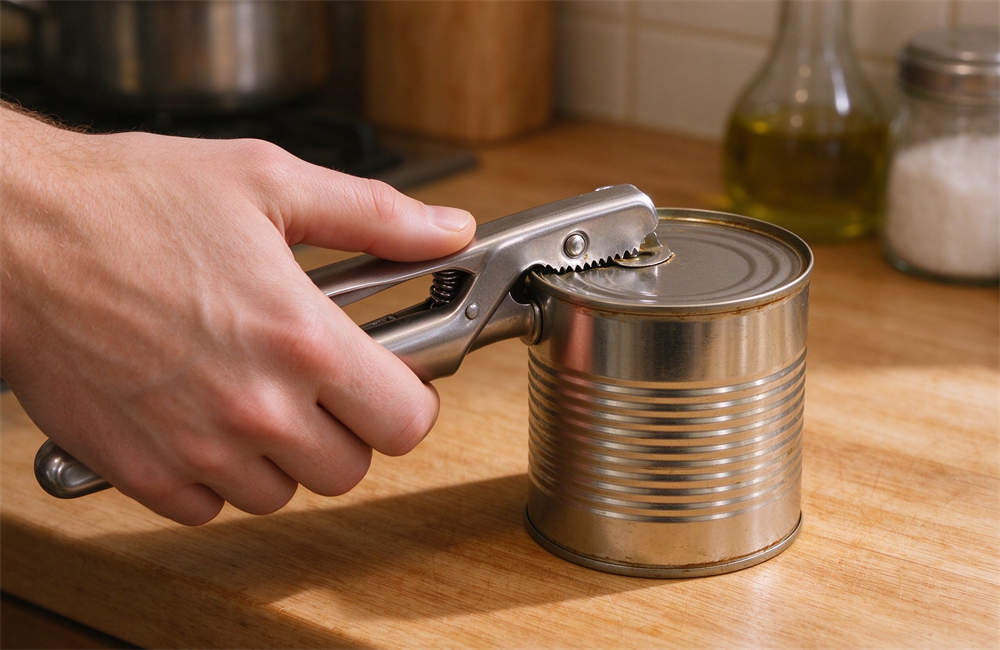
Hand-crank can openers work forever with no batteries—essential when electric openers fail.
When building your bulk emergency kit, the first mistake is buying the cheapest power banks, which are fake capacity. You save $2 per unit on a 500-unit order, but you end up with gear that does not work when you need it. Always test a sample first. Second, waiting until a storm is forecast to order. When a hurricane is on the way, every supplier is sold out, and lead times stretch to 8 weeks. Order in the off-season, when prices are 20% lower and stock is available.
Third, storing gear in a damp basement. Cheap electronics die in damp conditions; our gear is sealed for damp shelter use, but storing it in a wet basement still ruins it. Store gear in a dry, climate-controlled closet, and test it once a year. Fourth, buying radios without a weather band. AM/FM radios do not get emergency alerts, so you have no idea when the power will come back on.
Another mistake is over-buying disposable batteries. People think "we will just use regular AA batteries," but batteries die in storage, and you never know which pack is still good. Hand crank and solar gear never dies, because it makes its own power. Over 5 years, hand crank gear is cheaper than disposable batteries, and it works when you need it.
Fifth, under-ordering spare units. Every deployment will have some units that break, get lost, or get dropped by residents who are stressed and tired. Ordering 10% extra headlamps and power banks means you do not have to run out halfway through an event. We recommend spares for 10-15% of your total order quantity.
Sixth, not testing gear regularly. A kit that sits on a shelf for 2 years might have dead batteries, corroded contacts, or cracked plastic that you only discover when you need it. We recommend an annual inspection of all emergency gear: turn on every radio, test every power bank, check every flashlight. It takes an hour for a 100-person shelter, and it saves you from discovering dead gear during an actual outage.
The American Red Cross recommends that every organization maintain a 72-hour emergency preparedness kit. The National Fire Protection Association (NFPA) publishes guidelines for emergency lighting and power backup in public assembly spaces. The FEMA recommends that organizations rotate their emergency power gear every 3 years, not just store it forever. Power banks lose capacity over time, even if you never use them. We include a printed sticker on every unit with the year of manufacture, so you know when to replace it.
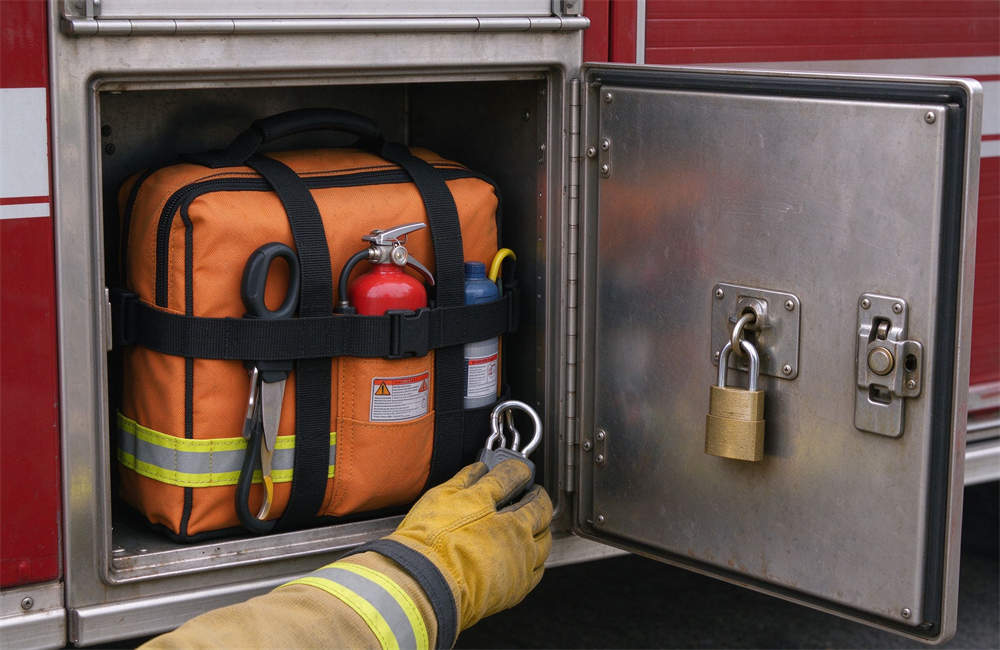
Storing gear in a locked, damp cabinet is a common mistake—gear needs dry climate-controlled storage and annual testing.
This budget guide for power outage preparedness covers a 100-person shelter, with 20 staff and 80 residents. Prices are FOB China, based on mixed pallet orders of 500+ units. For smaller pilot orders of 100 units per item, unit prices run 15-25% higher. We recommend ordering 10% extra headlamps and power banks, to cover units that break or get lost during deployments.
Item
Unit cost (FOB China)
Qty for 100-person shelter
Subtotal
Hand crank solar weather radio
$12-$22
5 units
$60-$110
LED headlamp (20h battery)
$4.50-$8.00
20 units
$90-$160
10000mAh real-capacity power bank
$8-$12
30 units
$240-$360
20W foldable solar panel
$25-$45
3 units
$75-$135
Hand-crank can opener
$1.50-$3.00
10 units
$15-$30
Thick emergency wool blanket (1.5kg)
$4.50-$8.00
50 units
$225-$400
Folding cot
$12-$22
20 units
$240-$440
Bulk pallet discount (500+ units mixed)
15% off total order + free ocean freight to major ports
Total per shelter: $945-$1,635. For a 1000-person school district, multiply by 8-10, and the bulk discount kicks in. We also offer annual replenishment contracts, where we send you a quote every year to replace expired power banks and worn blankets, so you do not have to re-purchase from scratch.
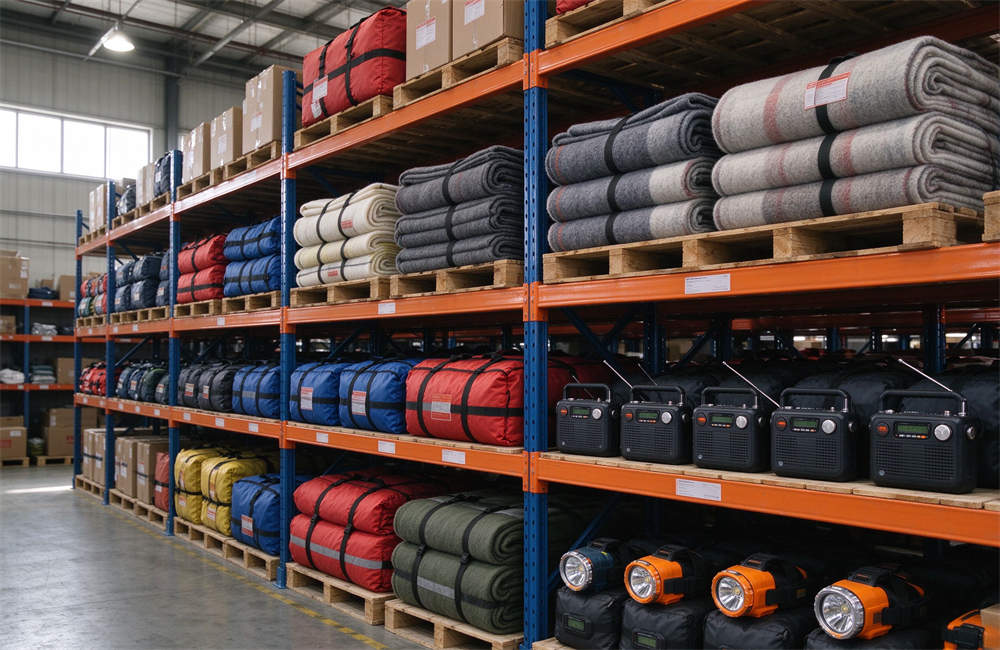
Mixed pallet orders of 500+ units qualify for bulk discounts and free ocean freight to major ports.
When you source bulk outage kit gear from our China factory, every order goes through three QC checks: incoming material inspection, mid-production check, and final function test. We test every power bank's actual capacity by discharging at 1A and measuring output, every radio's crank performance (1 minute crank = 12 minutes play), and every headlamp's battery life (20 hours continuous) before shipment. We provide CE, RoHS, and ISO9001 documentation, so customs clearance is smooth.
Our order process is simple: send us your list and target quantity, we send back a proforma invoice with pricing and lead time, you confirm and pay the deposit, we produce and QC, you pay the balance, we ship by sea or air. Lead time for standard stock items is 7-15 days; custom logo orders take 25-35 days. We can ship to any port worldwide, and work with your freight forwarder or arrange CIF shipping directly.
For first-time buyers, we always recommend starting with a small pilot order of 100 units per item. This lets you test the quality in real conditions before committing to a larger bulk order. Many of our best clients started with a pilot order, tested the gear through one storm season, then expanded to full bulk orders once they trusted the quality. We are happy to provide sample units before you place a full order—you only pay for the samples, and the sample cost can be credited against your first bulk order.
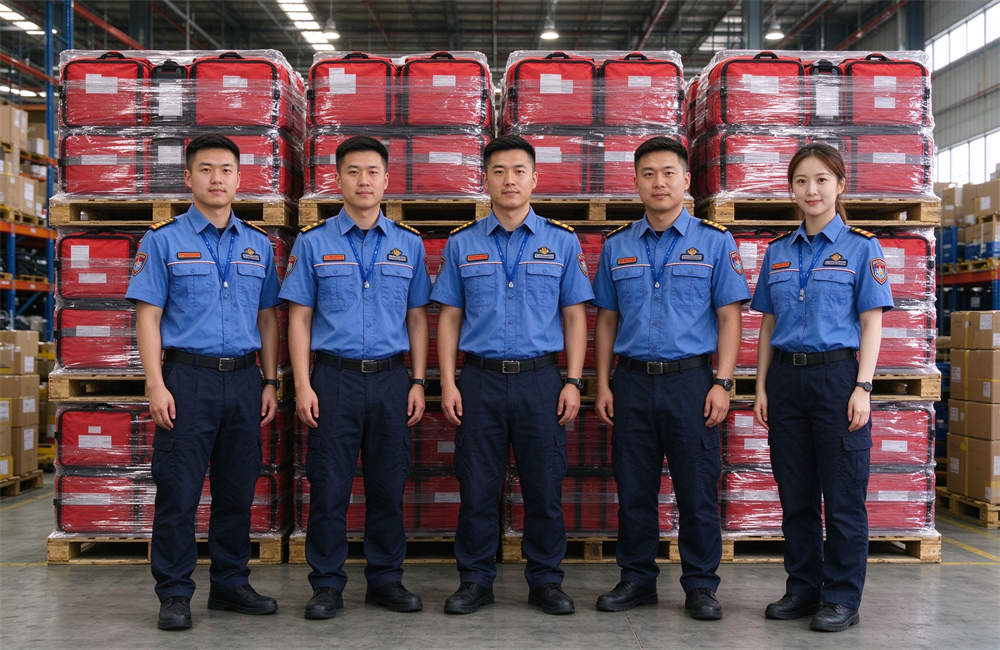
Our China factory team handles mixed pallet orders and ships to any port worldwide.
Tell us how many people you serve, how long outages last in your region, and what gear you already stock, and we will send you a customized list with pricing, lead time, and free sample availability. We work with shelters, senior care facilities, school districts, and relief NGOs worldwide.
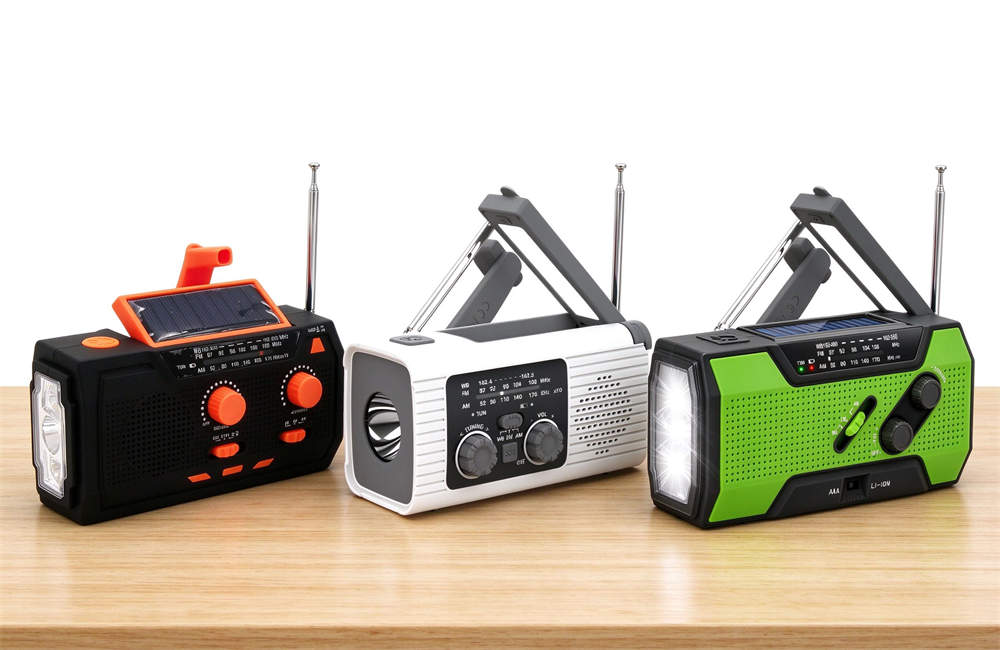
Multiple color and style options available—black, orange, and army green—all with the same reliable specs for bulk orders.
We recommend 30 10000mAh power banks. Staff keep 10 charged and ready, and the other 20 are handed out to residents who need to charge phones or medical devices. Add 10 extra if your shelter has senior residents who use CPAP machines.
For emergency use, yes. A hand crank radio does not need batteries, so it works even after 3 years in a storage closet. You cannot listen to it for 12 hours straight, but you can get 10 minutes of emergency updates every hour, which is all you need during an outage.
Order a sample, charge it fully, then count how many times it charges your phone. A real 10000mAh bank charges an iPhone 4 times. If it only charges 2 times, it is fake. We include a test report with every bulk order, so you do not have to test every unit yourself.
Radios and headlamps work for 5+ years. Power banks hold 80% of their capacity after 18 months on the shelf, and should be replaced every 3 years. Solar panels last 10+ years. We recommend testing all gear once a year, and cycling power banks through a full charge/discharge cycle.

Every power bank is tested at 1A discharge before shipment—we provide a test report with every bulk order.
Yes, we print logos on radios, headlamps, and power banks, in one or two colors. Minimum order for logo printing is 100 units per item, and it adds 10 days to lead time. Logo-printed gear stays with your organization during mutual aid responses.
Our standard MOQ is 500 units per product for mixed pallet orders. For smaller pilot orders, we can work with 100 units per item with slightly higher unit pricing. Many shelters start with a 100-unit pilot order, test the gear through one storm season, then scale up.
Our 20000mAh units have a 12V DC output, which works with most standard CPAP machines. Always check your CPAP machine's power requirements before ordering—some require a specific barrel connector, and we can supply the right adapter. A full charge runs a CPAP machine for about 2 nights.
Yes, we specialize in mixed pallet orders. You can put radios, headlamps, power banks, blankets, and can openers all on one pallet, as long as the total order reaches 500 units. This saves you on shipping costs and makes warehouse receiving easier, since you only have one pallet to unpack instead of multiple separate shipments.
Yes, we offer custom polybag packaging, branded boxes, and custom labels with your organization's logo. This is useful for mutual aid responses, where multiple agencies are distributing gear and you need to track which units belong to whom. Custom packaging adds 5-7 days to lead time and requires a minimum order of 200 units per item.
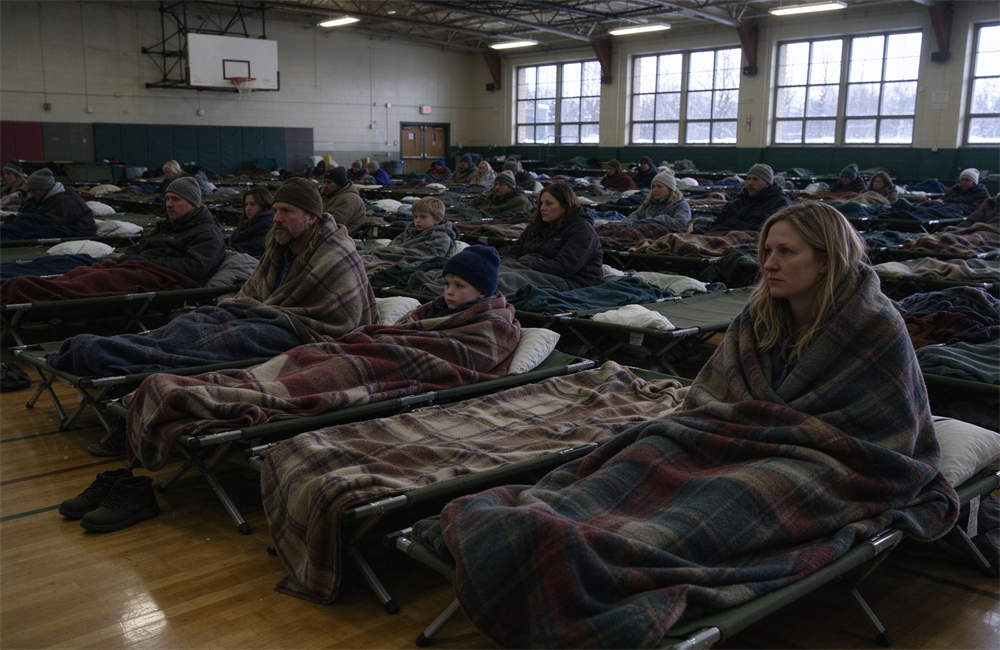
We also supply emergency wool blankets, sleeping bags, and folding cots—one-stop shop for all shelter supplies.
Pautan Mesra :
hak cipta © Custom Disaster - Relief Bedding: Tents, Sleeping Bags, Blankets Hak cipta terpelihara
pasukan profesional untuk perkhidmatan !