Kategori
A signed sample is not enough if nobody can explain exactly what the signature approved. Bulk disputes often begin when one team approved appearance, another assumed packing was included, and production treated the sample as permission to change an undocumented field. Sample approval must be a versioned record, not a photograph with an approval message.
A sample can pass on the desk and still fail at receiving when its identity, artwork, packing, or allowed changes were never locked. The approval record must therefore control the handoff from one sample to the bulk order. For institutional and relief buyers, a sample approval checklist should turn one approved sample into a repeatable purchasing record: visible construction, specification wording, packing, label files, document requirements, and inspection criteria must all be clear before bulk production is released.
This guide shares standard industry practice from 20 years of emergency textile production. Most sample-related disputes are not intentional changes, but simple misalignment on exactly what was approved, and what normal mass production tolerances apply. For bulk quality inspection after production, see our bulk blanket inspection guide.
If your team asks what should buyers confirm before a large relief blankets order, the practical answer is this: approve the sample only after the product details, written specification, packing plan, label artwork, required documents, and inspection method are aligned in writing.
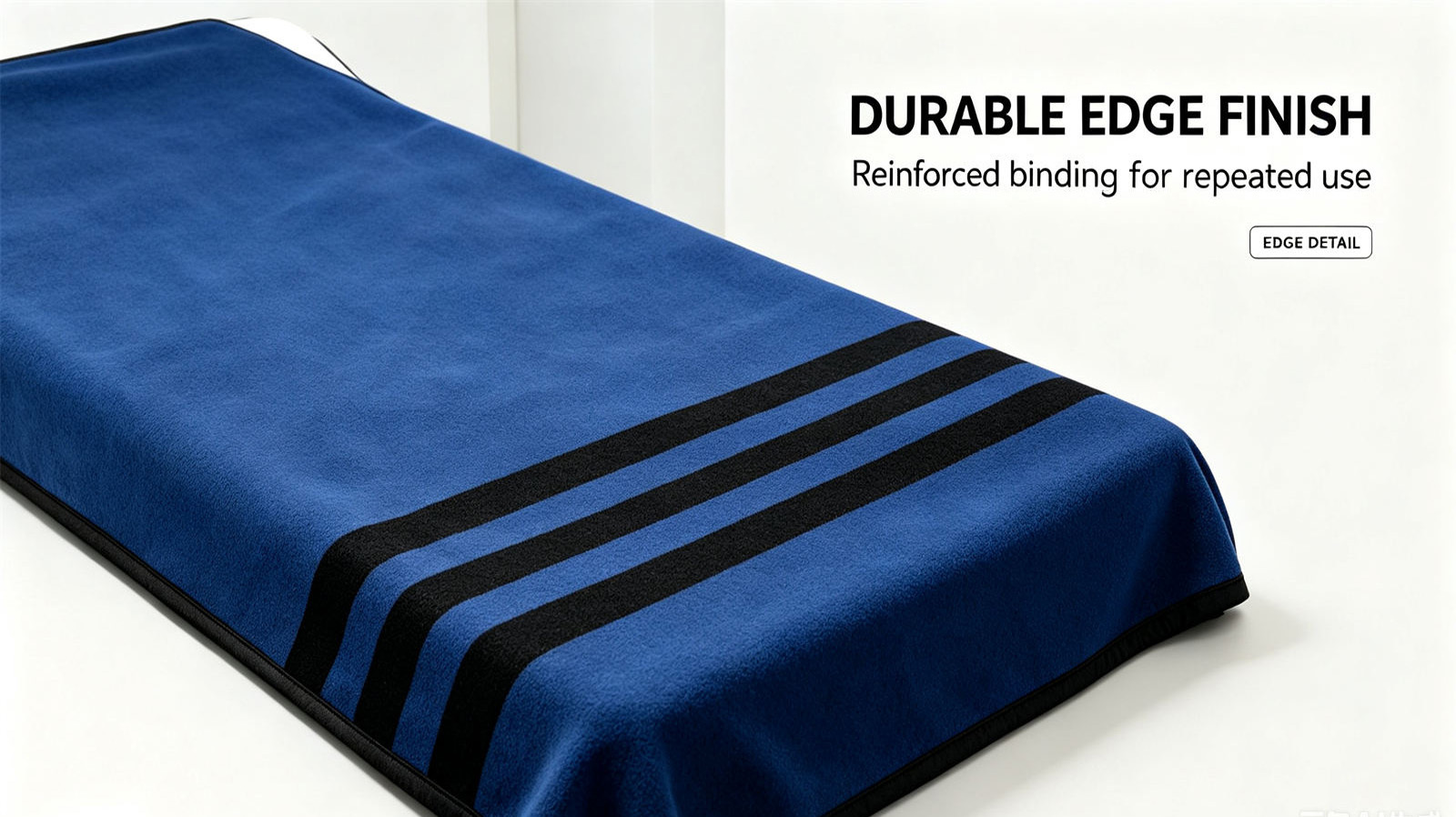
The approved sample is not only a hand-feel reference. It should become the control record for color, stripe position, edge binding, label placement, folding method, and the specification fields not yet recorded in writing.
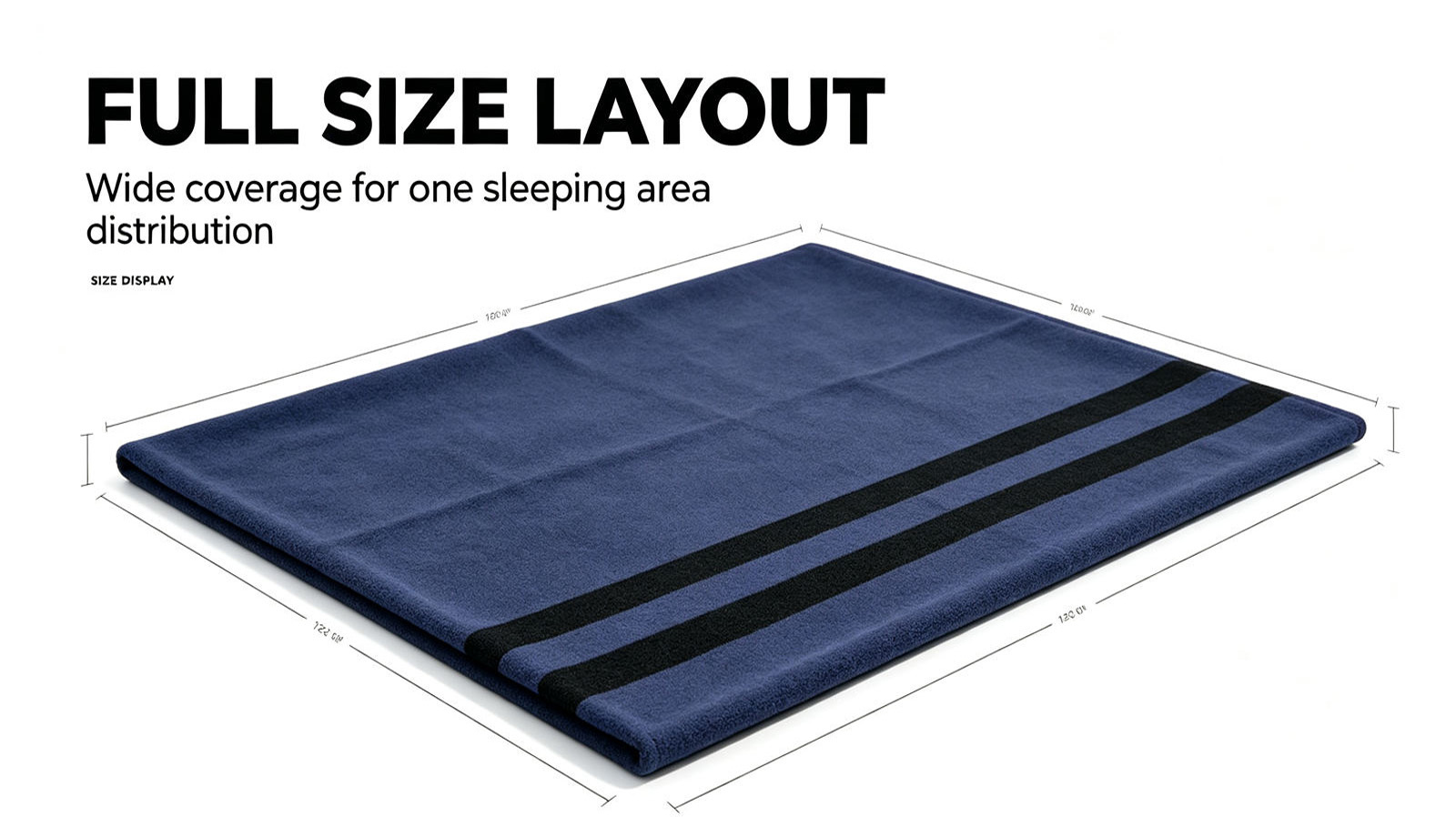
Do not approve a sample with 'handfeel accepted' alone. Lock the sample ID, composition wording, finished dimensions, piece weight or GSM, color reference, edge, label artwork, fold, and packing revision. Relief, institutional, reserve, and camp blanket product lines may use different sizes, compositions, constructions, and packing. Approve the complete baseline for the selected product instead of mixing configurations.
Sample approval should also reflect who will use the record. Government and NGO projects often need a file that can survive tender clarification, production handoff, inspection, and destination receiving. Distributors and private-label buyers need artwork, color, packing, and reorder identity to remain stable. The sample itself may be identical, but the approval record is not: each buyer role needs different signatories, document fields, and change triggers. Defining those users before approval prevents a technically acceptable sample from becoming an incomplete bulk-order baseline.
Always use clear version control for samples: mark revisions V1, V2, V3 with date and confirmer name. Every change creates a new version, with old versions clearly marked "superseded" but retained for traceability. For all orders, prepare at least two identical sealed samples: one held by the buyer, one held by the factory; for tender or third-party inspected orders, a third sealed sample can be held by the inspection agency as neutral reference. All sealed samples should be signed by both parties and sealed in clear plastic bags to avoid tampering.
Assign a sample code and connect it to quotation version, product description, colour, date, supplier and intended order. Measure rather than describe fields such as dimensions. Photograph overall appearance, edge, label and packing. If a field is not reviewed, mark it outside the approval scope instead of leaving silence that different teams interpret differently.
For measurements: condition samples for 24 hours at standard temperature and humidity before testing GSM, compare colors in natural daylight rather than factory fluorescent lighting, and take photos from multiple angles to avoid screen color distortion.
A golden sample shows one result. Production still needs the allowed range. Define which variations are acceptable for dimensions, shade, visible construction, labels and packing. The method matters as much as the limit: measurement points, conditioning and comparison lighting can change the result. Without a method, a tolerance is difficult to enforce.
Standard textile industry tolerances for blankets: GSM ±5-7% by fabric weight, finished size ±3cm, color difference within half a grade, stitch count 8-10 per inch. These are normal mass production limits, not exceptions.
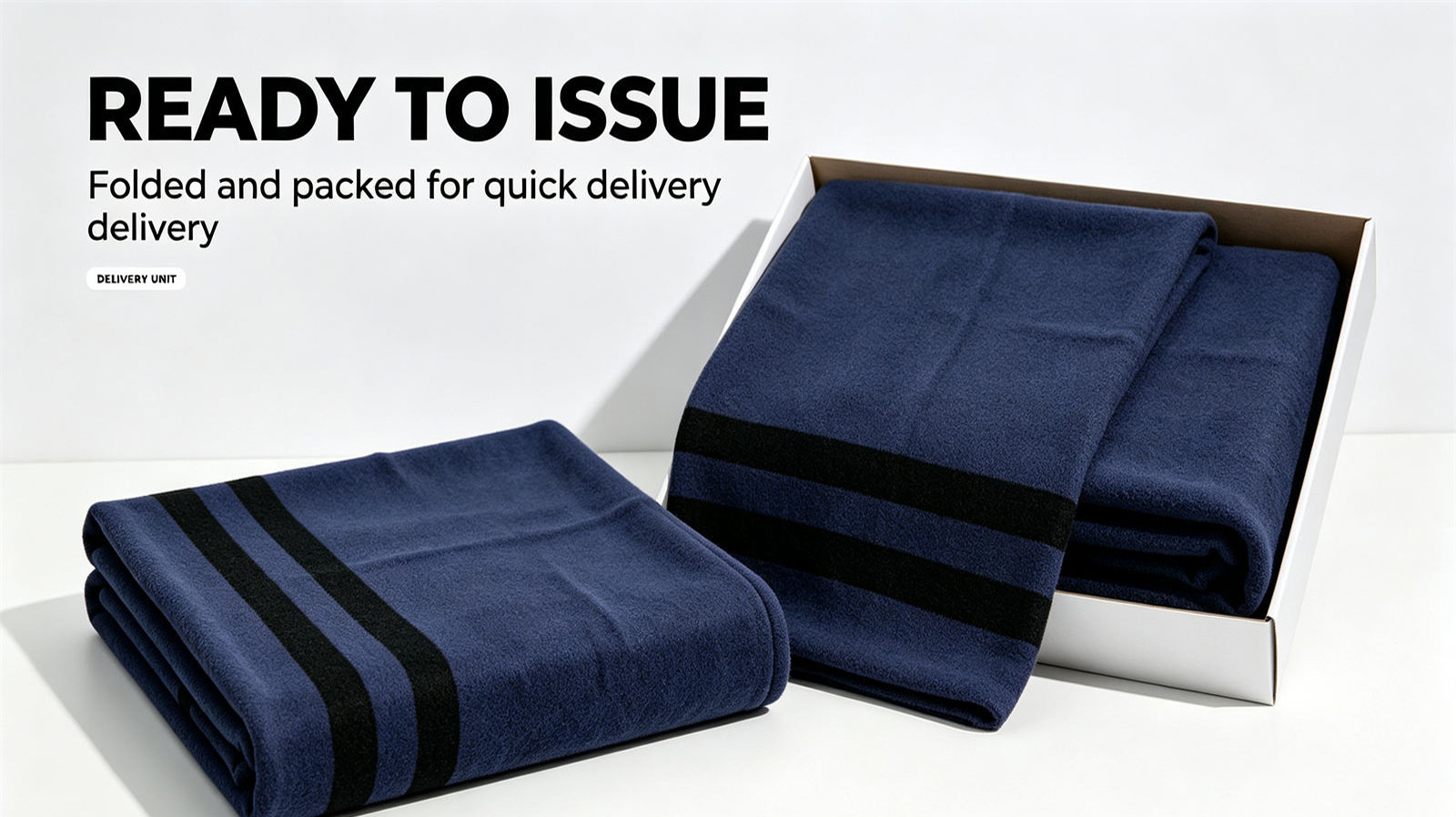
Imagine the blanket matches the approved surface and dimensions, but the carton quantity and label language differ from the receiving plan. Product-only approval cannot solve the warehouse problem. Add separate sign-off blocks for product, label, unit pack, carton and documents, with an owner for each. Approval to start production occurs only when every required block is closed or an exception is authorized.
Read the table as a version-control record: every approval field needs an owner, a named baseline, an allowed-change rule, and a trigger for renewed approval.
Decision field
What closes the decision
Product
Dimensions, material wording, construction, colour
Identification
Label content, language, barcode, position
Packing
Fold, unit pack, carton quantity, carton marks
Release
Approvers, open exceptions, final version
▶ The core of institutional bulk purchasing lies in strict implementation of technical standards and Continuation stable supply capacity. We provide large-volume wholesale supply of emergency relief blankets for government material stockpiles, prison accommodation, military camps and other scenarios, following project technical standards throughout the entire process. For a systematic understanding of institutional bulk purchasing key points, please refer to our article *Emergency Disaster Relief Blankets | For Government Stockpiles, Correctional Facility Blankets & Military Camps – Bulk Wholesale Supply*.
We can coordinate sample approval with logo, color, label, and packing customization in one revision record and return a difference list before production. MOQ, cost, and timing remain subject to product, quantity, and process confirmation.
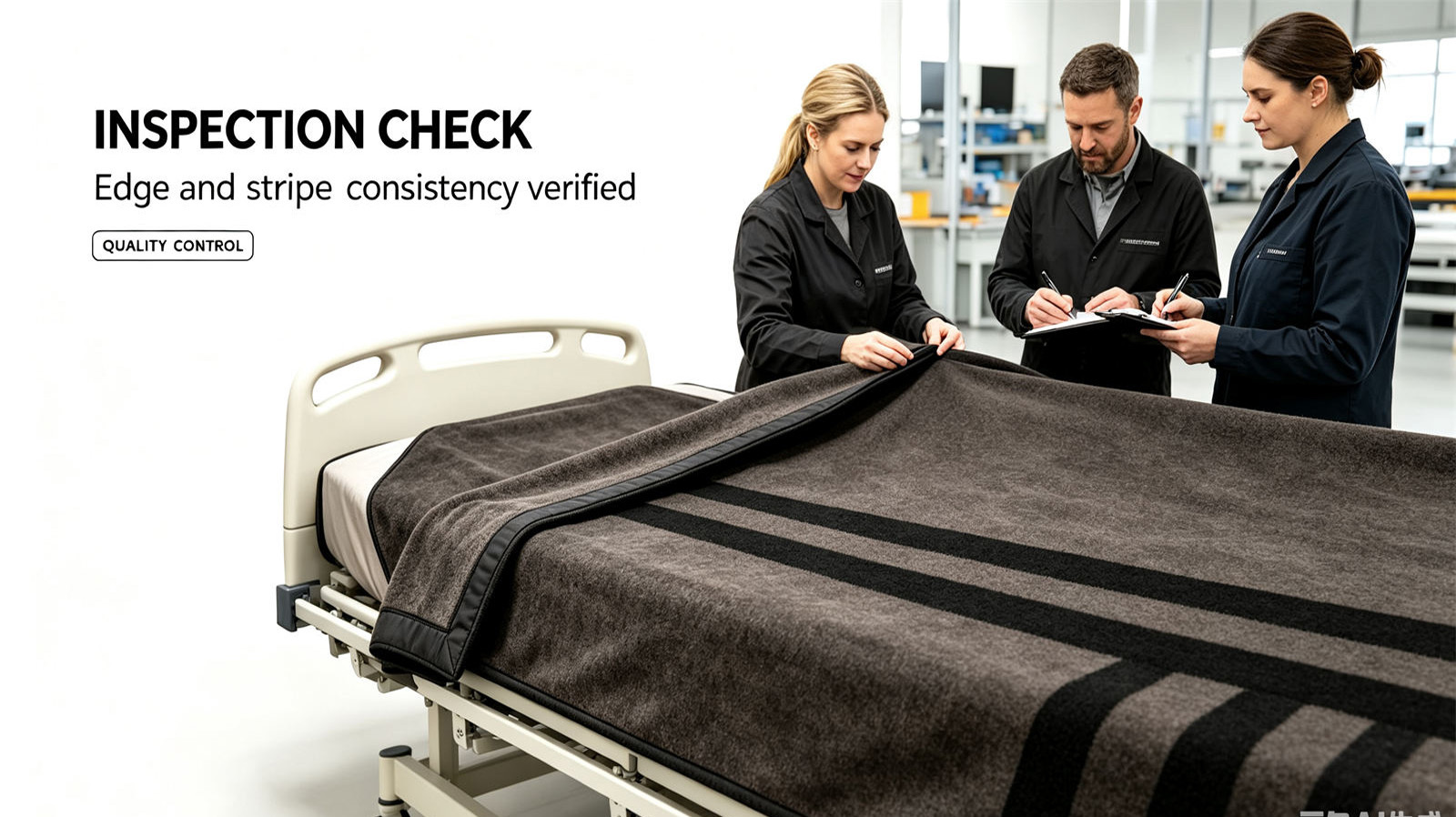
Assign approve commercial scope and the final specification. The user or operations team may approve handling and care inputs. Brand or project staff may approve artwork and language. Receiving may approve carton identity and counting fields. A single signature marked 'sample approved' hides these differences. Use one record with separate owners, dates, and open items so that production is not released while label, packing, document, or destination questions remain unresolved. Where one person holds several roles, the fields should still be signed separately because later changes affect different parts of the order.
Do not mix approval across different products or specifications. One sealed sample applies only to the exact product, weight, color and version it represents; do not apply approval for one style to a different style, or one color to other colors. For multi-color orders, seal a separate sample for every color, do not rely on photos for color matching.
Institutional buyers can review the institutional duty blanket and compare related emergency relief blankets before requesting a quotation.
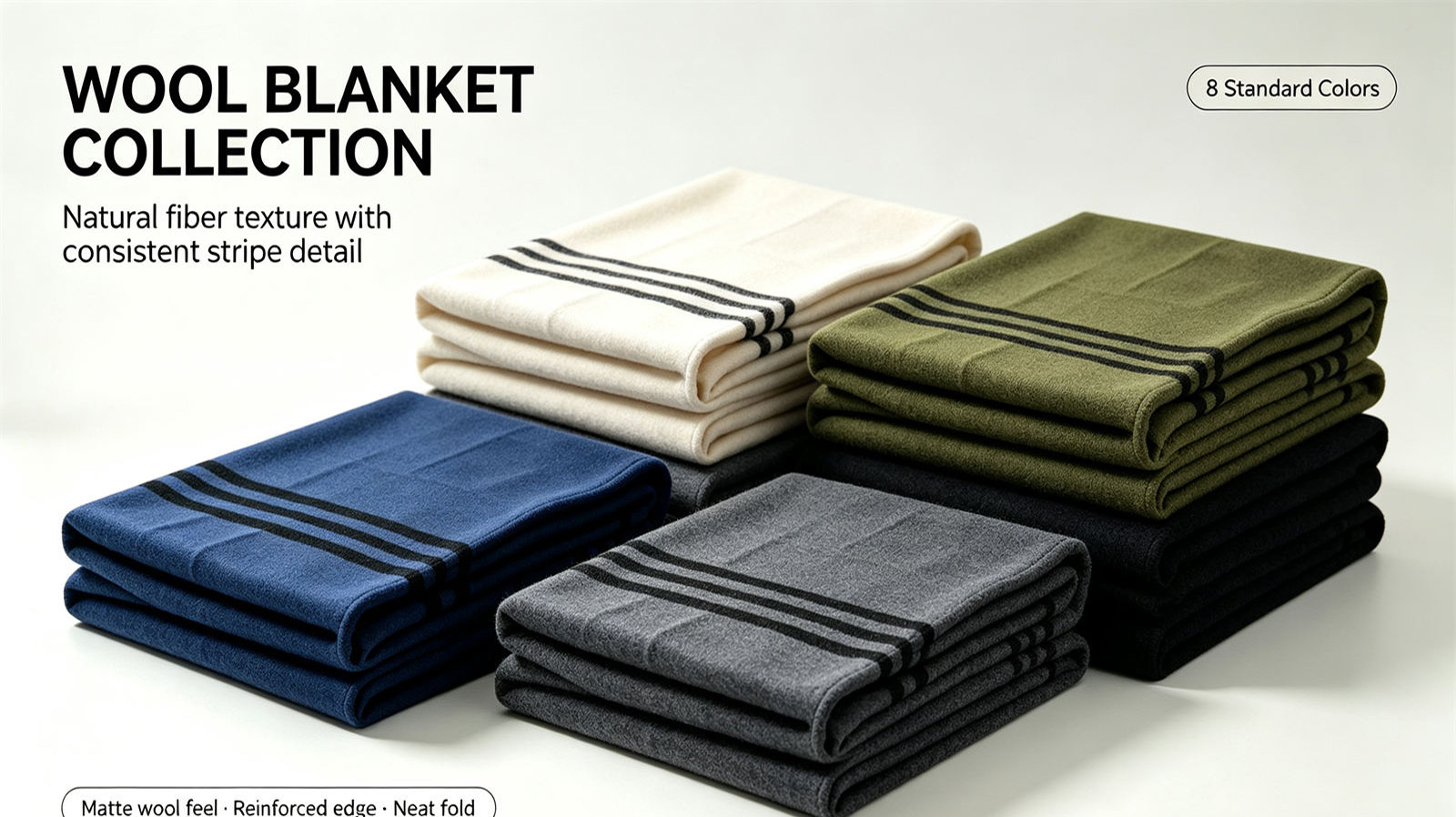
Visible evidence supports a deep blue or royal blue blanket surface, black transverse stripes, gray edge binding or overlock finishing, folded presentation, and hangtag position. Material ratio, GSM, size, thermal level, antistatic performance, test reports, and allocation claims must be confirmed by project files.
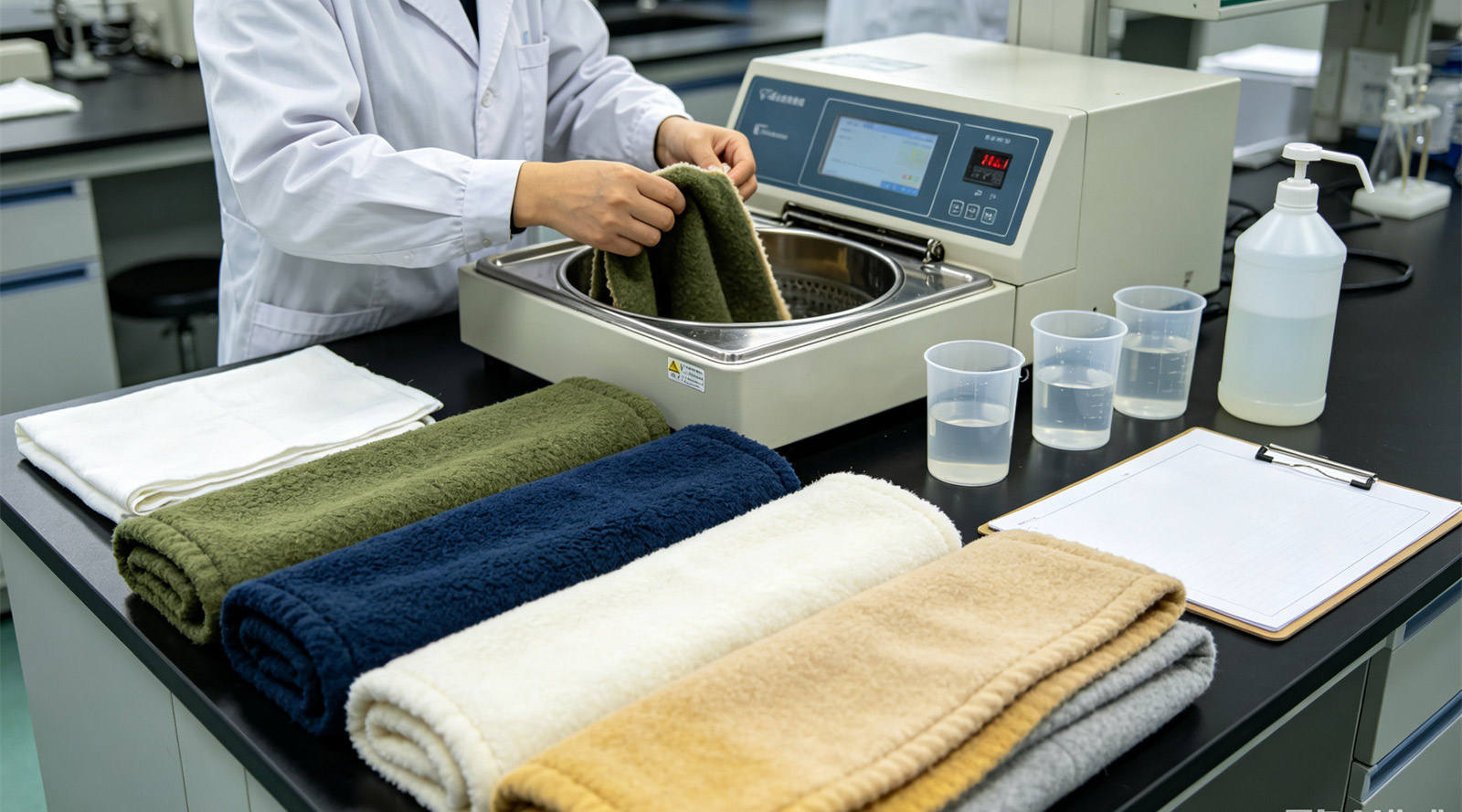
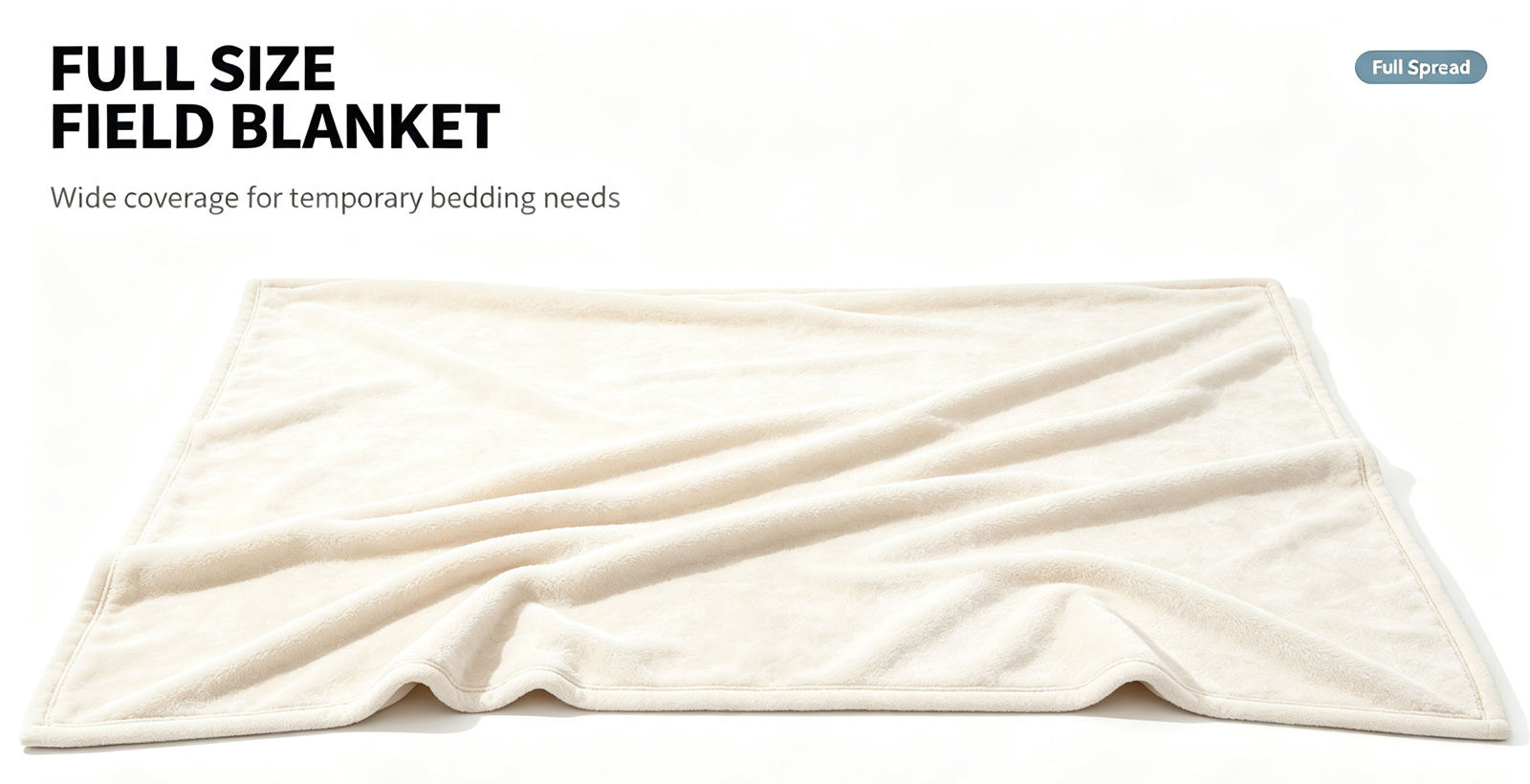
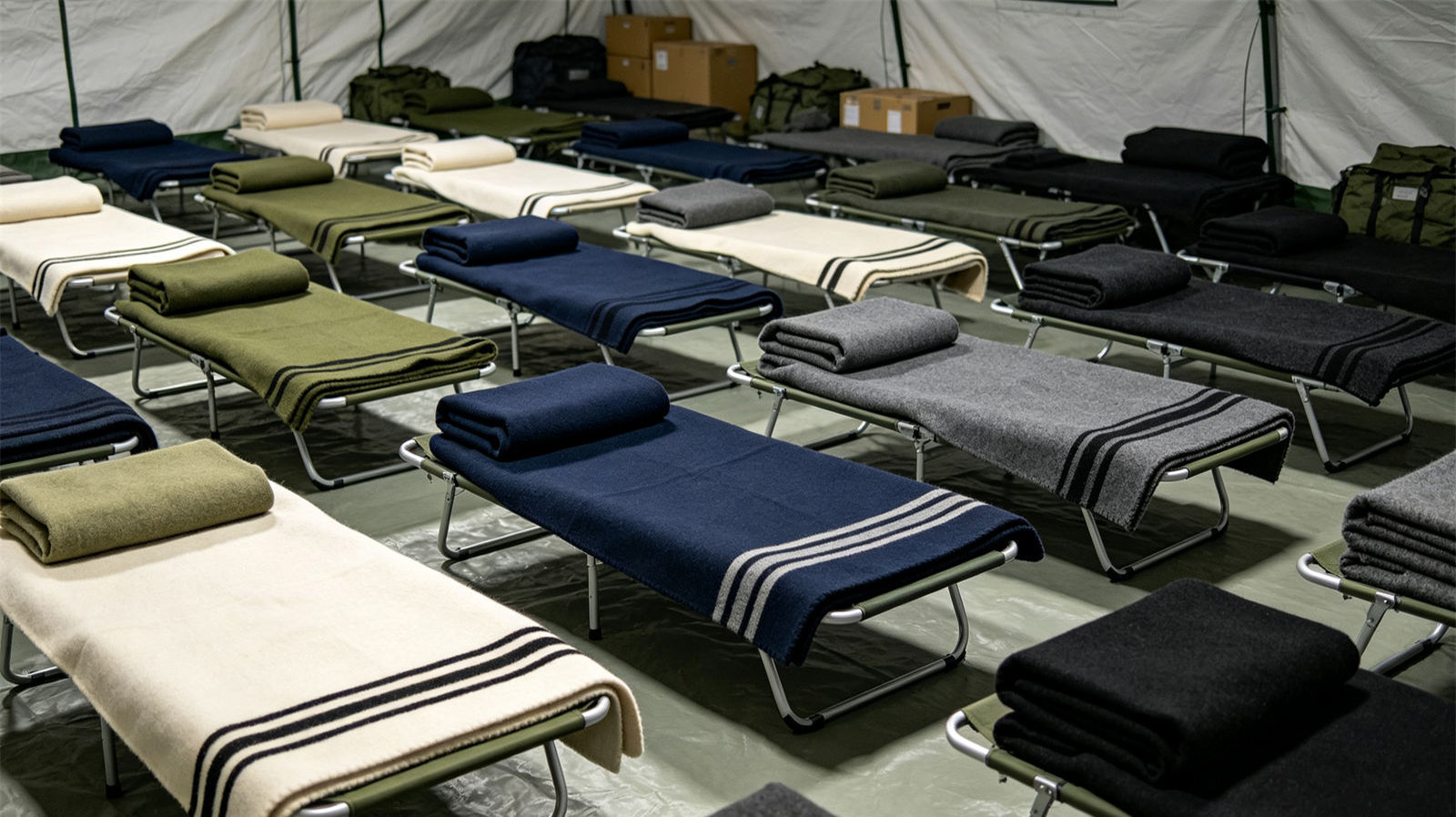
This option supports relief stockpile and temporary shelter review where buyers need color, plush surface, folding form, and edge treatment checked before bulk quote discussion. Confirm material ratio, carton data, required test reports, MOQ, lead time, and stock status in the written quotation and order scope.
This option is useful when the buyer needs a field-oriented comparison path, with visible deep green surface direction, edge finish method, label position, folding form, and plush texture. Final composition, weight range, folded size, and document requirements remain project-confirmation items.
Translate the approved sample into bulk inspection fields. Name the tool, sample quantity, tolerance, and action to take if a check fails. A change in material source, composition, color, label, or packing should trigger review of affected fields rather than a vague 'same as previous order' instruction.
Many misunderstandings come from mixing up different sample types. These are the standard terms used across the industry:
An emergency blanket sample approval process should be written as a sequence, not handled as scattered messages. The following sequence keeps the sample, quotation, production, and inspection records aligned.
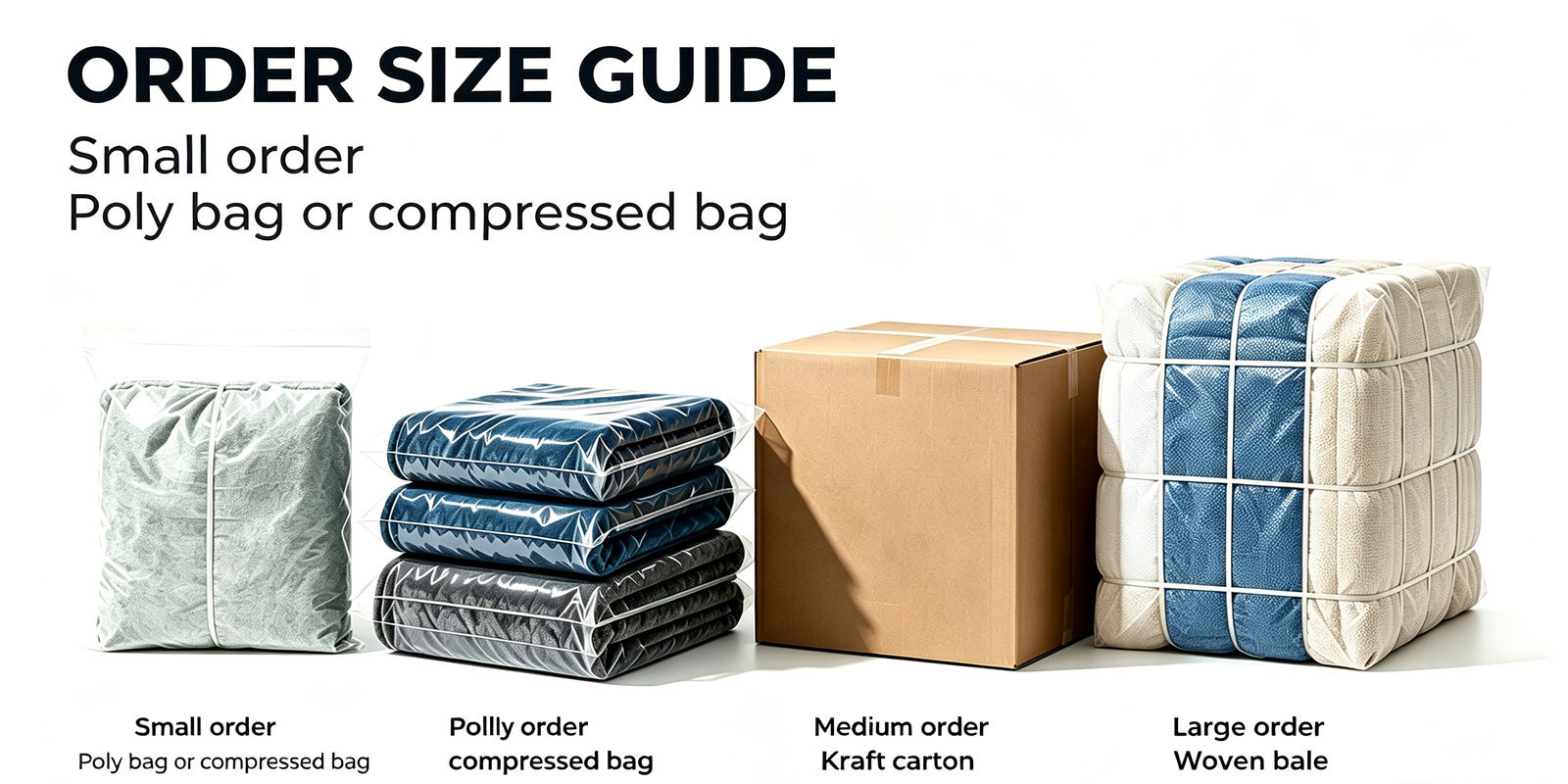
| Step | Buyer action | Supplier confirmation |
|---|---|---|
| 1. Inquiry | Send buyer type, use scenario, quantity range, target market, and expected blanket product line. | Confirm suitable product path and whether a standard or customized review is needed. |
| 2. Sample request | Request the selected sample and list the appearance points to review. | Confirm sample availability and which details are for reference only until written specification approval. |
| 3. Specification lock | Confirm product name, material statement, size field, weight or GSM field, color, edge finish method, and label wording. | Prepare a written specification for quotation and production reference. |
| 4. Packing and label approval | Check folding method, unit packing, carton mark, label file, language, barcode, and project code if required. | Confirm what can be supplied, what needs artwork approval, and what remains to be confirmed. |
| 5. Quotation scope | Review price based on the confirmed specification, packing, quantity, and document requirements. | Confirm commercial terms only after scope is clear. Avoid assuming MOQ, lead time, or carton data. |
| 6. Approval to start production | Approve final wording and sample reference before bulk production starts. | Use the approved record to guide material, color, label, packing, and receiving checks. |
| 7. Inspection preparation | Define inspection points, sample comparison method, defect categories, carton mark checks, and photo evidence needs. | Prepare the inspection checklist and required production records. |
| 8. Shipment document handover | Review packing list, invoice, label photos, carton photos, and any agreed document before shipment. | Provide document files according to the confirmed quotation scope. |
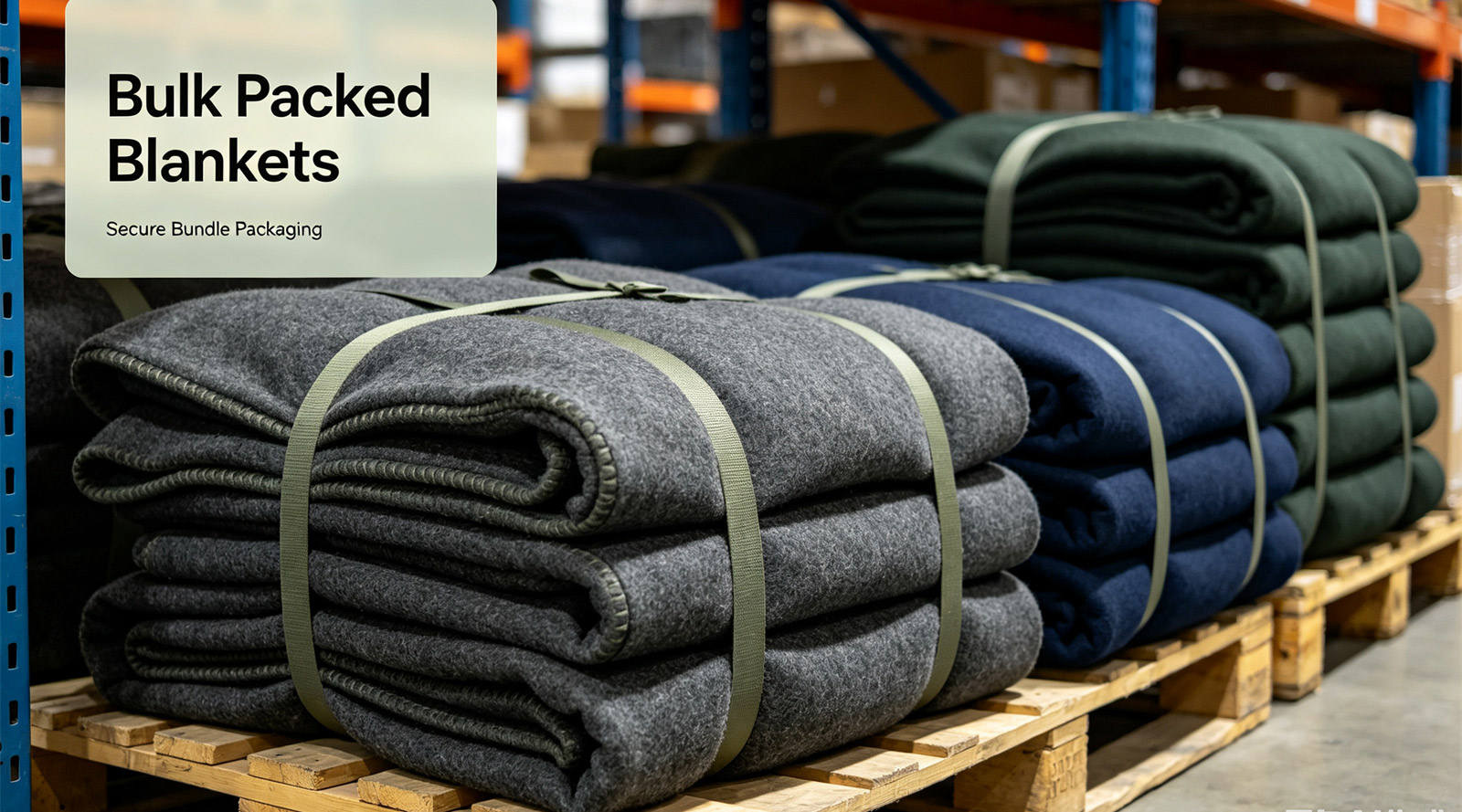
The supplier response should connect approval to scalable execution. YRF's production base and equipment support medium- and large-volume project planning, while the actual schedule remains tied to the approved configuration, order quantity, and current production plan. Certification, inspection, label, packing, and trade-document requirements can be placed in the same handoff record. This lets production capacity solve the right problem: repeating the approved product and project files at order scale, rather than merely producing a large quantity quickly.
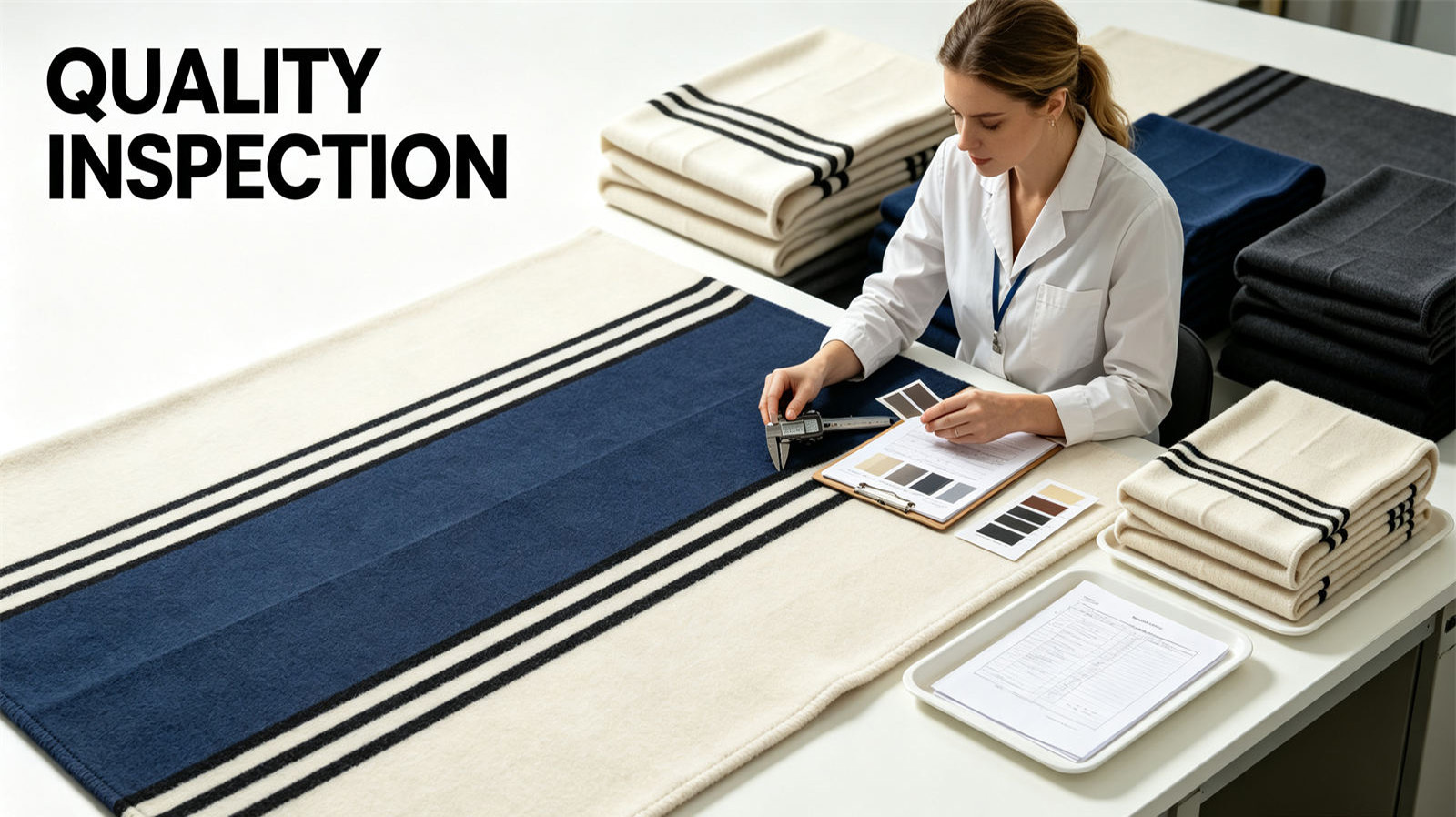
Define the change route before bulk production. A color adjustment may require a new physical reference and image set. A material-source or composition change may reopen the material statement and applicable documents. A label-language change may affect artwork, carton marks, and destination allocation. A packing change may affect carton data, freight planning, and receiving. The supplier should return an impact list showing which approved fields remain valid and which require renewed approval. This is faster and safer than repeating the entire sample process or accepting a blanket statement that the revised sample is otherwise unchanged.
Send the sample ID, quotation revision, open approval fields, artwork and packing versions, plus the people responsible for final approval.
Standard samples are 30-50 USD per piece, custom samples quoted separately based on complexity; sample fee is fully deductible for orders over 10,000 pieces or total value over 50,000 USD. Standard sample lead time is 3-5 working days for existing styles, 7-10 days for custom designs.
No. Photos can support visible evidence such as color direction, edge binding, stripe placement, folding form, hangtag position, and surface texture. Photos cannot prove material ratio, GSM, size, test results, or batch consistency.
Logo, emblem, barcode, project code, or restricted wording should be approved in artwork before production. If the buyer needs a specific label format, language, or carton mark, it should be included in the quotation scope and sample approval file.
Can sample approval confirm MOQ or lead time?
No. Sample approval confirms product and packing direction. MOQ, production schedule, carton data, loading estimate, payment terms, and shipment plan must be confirmed separately after quantity and quotation scope are clear.
Who should sign a blanket sample approval record?
The approvers should represent the procurement, user, or receiving requirements relevant to the project. Their responsibilities and approval dates must be clear.
Should a sample receive an identity number before dispatch?
Yes. Connect the sample number to the quotation, specification, color, packing method, and later revision records so versions cannot be mixed.
May the supplier change a material source after sample approval?
Not by default. Any change that may affect the agreed specification, appearance, packing, or document scope should be declared and reviewed before production.
Can one approved sample prove consistency for the full order?
It can establish the approval reference, but it cannot prove the entire batch. The purchase documents should also define bulk sampling, measurement, and deviation handling.
How should compression marks caused by sample transport be assessed?
Record the arrival condition and recovery method, then separate temporary transport compression from a structure, dimension, or packing problem instead of relying on subjective feel.
How should a revised sample be controlled after approval?
Keep the old and new revisions, changed fields, approver, and effective orders. Mark the old version as inactive while preserving traceability.
Should higher GSM always be preferred?
Not automatically. For relief and institutional procurement, weight should be checked together with warmth requirement, packing volume, warehouse handling, freight cost, and distribution method. The final GSM or finished weight should come from the approved specification and sample record.
What is the difference between confirmation sample, pre-production sample and shipping sample?
The confirmation (sealed) sample is the final approved reference signed before production. Pre-production sample is made from actual bulk fabric before full production starts, to confirm bulk material matches. Shipping sample is pulled directly from finished bulk before shipment, to show the actual goods being delivered. Each serves a different purpose.
How long does blanket sampling usually take?
Standard existing styles take 3-5 working days to produce. Custom designs, custom colors or special finishes take 7-10 working days. International shipping time is additional, depending on destination and courier. Always allow enough sampling time in your project schedule.
Who pays for blanket samples, and is sample fee deductible?
Standard industry practice is buyers pay for sample and courier cost for initial samples. For most suppliers, sample fee is fully deductible from the bulk order if the order meets minimum quantity or value requirements. Always confirm deduction terms in writing before ordering samples.
How long should sealed samples be kept?
Keep sealed samples for at least 30 days after delivery, or until the next repeat order, whichever is longer. For government or tender orders, retain samples for the full record retention period, usually 2-3 years. Store samples away from sunlight and moisture to keep them accurate for comparison.
Continue with the overview, product option, application plan, and closely related procurement guide for this decision.
Compare blanket product lines, application routes and related procurement resources.
 |
 |
Emergency Relief Reserve Blanket for Institutional Stockpiles and Bulk DistributionReview product specifications, configuration options and order confirmation points. |
Institutional Standby Bedding Procurement for Duty Rest and Reserve ProgramsReview selection, packing and supply planning for this procurement scenario. |
▶ [Military‑quality wool blanket, insect‑proof, moisture‑proof, for victims] Click the linked title to get quotation support and shipping solutions for large relief orders.
✅ Factory video link (YouTube): https://x.c1ns.cn/zVNIU
✅ Facebook homepage: https://a.c1ns.cn/SjJla
|
Access our full product document |
Quick real‑time chat for urgent project questions |
 |
 |
|
Get full‑range product specs & package solutions in PDF |
Connect with us for instant project support |
Pautan Mesra :
hak cipta © Custom Disaster - Relief Bedding: Tents, Sleeping Bags, Blankets Hak cipta terpelihara
pasukan profesional untuk perkhidmatan !